

Ashwagandha for Dogs and Cats: Evidence, Uses, and Crucial Safety Facts
Ashwagandha for Dogs and Cats: Evidence, Uses, and Crucial Safety Facts
Explore the LivHerbals ingredient profile for Ashwagandha (Withania somnifera). Learn about its traditional adaptogenic uses, pet-specific research, and vital safety facts.
Understanding Ashwagandha in Pet Wellness
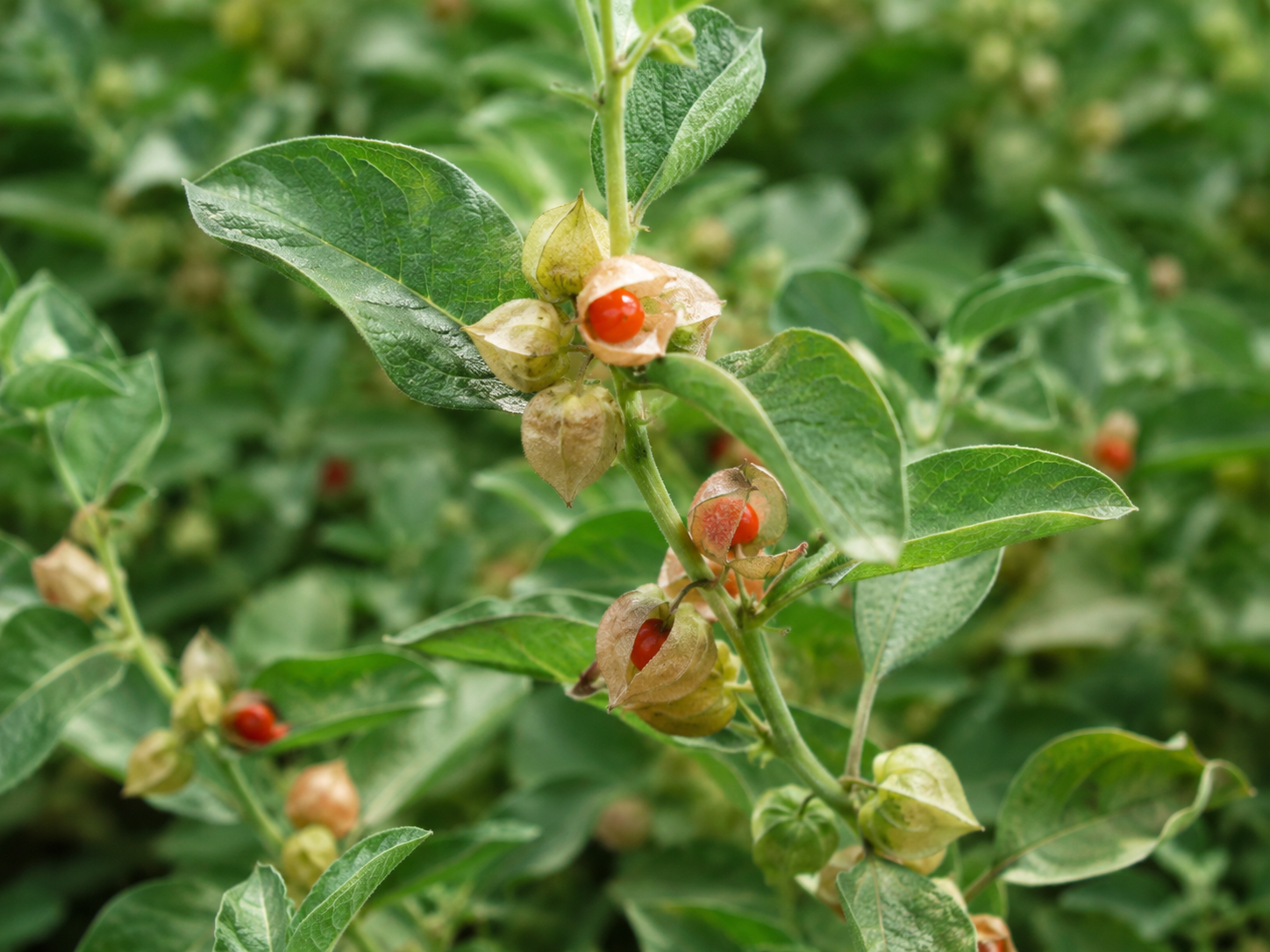
Ashwagandha (Withania somnifera) is a deeply respected traditional root native to India, the Middle East, and parts of Africa, where it has been cultivated, prized, and used in Ayurvedic medicine for over 3,000 years. In modern pet herbal wellness, Ashwagandha is primarily utilized to support the nervous system, encourage physical vitality, and maintain a calm, settled demeanor during times of chronic or ongoing stress. Pet parents may encounter this potent botanical in carefully formulated wellness blends designed to help dogs and cats navigate specific long-term challenges such as the natural aging process, changes in routine, or environmental stressors.
While Ashwagandha offers meaningful support for the nervous and endocrine systems, transparency matters when it comes to your pet's wellness. Ashwagandha carries specific safety warnings regarding thyroid and immune system activity. Extensive reviews highlight its potential to stimulate thyroid function and modulate the immune system, meaning it is an herb that commands respect and caution. For this reason, Ashwagandha should never be used casually, in high doses, or without direct veterinary guidance, particularly in pets with pre-existing health concerns. It is not a quick-fix supplement, but rather a foundational botanical tool. By understanding both its balancing abilities and its necessary safety parameters, pet parents can make informed, empowered decisions to support their pet's long-term well-being under the careful supervision of their trusted veterinarian.
Ingredient Identification
- Common name: Ashwagandha, Indian Ginseng
- Botanical name: Withania somnifera
- Plant family: Solanaceae (Nightshade family)
- Plant part used: Dried root
- Other common names: Winter cherry, smell of the horse
- Native range: India, the Middle East, and parts of North Africa
- Common growing regions: Arid and semi-arid climates
- Common preparation forms: Standardized extracts, tinctures, and dried powders
- Main active constituents: Withanolides (steroidal lactones), including withaferin A and withanolide D, and alkaloids
Associated Pet Wellness Categories
-
Calm and Mood Support: Ashwagandha is extensively studied for supporting normal nervous system function and a balanced stress response. It is often chosen when a pet needs help maintaining a calm disposition without the heavy, sedating effects of pharmaceutical alternatives. By interacting gently with the endocrine and nervous systems, it helps soothe long-term nervous tension, allowing dogs and cats to feel more grounded and adaptable in their environment. This makes it an important herbal ally for pets that struggle with changes in routine, busy households, or general worry.
-
Vitality Support: This herb is traditionally utilized for age-related cognitive and physical slowing rather than acute interventions. Whether a dog is experiencing mild confusion or a decrease in daily stamina, Ashwagandha provides targeted support to help maintain mental clarity and physical energy. It acts gradually to nourish the body's reserves, allowing the aging pet to process their environment with greater focus and maintain a healthy, active lifestyle. By supporting the underlying foundational energy, Ashwagandha helps support vitality as pets move through different life stages.
-
Immune System Support: Ashwagandha is indirectly utilized in holistic contexts to support normal immune function. Because chronic stress and anxiety can often suppress a pet's natural defenses, Ashwagandha's adaptogenic properties help address the underlying stress burden on the body. It also has an immunomodulating effect, which herbalists believe helps regulate and support a healthy immune response, offering foundational physical resilience alongside emotional ease.
-
Comfort and Recovery Support: Ashwagandha is used traditionally for normal physical endurance and to support muscle recovery. Active or working animals experiencing physical strain often benefit from the root's restorative properties. Ashwagandha helps support the body's natural recovery processes after exertion, promoting an overall sense of physical vitality alongside mental relaxation. This dual-action support makes Ashwagandha particularly useful for highly active dogs whose physical output requires restorative foundational care.
Common Pet Wellness Uses
-
Calm and Mood Support: Ashwagandha has a long, documented history of use as an adaptogenic botanical. In dogs, it is specifically utilized for chronic, low-grade environmental stress such as moving, introducing new family members, or generalized nervousness. For cats, it is sometimes carefully employed for environmental stress, though strict caution is required. Research in animal models and human trials demonstrates significant support for normal cortisol levels. The evidence level is considered strong for its general adaptogenic action, though emerging for pet-specific clinical trials.
-
Cognitive and Vitality Support: Ashwagandha is sometimes used in holistic veterinary practice for pets experiencing age-related cognitive changes. The evidence here is supported by traditional use and animal-based memory models, frequently cited in empirical clinical use and veterinary texts rather than formal, large-scale canine studies.
-
Physical Recovery: In holistic canine practice, Ashwagandha powder or extract is occasionally used to support working dogs, agility dogs, or pets recovering from periods of physical exhaustion, helping to maintain normal energy levels and stamina.

Best Known Herbal Actions
-
Adaptogen: An adaptogen is an herb that helps the body adapt to stress and supports normal homeostatic balance. As an adaptogen, Ashwagandha encourages resilience, acting like a thermostat for the body's stress response. If the nervous system is overactive, it helps calm it. If energy is depleted, it helps restore it. This action is both traditionally recognized and heavily studied.
-
Relaxing Nervine: A nervine is an herb that specifically supports, nourishes, or relaxes the nervous system. As a relaxing nervine, Ashwagandha encourages a calm, settled state without causing the drowsiness associated with heavy sedatives. It helps down-regulate an overactive nervous system, making it an excellent botanical ally for pets trapped in a cycle of worry or tension. Both traditional and studied.
-
Immunomodulator: Immunomodulators help support normal, balanced immune function. Ashwagandha encourages the immune system to respond appropriately to challenges, helping it to engage when necessary and rest when appropriate. This supportive action is leveraged to build resilience, though it means the herb must be used cautiously in pets with overactive immune systems.
Key Constituents and Why They Matter
The primary active compounds found in the Ashwagandha root are known as withanolides. The most significant of these include withaferin A and withanolide D. These constituents matter deeply because they are the compounds responsible for the plant's adaptogenic, stress-balancing, and immune-supporting properties. Research indicates that withanolides interact with the endocrine and nervous systems to promote resilience and protect cellular health. This balancing action is systemic, building gradually over time. This means Ashwagandha works to build a foundation of wellness, offering a unique herbal pathway to long-term vitality.
Western Herbalism Profile
In the tradition of Western herbalism, herbs are classified by their taste, energetics, and tissue affinities to determine how they will interact with the body. Ashwagandha is characterized by a slightly bitter, earthy, and sometimes pungent taste. Energetically, Western herbalists consider Ashwagandha to be warming in temperature and drying in nature. It has a pronounced tissue affinity for the nervous system, the endocrine system (specifically the adrenal glands), and the immune system.
Western herbalists have long indicated Ashwagandha for addressing nervous exhaustion, physical debility, poor stamina, and chronic stress, particularly conditions where prolonged tension has led to physical fatigue. It is viewed as an herb that rebuilds depleted energy and restores balance when the body is overwhelmed. It acts as an anchor, bringing stability back to an exhausted system and nourishing the body's reserves.
However, Western herbalists also maintain strong boundaries regarding its use. Because it is a member of the nightshade family and carries a warming, stimulating energy for certain endocrine functions, it is usually formulated carefully to ensure it does not overheat the body or aggravate existing inflammation. Because of its potent restorative properties, it is usually formulated as a foundational daily tonic for long-term use rather than a fast-acting intervention, designed to build resilience over time.
Traditional Chinese Medicine Profile
It is important to state clearly that Ashwagandha is not native to China and is not a classical herb found in the ancient Traditional Chinese Medicine (TCM) materia medica. Because it originates from India and the Middle East, it was not historically categorized by the early masters of Chinese herbalism. However, as global herbalism has expanded, modern TCM practitioners and holistic veterinarians who utilize TCM frameworks have evaluated Ashwagandha to understand how it behaves according to Chinese energetic principles.
Through a modern TCM lens, practitioners generally view Ashwagandha as having a warm, sweet, and slightly bitter flavor. It is believed to primarily enter the Kidney meridian, acting as a potent Yang tonic and Qi tonic. In TCM, Kidney Yang is the foundational fire and energy of the body. When a pet is depleted, lethargic, or aging, their Kidney Yang is considered deficient. Ashwagandha’s profound ability to restore vitality is viewed in TCM as nourishing this vital fire and rebuilding the foundational strength of the animal.
Furthermore, Ashwagandha's grounding effects are seen as calming the Shen (spirit). In TCM, a disturbed Shen manifests as anxiety, restlessness, and fear. By nourishing the body's foundational energy, Ashwagandha helps ground the spirit. Despite these highly beneficial actions, modern TCM practitioners strictly advise against its use in pets with pronounced Yin deficiency or Heat conditions, recognizing that its warm nature could exacerbate underlying heat, creating imbalance rather than resolving it.
Ayurvedic Medicine Profile
Ashwagandha is a foundational plant native to India and is a classical pillar of the Ayurvedic pharmacopeia. It appears extensively in ancient Ayurvedic texts and is revered as a premier "Rasayana," or rejuvenating tonic. Modern Ayurvedic practitioners and holistic veterinarians rely on it heavily to understand how it affects the three doshas: Vata, Pitta, and Kapha.
From an Ayurvedic perspective, Ashwagandha is recognized for its bitter and astringent tastes (rasa), its heating energy (virya), and its sweet post-digestive effect (vipaka). Its primary doshic action is strongly pacifying to Vata. Vata dosha is governed by the elements of air and space, and it rules the nervous system. When Vata becomes aggravated (often due to aging, chronic stress, or trauma) it manifests as anxiety, weakness, weight loss, and restlessness. Ashwagandha’s grounding, heavy, and strengthening properties make it a powerful herb for subduing this excess Vata energy, nourishing depleted tissues and encouraging the body to settle.
However, Ayurvedic practitioners note that Ashwagandha must be used cautiously with Pitta dosha. Pitta is governed by fire and water, and it rules metabolism and inflammation. Because Ashwagandha is energetically heating, it can easily aggravate Pitta if used improperly, in high doses, or in pets with existing heat conditions. Therefore, an Ayurvedic approach would respectfully reserve Ashwagandha for Vata imbalances and vitality support while avoiding it entirely in animals with active inflammation or Pitta-driven metabolic issues.
Research Summary
It is important to acknowledge that double-blind, peer-reviewed clinical trials evaluating Ashwagandha directly in dogs and cats are currently limited, though emerging. However, the botanical is well-recognized in holistic veterinary manuals for supporting pets with chronic stress and age-related decline.
-
Animal Research: Studies in rodents demonstrate that Ashwagandha extracts induce significant improvements in stress tolerance, physical endurance, and memory retention, alongside a profound balancing effect on cortisol levels.
-
Human Research: Multiple placebo-controlled trials conclude Ashwagandha extract is effective for supporting individuals with chronic stress, occasional anxiety, and cognitive fatigue.
-
In Vitro Research: Laboratory studies have demonstrated that withanolides exhibit significant antioxidant and immune-modulating activity.
A significant gap remains in extensive species-specific pharmacokinetic data for pets. Human and rodent efficacy provides strong directional clues but does not definitively guarantee pet efficacy or safety without veterinary guidance.
What the Research Means for Dogs
For dogs, the most relevant wellness categories for Ashwagandha are vitality support and stress response. The strongest support for its use comes from the generalized adaptogenic effects observed in human and rodent models, as well as extensive traditional use. The weakest support lies in the lack of large-scale canine clinical trials validating exact, long-term dosages. Due to its potential to modulate the immune system, canine immune health must be evaluated. Ashwagandha can be a meaningful tool for chronic canine stress and vitality support, but strict veterinary oversight is necessary to ensure safety, particularly regarding thyroid and immune function.
What the Research Means for Cats
In cats, Ashwagandha's most relevant wellness categories are stress response and immune support. However, cats are uniquely prone to hyperthyroidism as they age. Because Ashwagandha has a known traditional and researched capacity to stimulate thyroid hormone production, the risks may be significantly magnified in felines. Evidence for its use is supported almost entirely by holistic veterinary texts rather than feline-specific safety trials, making a veterinarian's guidance absolutely essential before offering Ashwagandha to a cat.
Forms Used in Pet Products
-
Tincture/Glycerite: Liquid extracts allow for precise, drop-by-drop measuring, which is excellent for picky eaters when glycerin is used instead of alcohol.
-
Powder/Capsule: Used to deliver whole-root benefits or standardized percentages of withanolides. Ideal for mixing into wet food.
-
Topical: Not commonly used topically in pet applications.
-
Chews: Cold-pressed or baked chews are highly palatable and convenient for daily, long-term administration.
Safety Profile
Ashwagandha is a powerful adaptogen, and its general safety profile requires respect. It is associated with stimulating thyroid function and modulating the immune system.
-
Dogs: Generally well-tolerated, but should be monitored for mild gastrointestinal upset due to its nightshade family origins.
-
Cats: Extreme caution is required due to the high risk of feline hyperthyroidism and nightshade sensitivity.
-
Puppies, Kittens, Pregnant or Nursing Pets: Avoid entirely. It carries traditional abortifacient risks.
-
Pets with Thyroid or Autoimmune Concerns: Absolute contraindication. Do not use in pets with hyperthyroidism, lupus, or other immune-mediated diseases.
-
Possible Adverse Effects: Mild gastrointestinal upset, diarrhea, or unexpected changes in energy levels.
-
When to Stop Use: Immediately discontinue and consult a vet if the pet shows vomiting, severe diarrhea, rapid heart rate, or increased thirst and urination.
Please note: Before beginning any pet supplements, herbs, or nutritional changes, consult with your veterinarian first. This educational information is provided to help pet parents ask better questions and make informed decisions, but your veterinarian is the best partner for evaluating your pet’s individual health history, medications, risks, and needs. Always seek professional guidance to help protect the safety and well-being of your animal.
Contraindications
-
Pre-existing hyperthyroidism or elevated thyroid hormone levels.
-
Pregnancy and lactation.
-
Autoimmune diseases.
-
Known sensitivities or allergies to the nightshade (Solanaceae) family.
Drug and Supplement Interactions
-
Thyroid Medications: Ashwagandha may alter thyroid hormone levels, requiring careful monitoring if used concurrently with thyroid regulating drugs.
-
Immunosuppressants: Should never be used concurrently with corticosteroids or other immunosuppressive medications, as it may counteract their intended effects.
-
Sedatives and CNS Depressants: May potentiate the effects of barbiturates, benzodiazepines, and other calming agents.
-
Diabetes Medications: May lower blood sugar naturally, posing a theoretical risk of hypoglycemia if combined with insulin.
Dosage and Serving Context
Serving context depends heavily on the species, weight, individual endocrine health, and whether the product is a raw dried herb or a standardized withanolide extract. When reference ranges are used, veterinary botanical texts often provide dosing by weight (mg/kg) divided daily. For the safest experience, use this herb or any products containing this herb under the direct guidance of your veterinarian. Partnering with your vet helps remove the guesswork, protects your pet's unique health needs, and supports proper administration.
How This Ingredient Fits into BARC Formulas
At LivHerbals, ingredients like Ashwagandha are approached with care, respect for traditional use, and attention to pet-specific safety considerations. When an ingredient is used in a BARC formula, it is selected for a specific wellness purpose and balanced within the larger formula rather than treated as a standalone quick fix.
Ingredient Profile Summary
-
Best known for: Adaptogenic stress support and vitality support.
-
Most relevant pet wellness categories: Stress response, calm support, cognitive health.
-
Most relevant herbal actions: Adaptogen, relaxing nervine, immunomodulator.
-
Research strength: Strong in animal and human models; weak in clinical pet trials.
-
Main cautions: Ashwagandha is a meaningful botanical that commands respect. While it may support long-term vitality, it must be used correctly and can impact the thyroid. Please use this herb or products with this herb under the guidance of a veterinarian to support your pet's safety and well-being.
Pet Parent Takeaway
Ashwagandha is a traditionally revered botanical ally renowned for its ability to support resilience and ease the toll of chronic stress. When your dog or cat is navigating the natural aging process, changes in routine, or environmental stressors, Ashwagandha's adaptogenic abilities may provide steady support for their nervous and endocrine systems. While its benefits for emotional and physical vitality are significant in traditional herbalism, Ashwagandha is not an everyday supplement for every pet. To understand whether it is appropriate for your animal, use this herb or products containing this herb under the guidance of a veterinarian. By partnering with your vet, you take the right steps to support your pet’s wellness journey safely.
Disclaimer
This content is for educational purposes only and is not intended to diagnose, treat, cure, or prevent any disease. Always consult your veterinarian before starting any new supplement, herb, food, or wellness routine for your pet, especially if your pet is pregnant, nursing, taking medication, has a diagnosed condition, or is under veterinary care.
References
Pet-Specific Studies and Veterinary References
-
Wynn, S. G., & Fougère, B. J. (2007). Veterinary Herbal Medicine. Mosby Elsevier.
-
Basko, I. (2004). Fresh Plant Materia Medica.
Human and Animal Studies
-
Kulkarni, S. K., & Dhir, A. (2008). Withania somnifera: An Indian ginseng. Progress in Neuro-Psychopharmacology and Biological Psychiatry.
-
Singh, N., Bhalla, M., de Jager, P., & Gilca, M. (2011). An overview on ashwagandha: a Rasayana (rejuvenator) of Ayurveda. African Journal of Traditional, Complementary and Alternative Medicines.
Safety and Toxicology References
-
American Herbal Products Association (AHPA). Botanical Safety Handbook (2nd ed.).

Written by Angela Petersen
.%20Learn%20about%20its%20traditional%20adaptogenic%20uses...)