
Bladderwrack for Dogs and Cats: Glandular and Metabolic Health Support
Bladderwrack for Dogs and Cats: Ingredient Profile, Uses, and Safety
Explore this LivHerbals ingredient profile for Bladderwrack (Fucus vesiculosus). Learn about its traditional metabolic uses, pet-specific research, and key safety facts.
Understanding Bladderwrack in Pet Wellness
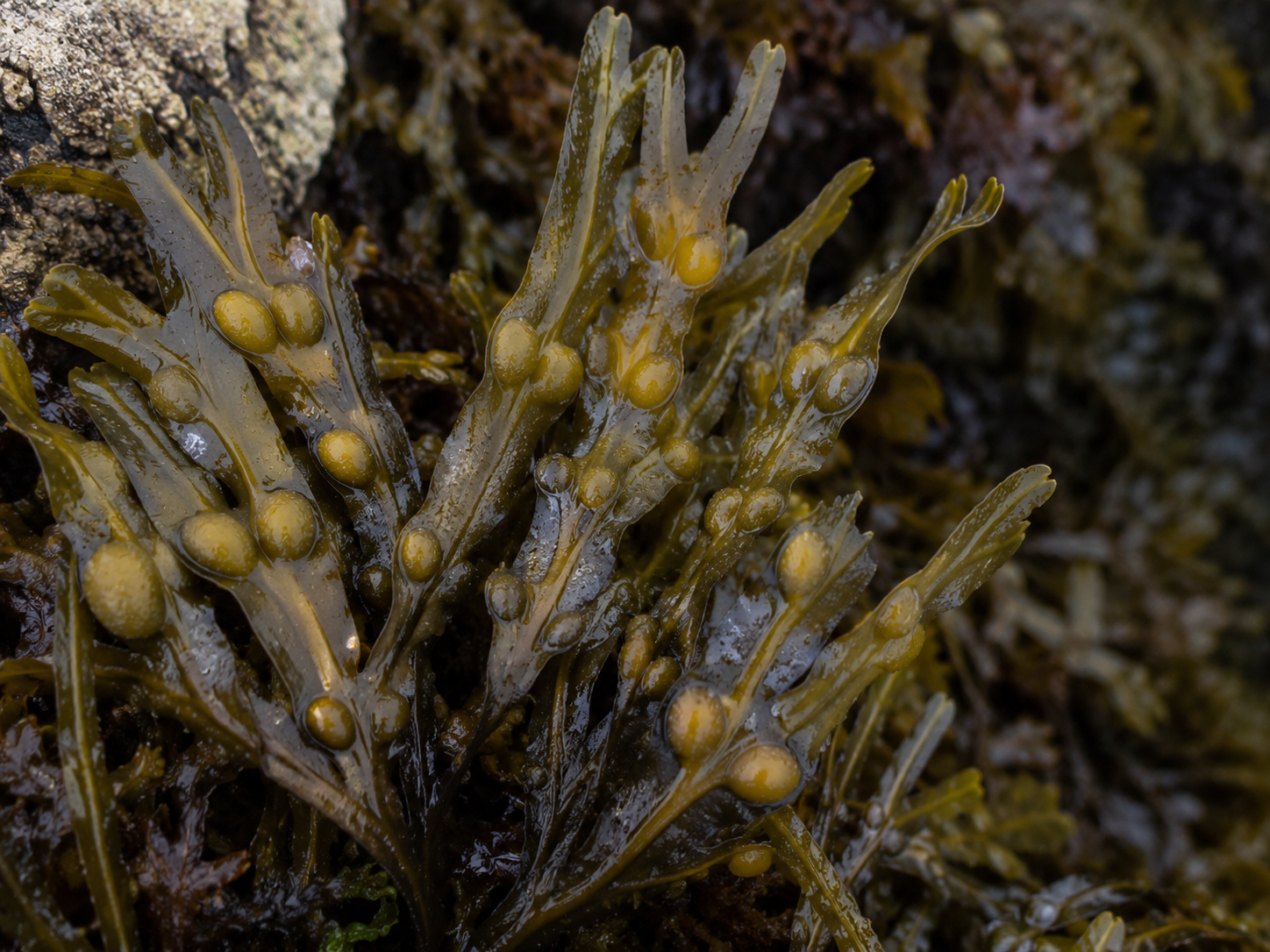
Bladderwrack (Fucus vesiculosus) is a nutrient-dense brown seaweed found along the rocky coastlines of the Atlantic and Pacific Oceans. It has been harvested, prized, and used in traditional coastal herbalism for centuries. In modern pet herbal wellness, Bladderwrack is primarily used to support normal thyroid function, encourage a healthy metabolism, and maintain joint comfort. Pet parents most often encounter this marine botanical in veterinarian-guided wellness conversations related to metabolic support, trace mineral nutrition, thyroid health, digestive comfort, and structural comfort.
Bladderwrack is a concentrated source of iodine, a trace mineral that directly influences the thyroid gland. It carries specific safety cautions, especially for cats or any pet with an overactive thyroid condition. Seaweeds are also natural bioaccumulators, which means they absorb compounds from their water environment. For this reason, sourcing and heavy metal testing matter. Bladderwrack should not be used casually, in high serving sizes, or without veterinary guidance. By understanding both its nutritive qualities and its safety parameters, pet parents can make informed decisions with the supervision of their trusted veterinarian.
Ingredient Identification
-
Common name: Bladderwrack, Rockweed, Black Tang
-
Botanical name: Fucus vesiculosus
-
Plant family: Fucaceae (Brown algae family)
-
Plant part used: Whole thallus, the main body of the seaweed
-
Other common names: Sea oak, cut weed, dyers fucus
-
Native range: Coasts of the North Sea, the western Baltic Sea, and the Atlantic and Pacific Oceans
-
Common growing regions: Cold, rocky coastal waters
-
Common preparation forms: Dried powders, standardized extracts, and liquid glycerites
-
Main active constituents: Iodine, fucoidans, alginic acid (alginates), phlorotannins, and trace marine minerals
Associated Pet Wellness Categories
-
Metabolic and Thyroid Support: Bladderwrack is studied for supporting normal glandular function, especially thyroid function, due to its naturally occurring iodine content. The thyroid requires iodine to produce hormones that regulate metabolism. It is often discussed when a dog needs nutritional support for healthy weight, normal energy levels, and balanced metabolic function.
-
Joint and Mobility Support: This marine botanical is traditionally used for structural comfort and normal joint mobility. It contains unique complex carbohydrates called fucoidans, which have been researched for their role in supporting a healthy inflammatory response in the joints. This makes Bladderwrack relevant for senior pets experiencing age-related stiffness or active dogs requiring ongoing structural maintenance.
-
Digestive Health and Comfort: Bladderwrack is used in holistic contexts to support a healthy, comfortable gastrointestinal lining. It contains alginic acid, a mucilaginous substance that forms a soothing, gel-like barrier when exposed to water. Herbalists believe this helps coat and protect the delicate mucous membranes of the stomach and esophagus, offering physical comfort for pets dealing with occasional acid upset or digestive irritation.
-
Skin and Coat Health: As a nutritive tonic, Bladderwrack provides trace minerals, vitamins, and amino acids that support foundational wellness. These nutrients support the growth of a strong, glossy coat and help maintain supple, healthy skin from the inside out.
Common Pet Wellness Uses
-
Normal Thyroid Maintenance: Bladderwrack has a long, documented history of use as a glandular tonic. In dogs, it is used as a nutritional adjunct to support pets predisposed to sluggish metabolisms or weight gain. The evidence level is considered strong for iodine delivery, though careful serving size control is required to avoid thyroid disruption from excess iodine.
-
Joint Comfort and Recovery: Bladderwrack is sometimes used in holistic veterinary practice for senior dogs experiencing joint stiffness. The evidence is supported by traditional use and emerging animal-based models evaluating the joint-supporting properties of marine fucoidans.
-
Gastric Soothing: In holistic small animal practice, Bladderwrack extracts or powders are sometimes used to support pets with sensitive stomachs. The alginates in the seaweed help provide a physical layer of soothing mucilage to the digestive tract.
Best Known Herbal Actions
-
Thyroid Tonic: A thyroid tonic provides nutritional building blocks, such as iodine, that support normal thyroid gland function, metabolic rate, and healthy energy production.
-
Alterative: In traditional herbalism, an alterative supports the body's natural pathways of waste elimination and metabolic processing, helping restore systemic balance.
-
Demulcent: Demulcents are herbs rich in mucilage that soothe and protect irritated internal tissues. The alginic acid in Bladderwrack acts as a demulcent for the upper gastrointestinal tract.
-
Nutritive: Nutritive herbs are mineral-rich botanical foods. They provide bioavailable vitamins, trace minerals, and macronutrients that nourish the body and help fill nutritional gaps.
Key Constituents and Why They Matter
The primary active compounds found in Bladderwrack include iodine, fucoidans, and alginic acid. These constituents interact with several physiological systems. Iodine is the essential raw material the thyroid gland uses to synthesize metabolic hormones. Fucoidans are sulfated polysaccharides that research associates with immune support, cellular health, and joint comfort. Alginic acid is a structural component of the seaweed that transforms into a soothing gel in the digestive tract. This means Bladderwrack supports metabolism, joint comfort, and digestive tissue comfort through a marine-based nutrient profile.
Western Herbalism Profile
In Western herbalism, herbs are classified by taste, energetics, and tissue affinities to guide how they interact with the body. Bladderwrack is characterized by a salty, briny, and slightly mucilaginous taste. Energetically, Western herbalists consider Bladderwrack cooling in temperature and moistening in nature. It has a pronounced tissue affinity for the thyroid gland, lymph nodes, joints, and digestive tract.
Western herbalists have long indicated Bladderwrack for sluggish metabolism, weight gain, swollen glands, and dry, undernourished tissues. It is viewed as an herb that stimulates cellular activity while providing cooling nourishment to the body's fluids. It helps support energy in a stagnant system.
Western herbalists also maintain clear boundaries around its use. Because of its iodine content and salty nature, it is usually formulated with precision to avoid over-stimulating the thyroid. It is designed as a carefully measured tonic rather than a generic food topper, with the goal of restoring mineral balance without pushing the glandular system into an overactive state.
Traditional Chinese Medicine Profile
While Bladderwrack itself is a Western and Northern ocean seaweed, Traditional Chinese Medicine (TCM) has used closely related brown seaweeds, known as Hai Zao (Sargassum) and Kun Bu (Kelp), for thousands of years. Modern TCM practitioners and holistic veterinarians evaluate Bladderwrack using similar energetic principles to understand how it behaves in the body.
Through a modern TCM lens, practitioners view Bladderwrack as having a salty flavor and cold energy. It is believed to primarily enter the Liver, Stomach, and Kidney meridians. In TCM, the salty taste has a specific traditional action: it softens hardness and disperses stagnation. When a pet shows swollen lymph nodes, fatty lipomas, or glandular enlargement, the system is considered affected by Phlegm accumulation. Bladderwrack's traditional role is viewed as clearing Heat, transforming Phlegm, and softening hardened tissue patterns.
Its cold, moistening properties are also associated with normal urination and water balance. Despite these beneficial actions, TCM practitioners follow a clear rule: do not use in cases of profound Spleen and Stomach Cold. If a pet shows signs of coldness, weak digestion, or watery stools, the cold, slippery nature of Bladderwrack is considered inappropriate because it could further weaken digestive fire.
Ayurvedic Medicine Profile
Bladderwrack is not native to the Indian subcontinent and is not part of the classical ancient Ayurvedic pharmacopeia. Modern Ayurvedic practitioners and holistic veterinarians sometimes analyze global seaweeds using Ayurvedic principles to understand how they affect the three doshas: Vata, Pitta, and Kapha.
From an Ayurvedic perspective, Bladderwrack is recognized for its salty taste (Lavana rasa), cooling energy (virya), and sweet post-digestive effect (vipaka). Its primary doshic action is complex. Its salty taste and mineral content are grounding and pacifying to Vata, which governs the nervous system and becomes depleted or dry with age. Its cooling energy helps soothe Pitta, which governs heat and metabolism. Because it is heavy and moistening, it has the potential to increase Kapha, which relates to fluid and stagnation.
Ayurveda also recognizes that the iodine in Bladderwrack stimulates Agni, the metabolic fire. By supporting thyroid and metabolic activity, it is traditionally viewed as helping address excess Kapha in pets that are overweight or sluggish. Ayurvedic practitioners use Bladderwrack carefully, sometimes balancing its moistening nature with warming herbs or foods when appropriate, to support metabolic vitality without creating digestive heaviness.
Research Summary
It is important to acknowledge that double-blind, peer-reviewed clinical trials evaluating Bladderwrack directly in dogs and cats are currently limited. The botanical and its primary constituents are recognized in holistic veterinary manuals for supporting small animals with metabolic and joint challenges.
-
Animal Research: Studies in animal models demonstrate that isolated fucoidans from brown seaweeds support joint comfort, help protect cartilage from degradation, and support a healthy immune response.
-
Human Research: Clinical trials and nutritional studies have evaluated Bladderwrack as a bioavailable source of iodine for supporting normal thyroid hormone synthesis in individuals with sluggish metabolic rates.
-
In Vitro Research: Laboratory studies have demonstrated that alginic acid creates a physical barrier that protects gastric tissues from acid exposure, highlighting its traditional use as a digestive demulcent.
A significant gap remains in extensive species-specific pharmacokinetic data for pets, especially regarding safe upper limits for chronic iodine exposure. Human and rodent research provides directional insight, but it does not guarantee pet efficacy or safety without veterinary guidance.
What the Research Means for Dogs
For dogs, the most relevant wellness categories for Bladderwrack are thyroid support, weight management, and joint comfort. Hypothyroidism, or an underactive thyroid, is a common challenge in certain dog breeds. The strongest support for Bladderwrack's use comes from its iodine content, which provides a raw material the canine body needs to support normal glandular function. The fucoidan content also makes it relevant for senior dogs needing structural support. The weakest support lies in finding the exact appropriate serving size without crossing into excess iodine exposure. Due to its iodine levels, canine metabolic health should be monitored closely. Bladderwrack may be helpful for sluggish dogs, but veterinary oversight is necessary because excess iodine can disrupt thyroid balance.
What the Research Means for Cats
In cats, Bladderwrack requires extreme caution and highly restricted use. Cats are prone to hyperthyroidism, or an overactive thyroid gland, as they age. Because Bladderwrack provides high levels of iodine, it acts as direct fuel for the thyroid gland. Giving Bladderwrack to an older cat may worsen an underlying hyperthyroid condition, leading to weight loss, rapid heart rate, and metabolic distress. While the digestive and joint-supporting properties of fucoidans and alginates are relevant to cats, the iodine risk often outweighs the potential benefit. Evidence for its use in cats is limited to specific, veterinarian-diagnosed deficiencies. Veterinary guidance is essential, and Bladderwrack is generally considered inappropriate for senior cats unless specifically directed by a veterinarian.
Forms Used in Pet Wellness
-
Powder/Kelp Meal: Dried, crushed Bladderwrack is sometimes used as a nutritional top dress. This form provides the whole-plant matrix, including fiber and trace minerals. Iodine levels vary widely between batches based on where and when the seaweed was harvested.
-
Standardized Extract/Capsule: Used to deliver specific, measured percentages of iodine or fucoidans. This form is preferred for metabolic support because it helps the veterinarian understand how much iodine the pet receives daily.
-
Tincture/Glycerite: Liquid extracts allow precise, drop-by-drop measuring, which is helpful for small dogs where granular powder dosing is difficult to measure accurately.
Safety Profile
Bladderwrack is a powerful metabolic and glandular botanical, and its general safety profile requires respect. It is associated with high iodine levels and potential heavy metal contamination.
-
Dogs: Generally well-tolerated when used at appropriate, carefully measured serving sizes, but should be monitored for signs of thyroid imbalance.
-
Cats: Extreme caution is required. Due to the high prevalence of feline hyperthyroidism, Bladderwrack should be avoided in cats unless specifically directed by a veterinarian.
-
Puppies, Kittens, Pregnant or Nursing Pets: Avoid entirely. Excess iodine can interfere with normal fetal development and cause thyroid issues in newborns.
-
Heavy Metal Risk: Seaweeds absorb compounds from their water environment. Bladderwrack may contain dangerous levels of arsenic, lead, and cadmium if harvested from polluted waters. It should only come from suppliers that perform strict heavy metal testing.
-
Possible Adverse Effects: Iodine toxicity, which may appear as hyperthyroidism or paradoxical hypothyroidism, excessive thirst, watery eyes, nasal discharge, or mild gastrointestinal upset.
-
When to Stop Use: Discontinue and consult a veterinarian if the pet shows unexplained weight loss, rapid heart rate, restlessness, vomiting, or persistent diarrhea.
Please note: Before beginning any pet supplements, herbs, or nutritional changes, consult your veterinarian first. This educational information is intended to support informed conversations with your veterinary team and should not replace professional guidance.
Contraindications
-
Hyperthyroidism or any overactive glandular condition.
-
Autoimmune thyroiditis.
-
Pre-existing bleeding disorders, because fucoidans have mild anticoagulant properties.
-
Pregnancy and lactation.
-
Known iodine sensitivity or allergy.
Drug and Supplement Interactions
-
Thyroid Medications: Bladderwrack interacts directly with medications used to treat thyroid conditions, such as levothyroxine or methimazole. It should not be used with these medications unless directed by a veterinarian, as it can alter hormone levels.
-
Anticoagulants and Blood Thinners: Bladderwrack may increase the effects of blood-thinning medications due to its fucoidan content, creating a theoretical bleeding risk.
-
Hypoglycemic Medications: Bladderwrack may lower blood sugar, creating a theoretical risk if combined with insulin or oral diabetes drugs.
Dosage and Serving Context
Serving context depends entirely on species, weight, baseline thyroid health, and whether the herb is prepared as a raw dried powder or standardized extract. There is no safe generic scoop for Bladderwrack. When reference ranges are used, veterinary botanical texts focus on total daily iodine requirement rather than the volume of seaweed. For the safest and most appropriate use, discuss Bladderwrack with your veterinarian before giving it to your dog or cat. Your veterinarian can help evaluate thyroid status, medications, age, breed risk, iodine exposure, and wellness needs before use.
How This Ingredient Fits into BARC Formulas
At LivHerbals, ingredients like Bladderwrack are approached with care, respect for traditional use, and attention to pet-specific safety considerations. When an ingredient is used in a BARC formula, it is selected for a specific wellness purpose and balanced within the larger formula rather than treated as a standalone quick fix.
Ingredient Profile Summary
-
Best known for: Supporting normal thyroid function, metabolism, and joint comfort.
-
Most relevant pet wellness categories: Metabolic support, joint and mobility health, digestive soothing.
-
Most relevant herbal actions: Thyroid tonic, alterative, demulcent, nutritive.
-
Research strength: Strong in animal and human models. Limited in clinical pet trials regarding safe chronic iodine dosing.
-
Main cautions: Bladderwrack is a concentrated marine botanical that requires careful use. It needs verified heavy metal testing and is strongly contraindicated for cats with, or at risk of, hyperthyroidism. Use this herb under veterinary guidance to support your pet's safety and well-being.
Pet Parent Takeaway
Bladderwrack is a traditional marine botanical known for supporting metabolism, trace mineral nutrition, and joint comfort. When a dog is navigating a sluggish metabolism or age-related stiffness, Bladderwrack's iodine and fucoidan content may offer support within a broader wellness plan. It is not a casual, unmeasured supplement for every pet, especially cats or any animal with a thyroid condition. To use Bladderwrack safely and appropriately, partner with your veterinarian and consider your pet's full health picture before starting any new herb or supplement.
Disclaimer: This content is for educational purposes only and is not intended to diagnose, treat, cure, or prevent any disease. Always consult your veterinarian before starting any new supplement, herb, food, or wellness routine for your pet, especially if your pet is pregnant, nursing, taking medication, has a diagnosed condition, or is under veterinary care.
References
Pet-Specific Studies and Veterinary References
-
Wynn, S. G., & Fougère, B. J. (2007). Veterinary Herbal Medicine. Mosby Elsevier.
-
Basko, I. (2004). Fresh Plant Materia Medica.
Human and Animal Studies
-
Fitton, J. H., et al. (2015). Therapies from Fucoidan: An Update. Marine Drugs.
-
Catarino, M. D., et al. (2018). Phlorotannins from Fucus vesiculosus and Ascophyllum nodosum: Chemical Characterization and Antioxidant Activity. Antioxidants.
Safety and Toxicology References
-
American Herbal Products Association (AHPA). Botanical Safety Handbook (2nd ed.).

Written by Angela Petersen
.%20Learn%20about%20its%20traditional%20metabolic%20uses,%20pe...)