
Boswellia for Dogs and Cats: Grounded Joint Longevity and Mobility Support
Boswellia for Dogs and Cats: Ingredient Profile, Uses, and Safety
Explore this LivHerbals ingredient profile for Boswellia (Boswellia serrata). Learn about its traditional joint uses, pet-specific research, and key safety facts.
Understanding Boswellia in Pet Wellness
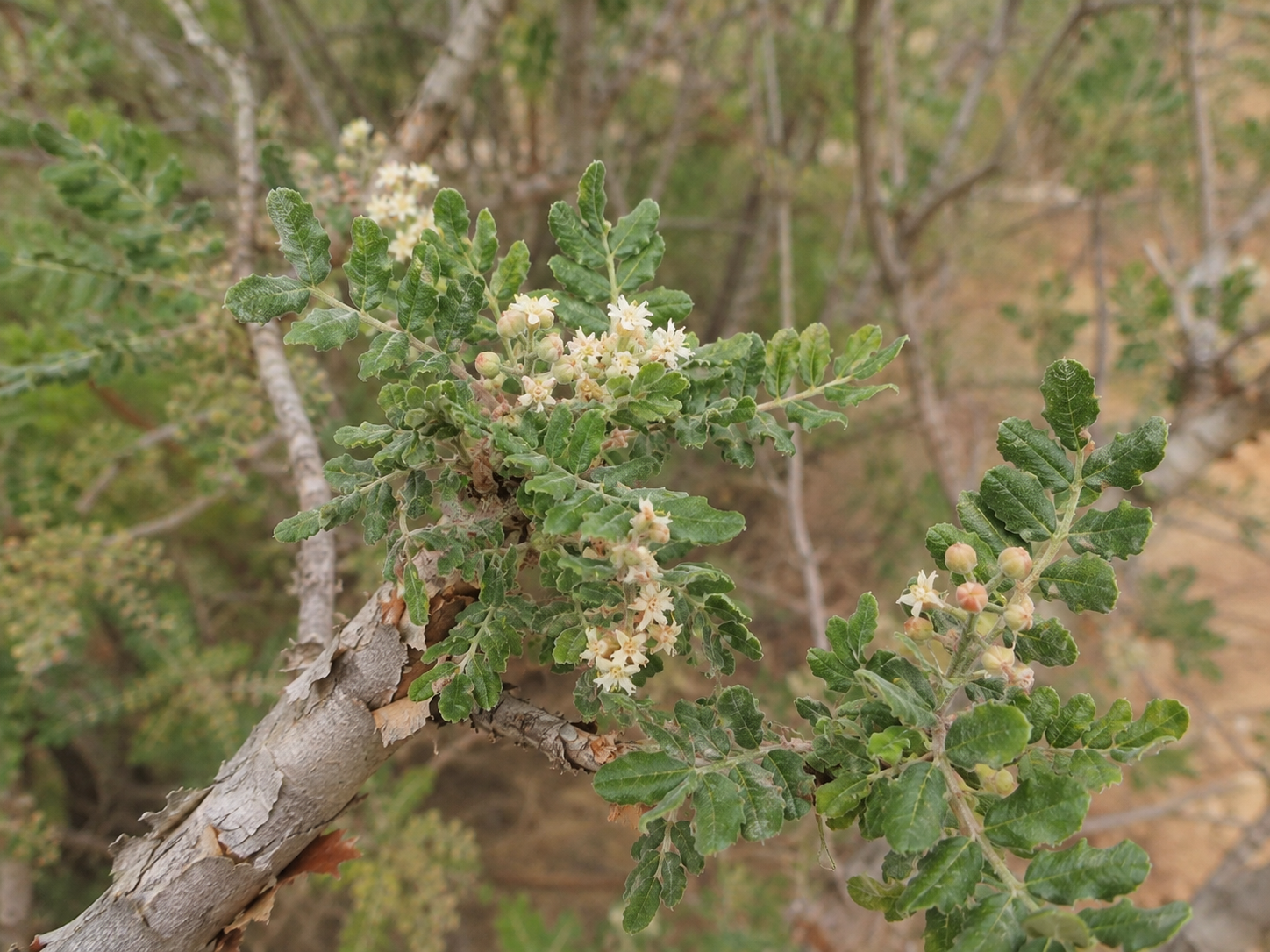
Boswellia (Boswellia serrata) is a respected traditional resin harvested from the bark of the Boswellia tree, native to the dry, mountainous regions of India, North Africa, and the Middle East. This aromatic gum resin has been cultivated, prized, and used ceremonially and medicinally in Ayurvedic and traditional systems for over 3,000 years. In modern pet herbal wellness, Boswellia is primarily used to support joint longevity, maintain normal mobility, and encourage a healthy, balanced inflammatory response throughout the body. Pet parents most often encounter this botanical in veterinarian-guided wellness conversations related to senior comfort, joint flexibility, active dog recovery, and long-term structural support.
Boswellia is a powerful structural botanical. It carries specific safety cautions related to digestive comfort and potential interactions with conventional medications, especially non-steroidal anti-inflammatory drugs (NSAIDs) and blood thinners. Reviews highlight its active organic acids, which means it deserves care, precision, and proper situational use. For this reason, Boswellia should not be used casually, in random serving sizes, or without veterinary guidance, especially in pets with sensitive digestive tracts or those receiving medical therapies. It is a foundational botanical tool that builds systemic comfort over time. By understanding both its tissue-supporting qualities and its safety parameters, pet parents can make informed decisions with the supervision of their trusted veterinarian.
Ingredient Identification
-
Common name: Boswellia, Indian Frankincense
-
Botanical name: Boswellia serrata
-
Plant family: Burseraceae (Torchwood or Frankincense family)
-
Plant part used: Oleo-gum-resin, the purified exudate from the bark
-
Other common names: Shallaki, salai guggul, oliverum
-
Native range: India, the Middle East, and parts of Northern Africa
-
Common growing regions: Dry, arid, and rocky mountainous forests
-
Common preparation forms: Standardized resin extracts, liquid tinctures, powders, and topical salves
-
Main active constituents: Boswellic acids, including 11-keto-β-boswellic acid and 3-O-acetyl-11-keto-β-boswellic acid (AKBA)
Associated Pet Wellness Categories
-
Joint and Mobility Support: Boswellia is extensively studied for supporting normal joint function, flexibility, and structural integrity. It is often chosen when a pet needs help maintaining physical comfort during daily walks, stairs, or play. By interacting with cellular pathways, it helps support occasional joint stiffness, allowing dogs and cats to move with greater ease. This makes it a relevant herbal ally for aging pets or large breed dogs predisposed to structural wear.
-
Healthy Inflammatory Response Support: This resin is traditionally used for supporting the body's natural pathways that regulate everyday inflammation rather than masking acute signals. Whether a dog is recovering from a long day of agility training or a senior cat needs ongoing systemic comfort, Boswellia provides targeted support for normal tissue responses. It acts gradually to buffer vulnerable connective tissues, helping the body process physical stress and maintain a comfortable baseline.
-
Digestive Health and Comfort: Boswellia is used in holistic contexts to support a healthy, stable gastrointestinal tract lining. Because systemic stress and age sometimes affect bowel comfort and mucosal integrity, Boswellia's soothing, resinous properties help support tissue comfort in the gut. It helps support normal endothelial function and bowel stability, offering internal structural support alongside physical mobility support.
-
Respiratory Tract Maintenance: This botanical is used traditionally for maintaining clear, normal respiratory function and supporting lung tissue health during seasonal environmental changes. Animals with sensitivities to dust, pollen, or spores sometimes experience temporary respiratory narrowing. Boswellia's properties help support normal smooth muscle relaxation in the airways, promoting physical ease and comfortable breathing.
Common Pet Wellness Uses
-
Structural Mobility and Joint Flexibility: Boswellia has a long, documented history of use as a restorative botanical for aging joints. In dogs, it is used for chronic, age-related structural slowing, morning stiffness, or reluctance to climb stairs. For cats, it is carefully used to help maintain physical agility and jumping confidence in the senior years. Research in animal models and human trials demonstrates support for comfortable joint loading and walking distance. The evidence level is considered strong for general mobility-supporting action, though still emerging for pet-specific clinical trials.
-
Gastrointestinal Lining Stability: Boswellia is sometimes used in holistic veterinary practice for pets requiring extra support for a balanced, calm digestive tract. The evidence is supported by traditional use and animal-based models evaluating mucosal health, which are cited in veterinary botanical texts and clinical experience rather than large-scale small animal clinical trials.
-
Exercise Recovery and Stamina: In holistic canine practice, Boswellia extract is sometimes used to support working dogs, sporting dogs, or highly active pets recovering from intensive physical exertion, helping maintain normal muscle and tendon comfort after peak performance.
Best Known Herbal Actions
-
Healthy Inflammatory Response Ally: This action refers to the herb's traditional and researched ability to support the body's natural enzymes that regulate tissue health, assisting in the stabilization of cellular membranes without disrupting gastric comfort.
-
Circulation Supporter, Moves Blood: In traditional frameworks, Boswellia is recognized for its ability to encourage normal, healthy blood flow to localized tissues. By supporting local circulation, it assists the body in delivering nutrients and oxygen to dense connective tissues like tendons, ligaments, and joint capsules.
-
Astringent and Tissue Firmer: Astringents help tighten, tone, and protect relaxed or irritated mucous membranes and structural tissues. The resinous nature of Boswellia helps soothe internal linings, supporting a firm, resilient cellular barrier in both the digestive and respiratory tracts.
Key Constituents and Why They Matter
The primary active compounds found in Boswellia resin are known as boswellic acids, with 3-O-acetyl-11-keto-β-boswellic acid (AKBA) being one of the most heavily researched. These constituents are associated with the resin's balsamic aroma and its joint-supporting and tissue-protecting properties. Research indicates that boswellic acids interact with the 5-lipoxygenase (5-LOX) pathway to support a normal, healthy inflammatory cascade. This means Boswellia works through a unique herbal pathway to support long-term structural health and comfort over time.
Western Herbalism Profile
In Western herbalism, herbs are classified by taste, energetics, and tissue affinities to guide how they interact with the body. Boswellia is characterized by a bitter, pungent, resinous, and warm taste. Energetically, Western herbalists consider Boswellia warming in temperature and drying in nature. It has a pronounced tissue affinity for the musculoskeletal system, including joints and tendons, along with the respiratory system and the mucous membranes of the gastrointestinal tract.
Western herbalists have long indicated Boswellia for stagnant physical energy, cold structural stiffness, tissue laxity, and chronic systemic tension that affects physical mobility. It is viewed as an herb that addresses cold stagnation in the joints, supports normal fluid circulation, and restores tone to over-relaxed or irritated tissues. It helps bring physical comfort and renewed movement back to a stiff or aging body.
Western herbalists also maintain clear boundaries around its use. Because of its warming, drying energy and concentrated resin content, it is formulated carefully to avoid over-drying the body's natural fluids or causing digestive discomfort in pets with naturally hot, sensitive stomachs. It is designed as a foundational tonic for long-term physical support rather than a sudden, one-time treatment.
Traditional Chinese Medicine Profile
Boswellia is a foundational, classical herb found in the ancient Traditional Chinese Medicine (TCM) materia medica. Known traditionally as Ru Xiang, which translates to "Milk Fragrance," it references the milky resin droplets that exude from the tree bark. It has been categorized and revered by Chinese herbalism practitioners for millennia as a premier blood-moving botanical. Modern TCM practitioners and holistic veterinarians rely on it to address long-standing stagnation.
Through a TCM lens, practitioners view Boswellia as having a pungent and bitter flavor paired with warm energy. It is believed to primarily enter the Heart, Liver, and Spleen meridians. In TCM, the Liver rules the smooth flow of Qi and emotions, as well as the sinews, tendons, and ligaments. When a pet shows physical stiffness, discomfort, or reluctance to move, the system is considered affected by "Blood Stasis" and "Qi Stagnation" in the channels. Boswellia's traditional role is viewed as invigorating the Blood, moving the Qi, relaxing the sinews, and unblocking the collaterals.
Its pungent, moving qualities are also viewed as useful for resolving hard, stagnant accumulations and supporting normal tissue regeneration. Despite these beneficial actions, TCM practitioners follow a clear rule: do not use in cases of severe Spleen deficiency or during pregnancy. Because Ru Xiang has a strong downward, moving energy that breaks up stasis, its warm, dynamic nature is considered inappropriate in animals with weak, fragile digestion or those carrying unborn young.
Ayurvedic Medicine Profile
Boswellia is a foundational, sacred plant native to India and serves as a premier pillar of the Ayurvedic pharmacopeia. Known traditionally as Shallaki, it has been categorized and revered in ancient texts for thousands of years as a joint rejuvenator and a key component in traditional musculoskeletal care.
From an Ayurvedic perspective, Boswellia is recognized for its bitter, pungent, and astringent tastes (rasa), heating energy (virya), and pungent post-digestive effect (vipaka). Its primary doshic action is strongly pacifying to Kapha and Vata, while potentially aggravating to Pitta if used in excess. Vata dosha rules movement and the nervous system. When aggravated by aging or exhaustion, it appears as coldness, dryness, wasting, and physical stiffness in the joints. Kapha rules structure and fluids. When excessive or stagnant, it appears as heavy fluid accumulation and sluggishness. Boswellia's heating, drying, and light properties directly counteract these imbalances, helping address toxic accumulations, known as Ama, from the joint capsules, warming Vata coldness, and drying Kapha fluid stagnation.
Ayurvedic practitioners rely on Shallaki to support Agni, or metabolic fire, within the tissues and reinforce the structural boundaries of the limbs. Because it is energetically heating, it should be used with awareness in animals with high Pitta imbalances, such as active heat, skin redness, or acid digestive traits, to avoid overheating the internal environment. It remains one of Ayurveda's most valued botanical tools for long-term physical comfort and structural endurance.
Research Summary
It is important to acknowledge that double-blind, peer-reviewed clinical trials evaluating Boswellia directly in dogs and cats are currently limited, though steadily emerging. The botanical and its isolated acids are recognized in holistic veterinary manuals for supporting small animals during structural challenges.
-
Animal Research: Studies in canine and rodent models demonstrate that Boswellia extracts support joint comfort, walking stride, physical endurance, and cartilage matrix integrity under conditions of physical stress.
-
Human Research: Multiple placebo-controlled, double-blind clinical trials have evaluated Boswellia extract for joint discomfort, knee flexion, walking distance, and occasional structural stiffness.
-
In Vitro Research: Laboratory studies have demonstrated that boswellic acids, especially AKBA, exhibit selective inhibition of the 5-lipoxygenase enzyme, helping protect joint tissues from oxidative stress and supporting normal cellular longevity.
A significant gap remains in extensive, multi-generation pharmacokinetic safety data for felines. Human, canine, and rodent research provides directional insight, but it does not guarantee universal pet efficacy or safety without veterinary guidance.
What the Research Means for Dogs
For dogs, the most relevant wellness categories for Boswellia are senior mobility comfort, joint flexibility, and exercise recovery. Large breeds, working dogs, and senior canine companions frequently face structural wear that limits daily movement. The strongest support for Boswellia's use comes from its documented capacity to maintain a healthy inflammatory response within dense connective tissues, making it relevant for dogs requiring ongoing comfort. The weakest support lies in the lack of large, multi-center clinical trials validating exact standardized extracts across all canine breeds. Due to its potential to support cartilage preservation, canine structural health should be prioritized. Boswellia may be helpful for stiff dogs, but veterinary oversight is necessary to evaluate stomach tolerance and rule out structural injuries that require immediate medical care.
What the Research Means for Cats
In cats, Boswellia's most relevant wellness categories are age-related physical agility and spinal comfort. Senior cats often hide physical stiffness, sometimes showing discomfort by refusing to jump onto high surfaces or becoming irritable when touched along the back. Boswellia's warming and sinew-relaxing actions may offer steady support for aging feline frames. Because cats have selective liver metabolism and strong flavor sensitivities, introducing an aromatic resin requires precise control and a palatable delivery method. The balsamic taste of pure Boswellia resin may deter picky cats, and its concentrated acids mean serving sizes must be scaled carefully to their small body weights. Evidence for its use in cats is supported primarily by holistic veterinary texts and clinical experience rather than feline-specific safety trials, making a veterinarian's guidance essential before introducing Boswellia to a cat's daily routine.
Forms Used in Pet Wellness
-
Powder/Capsule: Used to deliver whole-resin benefits or concentrated extracts standardized to a specific percentage of boswellic acids, such as 65%. This form is easier to measure accurately and may be mixed into wet food to help hide the aromatic flavor.
-
Tincture/Glycerite: Liquid extracts allow precise, drop-by-drop measuring. Alcohol-free glycerites are preferred for small pets, though the resinous nature of Boswellia makes it harder to stabilize in pure water-glycerin bases without appropriate emulsification.
-
Topical Salves/Ointments: In holistic canine care, Boswellia resin is sometimes incorporated into topical balms or liniments to be massaged onto structural points for localized tissue comfort.
-
Chews: Chew formats are used in pet wellness for palatability and daily administration when appropriate for the individual pet.
Safety Profile
Boswellia is a powerful structural botanical, and its general safety profile requires respect. It is associated with interacting with cellular metabolic pathways, liver clearance mechanisms, and uterine tissue.
-
Dogs: Generally well-tolerated when used at appropriate serving sizes, but should be monitored for mild gastrointestinal changes, loose stools, or temporary appetite decrease if introduced too quickly.
-
Cats: Requires precise, lower serving sizes and careful monitoring due to sensitive feline liver pathways and low tolerance for highly aromatic plant resins.
-
Puppies, Kittens, Pregnant or Nursing Pets: Avoid entirely. Boswellia has traditional emmenagogue properties, meaning it may stimulate blood flow in the pelvic area and uterus, creating risk for pregnant or breeding animals.
-
Pets with Fragile Stomachs: Use with caution. While Boswellia is often discussed as gentler on the stomach than some conventional options, high serving sizes of raw resins may irritate a sensitive gastric lining.
-
Possible Adverse Effects: Mild digestive upset, diarrhea, loose stools, temporary nausea, or localized skin irritation if applied topically to sensitive skin.
-
When to Stop Use: Discontinue and consult a veterinarian if the pet shows vomiting, persistent soft stools, noticeable lethargy, skin rashes, or sudden refusal to eat.
Please note: Before beginning any pet supplements, herbs, or nutritional changes, consult your veterinarian first. This educational information is intended to support informed conversations with your veterinary team and should not replace professional guidance.
Contraindications
-
Pregnancy and lactation due to traditional emmenagogue and uterine-moving properties.
-
Pre-existing bleeding disorders or active internal ulcerations.
-
Upcoming major surgical procedures or general anesthesia. Discuss discontinuation timing with your veterinarian.
-
Severe Spleen deficiency or cold, pale, loose stool patterns without heat.
Drug and Supplement Interactions
-
NSAIDs and Corticosteroids: Boswellia may have a compounding effect when used alongside conventional non-steroidal anti-inflammatory drugs or steroids. This requires veterinary monitoring to evaluate medication use and reduce the risk of compounding gastric or renal stress.
-
Anticoagulants and Blood Thinners: Boswellia may theoretically increase the effects of blood-thinning medications due to its blood-moving properties, creating a risk of prolonged clotting times.
-
CYP450 Metabolized Medications: Boswellia extracts may interact with certain liver enzymes responsible for processing conventional medications, potentially altering their clearance rates and requiring professional evaluation.
Dosage and Serving Context
Serving context depends heavily on species, weight, individual structural needs, and whether the herb is prepared as a raw dried resin powder or a concentrated extract standardized to a specific percentage of total boswellic acids or AKBA. There is no generic pinch for Boswellia. Standardized extracts are far more potent than raw gum powders. When reference ranges are used, veterinary botanical texts often provide dosing by weight (mg/kg) divided daily. Boswellia is typically recommended with a meal to support absorption of its fat-soluble active acids and promote digestive comfort. For the safest and most appropriate use, discuss Boswellia with your veterinarian before giving it to your dog or cat. Your veterinarian can help evaluate your pet's health history, medications, age, digestive tolerance, mobility needs, and wellness goals before use.
How This Ingredient Fits into BARC Formulas
At LivHerbals, ingredients like Boswellia are approached with care, respect for traditional use, and attention to pet-specific safety considerations. When an ingredient is used in a BARC formula, it is selected for a specific wellness purpose and balanced within the larger formula rather than treated as a standalone quick fix.
Ingredient Profile Summary
-
Best known for: Supporting normal joint mobility, flexibility, and a healthy inflammatory response.
-
Most relevant pet wellness categories: Joint and mobility support, senior comfort, exercise recovery.
-
Most relevant herbal actions: Healthy inflammatory response ally, circulation supporter, astringent.
-
Research strength: Strong in canine, rodent, and human models. Growing in feline-specific applications.
-
Main cautions: Boswellia is supportive for age-related physical stiffness, but it should be used carefully. It should be paused before surgery unless directed by a veterinarian and is contraindicated in pregnant or nursing pets. Use this herb under veterinary guidance to support your pet's safety and well-being.
Pet Parent Takeaway
Boswellia is a traditionally revered botanical known for supporting inflammatory pathways, dense connective tissues, and the physical demands of aging. When a dog or cat is navigating structural stiffness, reduced daily agility, or the need for exercise recovery support, Boswellia may offer steady support within a broader wellness plan. It is not a casual supplement for every pet, especially breeding animals, pregnant pets, nursing pets, or pets with fragile digestive profiles. To use Boswellia safely and appropriately, partner with your veterinarian and consider your pet's full health picture before starting any new herb or supplement.
Disclaimer: This content is for educational purposes only and is not intended to diagnose, treat, cure, or prevent any disease. Always consult your veterinarian before starting any new supplement, herb, food, or wellness routine for your pet, especially if your pet is pregnant, nursing, taking medication, has a diagnosed condition, or is under veterinary care.
References
Pet-Specific Studies and Veterinary References
-
Wynn, S. G., & Fougère, B. J. (2007). Veterinary Herbal Medicine. Mosby Elsevier.
-
Basko, I. (2004). Fresh Plant Materia Medica.
-
Reichling, J., et al. (2004). Dietary support with Boswellia serrata extract in dogs with degenerative joint disease. Schweizer Archiv für Tierheilkunde.
Human and Animal Studies
-
Kimmatkar, N., et al. (2003). Efficacy and tolerability of Boswellia serrata extract in treatment of osteoarthritis of knee: A randomized double blind placebo controlled trial. Phytomedicine.
-
Ammon, H. P. (2010). Modulation of the immune system by Boswellia serrata extracts and boswellic acids. Phytomedicine.
Safety and Toxicology References
-
American Herbal Products Association (AHPA). Botanical Safety Handbook (2nd ed.).

Written by Angela Petersen
.%20Learn%20about%20its%20traditional%20joint%20uses,%20pet-specific...)