

Chamomile for Dogs and Cats: Grounded Nervous System and Digestive Support
Chamomile Flowers for Dogs and Cats: Ingredient Profile, Uses, and Safety
Explore this LivHerbals ingredient profile for Chamomile Flowers (Matricaria chamomilla). Learn about its traditional calming and digestive uses, safety facts, and research.
Understanding Chamomile Flowers in Pet Wellness
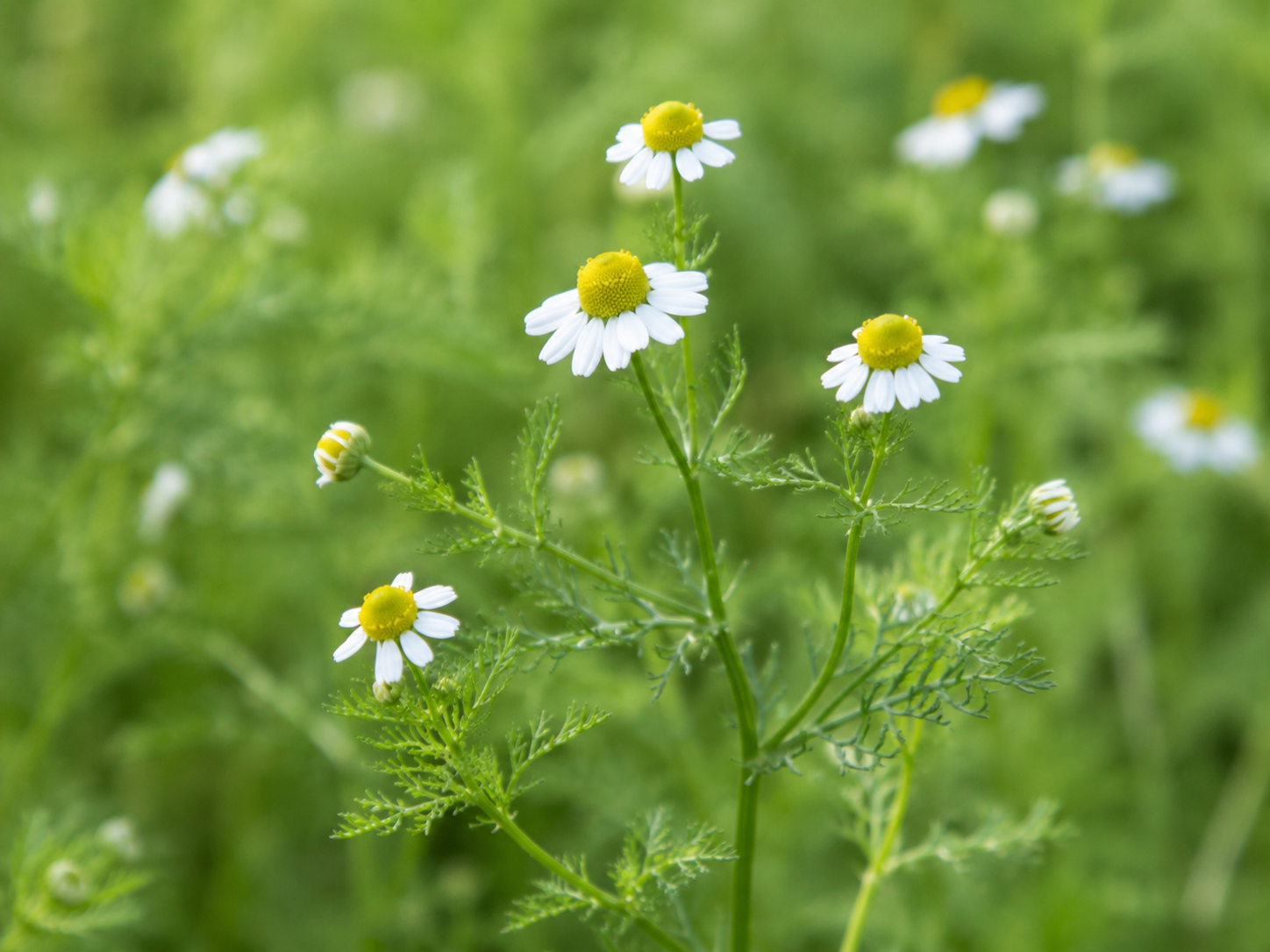
Chamomile Flowers (Matricaria chamomilla) are among the most widely recognized and respected botanicals in global herbal medicine. Cultivated and used for thousands of years across Europe, Asia, and North America, this delicate, daisy-like flower has been a staple of traditional household wellness. In modern pet herbal wellness, Chamomile is primarily used to support the nervous system, encourage smooth digestion, and maintain a calm, settled demeanor. Pet parents most often encounter this gentle botanical in veterinarian-guided wellness conversations related to calm support, digestive comfort, skin soothing, and temporary physical discomfort.
Chamomile is an active botanical rich in volatile oils and flavonoids. It carries specific safety cautions related to use in pregnant animals and its membership in the Asteraceae plant family, which may trigger allergic sensitivities in some pets. For this reason, Chamomile should be introduced in appropriate, pet-safe preparation forms and under veterinary guidance, especially in animals with known allergies or chronic health conditions. It is more than a casual nighttime tea. It is a versatile botanical tool. By understanding both its soothing qualities and its safety parameters, pet parents can make informed decisions with the supervision of their trusted veterinarian.
Ingredient Identification
-
Common name: Chamomile, German Chamomile, Wild Chamomile
-
Botanical name: Matricaria chamomilla, formerly Matricaria recutita
-
Plant family: Asteraceae, formerly Compositae, the Daisy family
-
Plant part used: Dried flower heads
-
Other common names: Blue chamomile, scented mayweed, babuna, Mu Ju
-
Native range: Europe, Western Asia, and North Africa
-
Common growing regions: Temperate regions globally, widely cultivated in Europe and North America
-
Common preparation forms: Alcohol-free liquid glycerites, water infusions, standardized extracts, powders, and topical washes
-
Main active constituents: Volatile essential oils, including chamazulene and alpha-bisabolol, flavonoids, especially apigenin and luteolin, coumarins, and mucilage
Associated Pet Wellness Categories
-
Calm and Mood Support: Chamomile is extensively studied for supporting normal nervous system function and a balanced mood. It is often chosen when a pet needs help maintaining a calm disposition without the heavy, disorienting effects of stronger sedatives. By interacting gently with central nervous system pathways, it helps soothe nervous tension, allowing dogs and cats to feel more grounded and relaxed in their surroundings. This makes it a relevant herbal ally for pets that struggle with environmental worry, restlessness, or hyper-vigilance.
-
Digestive Health and Comfort: This flower is traditionally used for supporting normal gastrointestinal function and easing occasional abdominal discomfort. Stress and nervous tension in pets often show up in the gut, leading to temporary digestive changes. Chamomile provides targeted support to help soothe the mucous membranes of the stomach and intestines. It acts gradually to support healthy digestion, reduce occasional gas, and maintain normal stool consistency, offering physical comfort alongside emotional ease.
-
Skin and Coat Health Support: Chamomile is used in holistic contexts to maintain clear, comfortable skin and support normal tissue recovery. Animals experiencing seasonal environmental sensitivities sometimes show localized skin irritation, redness, and itching. Chamomile's comforting properties help soothe superficial skin layers when used in appropriate topical preparations or internal forms, supporting a healthy skin barrier and physical ease.
-
Healthy Inflammatory Response Support: As a cooling and comforting botanical, Chamomile helps the body maintain a normal, healthy inflammatory response at a cellular level. It supports the body's natural recovery processes when tissues are temporarily stressed by exercise, environmental impurities, or everyday friction.
Common Pet Wellness Uses
-
Situational Stress and General Restlessness: Chamomile has a long, documented history of use as a relaxing and grounding botanical. In dogs, it is used for temporary stressors such as car travel, vet visits, or household changes. For cats, it is carefully used to support environmental changes, territorial shifts, or nervous pacing. Research in animal models and human trials demonstrates support for behavioral relaxation. The evidence level is considered strong for general calming action, though still emerging for pet-specific clinical trials.
-
Occasional Digestive Gas and Tension: Chamomile is frequently used in holistic veterinary practice for pets experiencing a nervous stomach, minor bloating, or flatulence related to stress or dietary indiscretion. The evidence is supported by traditional use, clinical experience, and animal-based models evaluating gastrointestinal smooth muscle relaxation.
-
Localized Skin Soothing and Rinses: In holistic canine and feline practice, cool chamomile flower infusions are sometimes used as topical washes or compresses to soothe minor insect bites, scratch marks, or seasonal skin sensitivities. These preparations use the flower's natural comforting properties directly on the skin surface.
Best Known Herbal Actions
-
Relaxing Nervine: A nervine is an herb that supports, nourishes, or relaxes the nervous system. As a relaxing nervine, Chamomile encourages a calm, rested state without causing deep, unnatural stupor. It helps down-regulate an overstimulated central nervous system, making it useful for anxious, easily startled, or restless pets. This action is both traditionally recognized and studied.
-
Carminative: Carminative herbs are rich in volatile oils that support normal digestion, assist with occasional gas, and soothe minor intestinal twitching. Chamomile supports smooth, comfortable digestive transit and helps relieve physical tension in the abdomen.
-
Antispasmodic: Antispasmodics help support normal muscle relaxation and ease physical tension in both skeletal and smooth muscles. When pets feel anxious, they often hold tension in the digestive tract or limbs. Chamomile helps release involuntary muscle contractions, allowing the body to soften and relax along with the mind.
Key Constituents and Why They Matter
The primary active compounds found in Chamomile Flowers are divided into water-soluble fractions, such as flavonoids, and oil-soluble fractions, such as volatile essential oils. The most significant include the flavonoid apigenin, along with alpha-bisabolol and chamazulene. These constituents are associated with the plant's sweet, apple-like aroma and tissue-soothing properties. Research indicates that apigenin binds selectively to central GABA receptors in the brain to support relaxation and ease worry. Alpha-bisabolol and chamazulene interact with cellular pathways to support a normal inflammatory response and protect delicate mucous membranes. This means Chamomile supports both the mind and the body, offering an herbal pathway to calm, digestive ease, and tissue comfort.
Western Herbalism Profile
In Western herbalism, herbs are classified by taste, energetics, and tissue affinities to guide how they interact with the body. Chamomile is characterized by a sweet, aromatic, and distinctly bitter taste, with bitterness becoming more pronounced the longer the flower is steeped. Energetically, Western herbalists consider Chamomile cooling in temperature and drying in nature. It has a pronounced tissue affinity for the central nervous system, gastrointestinal tract, and skin.
Western herbalists have long indicated Chamomile for acute nervous tension, digestive stagnation, heat-driven skin irritation, and behavioral overstimulation, especially when an irritable mind affects stomach comfort. It is viewed as an herb that cools frantic energy, moves stagnant digestive gas, and restores a balanced baseline to a sensitive body.
Western herbalists also maintain clear boundaries around its use. Because of its cooling, drying nature and bitter qualities, it is formulated carefully to avoid over-drying natural fluids or causing digestive aversion in highly sensitive pets. It is designed as a daily or situational supportive agent, often used through gentle preparation methods like infusions and alcohol-free glycerites.
Traditional Chinese Medicine Profile
Chamomile is evaluated with respect within modern Traditional Chinese Medicine (TCM) frameworks. Known in contemporary holistic practice as Mu Ju, it has been categorized and used by modern TCM practitioners and holistic veterinarians to address patterns of internal stagnation, emotional tension, and heat accumulation.
Through a TCM lens, practitioners view Chamomile as having a bitter, sweet, and aromatic flavor paired with cool energy. It is believed to primarily enter the Liver, Stomach, and Lung meridians. In TCM, the Liver rules the smooth flow of Qi and emotions, while the Heart and Liver pathways influence the "Shen," or the spirit and mind. When a pet shows hyper-reactivity, pacing, or a red, irritated tongue related to environmental stress, the system is considered affected by "Liver Qi Stagnation" and "Liver Heat" disturbing the Shen. Chamomile's traditional role is viewed as smoothing Liver Qi, clearing Heat, and calming the Shen.
Its affinity for the Stomach meridian also allows it to harmonize the Middle Jiao, supporting normal descending Qi that may otherwise appear as occasional nausea or digestive gas. Despite these useful actions, TCM practitioners follow a clear rule: do not use in cases of severe Spleen and Stomach Deficiency Cold. If a pet shows signs of chronic coldness, pale mucous membranes, or loose, watery stools due to weak digestive fire, the cool, descending nature of Chamomile is considered inappropriate because it could further slow metabolic fire.
Ayurvedic Medicine Profile
While Chamomile is native to Europe and Western Asia and is not a classical plant found in the ancient Ayurvedic pharmacopeia, modern Ayurvedic practitioners and holistic veterinarians often analyze it using Ayurvedic principles to understand how it interacts with the three doshas: Vata, Pitta, and Kapha.
From an Ayurvedic perspective, Chamomile is recognized for its bitter, sweet, and pungent tastes (rasa), cooling energy (virya), and pungent post-digestive effect (vipaka). Its primary doshic action is strongly pacifying to Pitta and Vata, while neutral to slightly increasing to Kapha if used in excess. Pitta dosha rules heat, fire, and mental intensity. When elevated, it appears as irritability, tissue redness, and digestive acid accumulation. Vata rules the nervous system and movement. When aggravated by sudden changes or loud noises, it appears as fear, panic, and gas moving through the gut. Chamomile's cooling and bitter traits help clear Pitta fire from the mind, while its antispasmodic and sweet traits ground Vata's erratic nervous energy and release intestinal wind.
Ayurvedic practitioners note that because Chamomile has a mildly drying post-digestive effect, it should be used with awareness in animals with severe Vata dryness or structural wasting. It remains a valued modern botanical tool for clearing systemic toxic heat, known as Ama, balancing the mind, and supporting digestive fire, known as Agni, by easing emotional tension in the gut.
Research Summary
It is important to acknowledge that double-blind, peer-reviewed clinical trials evaluating Chamomile directly in dogs and cats are currently limited, though steadily growing. The botanical and its isolated flavonoids are recognized in holistic veterinary manuals for supporting small animals during behavioral and digestive challenges.
-
Animal Research: Studies in rodent models demonstrate that Chamomile extracts and isolated apigenin support dose-dependent anxiolytic-like behavioral relaxation, reduce locomotor activity, and stabilize gastrointestinal smooth muscle tissues.
-
Human Research: Multiple placebo-controlled, double-blind clinical trials have evaluated Chamomile extract for generalized anxiety challenges, sleep quality scores, and irritated gastrointestinal linings.
-
In Vitro Research: Laboratory studies have demonstrated that alpha-bisabolol and chamazulene support a normal inflammatory response by modulating cellular pathways, while apigenin binds to central benzodiazepine receptors associated with calm.
A significant gap remains in large-scale canine and feline clinical trials validating exact standardized pharmacokinetic parameters. Human and rodent research provides directional insight, but it does not guarantee pet efficacy or safety without veterinary guidance.
What the Research Means for Dogs
For dogs, the most relevant wellness categories for Chamomile are calm and mood support during situational stress and maintenance of a comfortable digestive tract. Hyperactive dogs, working breeds, and senior dogs often experience stress that affects stomach comfort, leading to minor gas or temporary loose stools. The strongest support for Chamomile's use comes from its documented role as a relaxing nervine and carminative, making it relevant for dogs requiring emotional and abdominal grounding. The weakest support lies in the lack of large, multi-center canine clinical trials validating exact extract parameters across all breeds. Chamomile has a strong safety history, but veterinary oversight is necessary to rule out severe behavioral phobias, digestive obstruction, or other underlying concerns first.
What the Research Means for Cats
In cats, Chamomile's most relevant wellness categories are environmental stress response and stress-related skin behaviors. Cats often show hidden emotional worry by over-grooming, hiding, or reacting strongly during household disruption. Chamomile's gentle nervine properties may offer steady support for sensitive feline systems. A critical safety distinction matters: whole flower infusions and alcohol-free glycerites are generally gentler forms for cats, while pure concentrated Chamomile essential oil should not be given internally or applied undiluted to a cat's skin. Cats lack specific liver enzymes needed to process highly concentrated volatile essential oils efficiently, creating toxicity risk. Evidence for Chamomile use in cats is supported primarily by holistic veterinary texts and clinical experience, making a veterinarian's guidance essential to ensure the correct form is used.
Forms Used in Pet Wellness
-
Tincture/Glycerite: Liquid extracts allow precise, drop-by-drop measuring. Alcohol-free glycerites are often preferred for small animals because the natural sweetness of glycerin complements Chamomile's aromatic flavor.
-
Powder/Capsule: Used to deliver whole-flower benefits or standardized extracts. This form may be mixed into wet food, though sensitive animals may notice bitter notes.
-
Infusion (Tea): Dried flowers steeped in hot water create a gentle liquid that may be added to food or used topically as a cooling skin wash when appropriate.
-
Chews: Chew formats are used in pet wellness for palatability and daily or situational administration when appropriate for the individual pet.
Safety Profile
Chamomile is a gentle, time-tested botanical, and its general safety profile is considered high. Its active volatile oils and plant family origins still require respect.
-
Dogs: Generally well-tolerated for situational or daily use, but should be monitored for rare digestive changes if introduced too quickly.
-
Cats: Generally well-tolerated when using appropriate, diluted forms like glycerites or mild water infusions. Pure concentrated essential oils should be avoided.
-
Puppies, Kittens, Pregnant or Nursing Pets: Avoid entirely. Traditional texts note that Chamomile has mild emmenagogue properties that may stimulate uterine tissue in high amounts, creating risk for pregnant or breeding animals.
-
Asteraceae Family Allergies: Use high caution. Pets with known sensitivities to daisies, ragweed, sunflowers, or marigolds may experience cross-reactive allergic responses to Chamomile.
-
Possible Adverse Effects: Mild gastrointestinal irritation if given in excess, localized skin redness if an allergic reaction occurs, or mild drowsiness.
-
When to Stop Use: Discontinue and consult a veterinarian if the pet shows persistent loose stools, scratching after topical application, vomiting, or an unexpected rash.
Please note: Before beginning any pet supplements, herbs, or nutritional changes, consult your veterinarian first. This educational information is intended to support informed conversations with your veterinary team and should not replace professional guidance.
Contraindications
-
Known severe allergy or hypersensitivity to plants in the Asteraceae, or Daisy, family.
-
Pregnancy and lactation due to traditional uterine stimulant concerns.
-
Severe, active bleeding disorders or upcoming major surgical procedures due to trace coumarin content. Discuss discontinuation timing with your veterinarian.
Drug and Supplement Interactions
-
Sedatives and Tranquilizers: Chamomile may have a mild compounding effect when used alongside conventional calming pharmaceuticals or central nervous system depressants, requiring monitoring to avoid excessive drowsiness.
-
Anticoagulants and Blood Thinners: Chamomile may theoretically interact with blood-thinning medications if given in large, highly concentrated doses due to naturally occurring trace coumarins, though risk remains low at standard servings.
-
CYP450 Processed Medications: Concentrated extracts may interact with selected liver pathways responsible for clearing conventional medications, requiring professional evaluation if combined.
Dosage and Serving Context
Serving context depends heavily on species, weight, individual metabolic baseline, and whether the herb is prepared as a raw dried flower powder, mild water infusion, or concentrated liquid extract. There is no single generic household serving for Chamomile. A concentrated standardized extract delivers far more active apigenin than a mild, steeped tea. When reference ranges are used, veterinary botanical texts often provide dosing by weight (mg/kg) divided daily. Chamomile is typically given shortly before a known situational stressor or with a meal to support smooth digestive integration. For the safest and most appropriate use, discuss Chamomile with your veterinarian before giving it to your dog or cat. Your veterinarian can help evaluate your pet's health history, medications, age, allergy risk, stress response, digestive tolerance, and wellness needs before use.
How This Ingredient Fits into BARC Formulas
At LivHerbals, ingredients like Chamomile are approached with care, respect for traditional use, and attention to pet-specific safety considerations. When an ingredient is used in a BARC formula, it is selected for a specific wellness purpose and balanced within the larger formula rather than treated as a standalone quick fix.
Ingredient Profile Summary
-
Best known for: Gentle situational calming and supporting normal digestive comfort.
-
Most relevant pet wellness categories: Calm support, stress response, digestive health, skin soothing.
-
Most relevant herbal actions: Relaxing nervine, carminative, antispasmodic.
-
Research strength: Strong in animal and human models. Growing in clinical pet-specific validations.
-
Main cautions: Chamomile is generally well-tolerated, but it should be used in correct, pet-safe forms. Pure essential oils should be avoided in cats. Chamomile should be paused before major surgeries unless directed by a veterinarian and avoided in pregnant pets or animals with known Asteraceae family allergies. Use this herb under veterinary guidance to support your pet's safety and well-being.
Pet Parent Takeaway
Chamomile Flowers are a traditionally revered botanical known for supporting an overactive nervous system, digestive comfort, and temporary situational stress. When a dog or cat is overwhelmed by environmental triggers, minor gas, abdominal tension, or skin discomfort, Chamomile may offer steady support within a broader wellness plan. It works best when used in targeted, pet-appropriate preparations under veterinary guidance. To use Chamomile safely and appropriately, partner with your veterinarian and consider your pet's full health picture before starting any new herb or supplement.
Disclaimer: This content is for educational purposes only and is not intended to diagnose, treat, cure, or prevent any disease. Always consult your veterinarian before starting any new supplement, herb, food, or wellness routine for your pet, especially if your pet is pregnant, nursing, taking medication, has a diagnosed condition, or is under veterinary care.
References
Pet-Specific Studies and Veterinary References
-
Wynn, S. G., & Fougère, B. J. (2007). Veterinary Herbal Medicine. Mosby Elsevier.
-
Basko, I. (2004). Fresh Plant Materia Medica.
Human and Animal Studies
-
Amsterdam, J. D., et al. (2009). A randomized, double-blind, placebo-controlled trial of Matricaria recutita (chamomile) extract for generalized anxiety disorder. Journal of Clinical Psychopharmacology.
-
Srivastava, J. K., Shankar, E., & Gupta, S. (2010). Chamomile: A herbal medicine of the past with bright future. Molecular Medicine Reports.
Safety and Toxicology References
-
American Herbal Products Association (AHPA). Botanical Safety Handbook (2nd ed.).

Written by Angela Petersen

.%20Learn%20about%20its%20traditional%20calm...)