
Kava for Dogs and Cats: Grounded Short-Term Situational Stress Relief
Kava for Dogs and Cats: Ingredient Profile, Uses, and Safety
Explore this LivHerbals ingredient profile for Kava (Piper methysticum). Learn about its traditional calming uses, pet-specific research, and key safety facts.
Understanding Kava in Pet Wellness
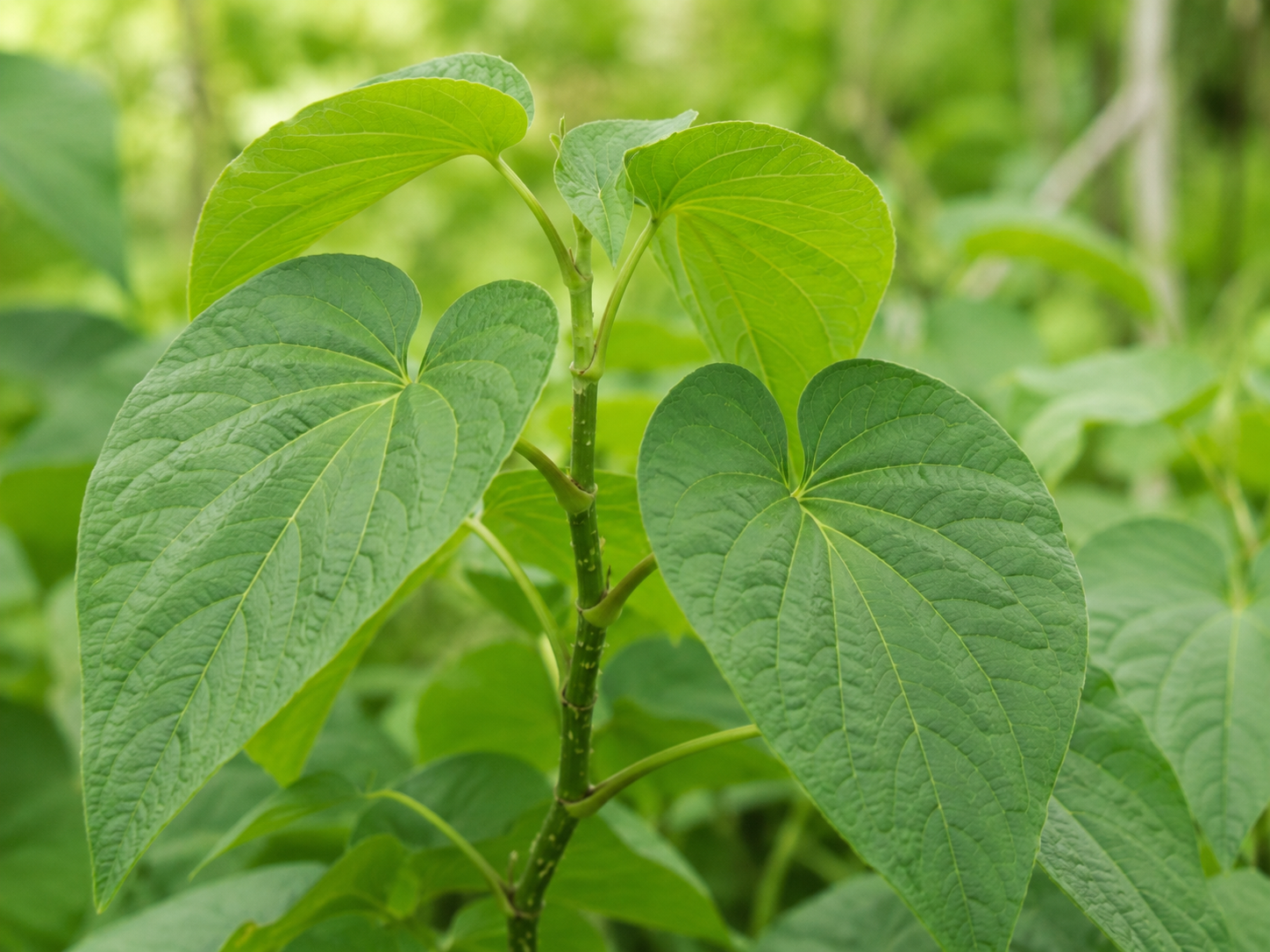
Kava (Piper methysticum) is a respected traditional root native to the Pacific Islands, where it has been cultivated, valued, and used ceremonially for over 3,000 years. In modern pet herbal wellness, Kava is primarily used to support the nervous system, encourage deep relaxation, and maintain a calm, settled demeanor during times of heightened stress. Pet parents most often encounter this botanical in veterinarian-guided wellness conversations related to situational stress, thunderstorms, fireworks, travel, separation, and temporary nervous tension.
Kava is best understood as a targeted botanical tool rather than a daily wellness supplement. It is traditionally used for short-term, situational support when a pet is facing a specific stressor. This may include loud noises, transportation, unfamiliar environments, or other temporary events that cause a pet to pace, pant, tremble, hide, vocalize, or struggle to settle.
Kava is a highly active botanical and carries important safety cautions related to liver health. Global safety reviews have documented potential hepatotoxicity concerns in humans, which means Kava deserves careful handling, proper selection, and veterinary oversight. For this reason, Kava should not be used casually, in high amounts, for long periods, or without veterinary guidance. By understanding both its calming qualities and its safety parameters, pet parents can make informed decisions with the supervision of their trusted veterinarian.
Ingredient Identification
-
Common name: Kava, Kava Kava
-
Botanical name: Piper methysticum G. Forst
-
Plant family: Piperaceae
-
Plant part used: Dried rhizome, or root
-
Other common names: Awa, yangona, kava pepper
-
Native range: Pacific Islands, including Hawaii and Papua New Guinea, excluding New Caledonia and New Zealand
-
Common growing regions: Tropical and subtropical climates
-
Common preparation forms: Standardized extracts, tinctures, alcohol-free glycerites, and dried powders
-
Main active constituents: Kavalactones, also called kava pyrones, including kavain, methysticin, and yangonin
Associated Pet Wellness Categories
-
Calm and Mood Support: Kava is studied for supporting normal nervous system function and deep relaxation. It is often discussed when a pet needs help maintaining a calm disposition during temporary stress. By interacting with nervous system pathways, it helps support a grounded, settled state when a pet is struggling with nervous tension. This makes it a relevant botanical for pets that pace, pant, tremble, or become overly vocal during stressful events.
-
Stress Response Support: Kava is traditionally used for situational behavioral stress rather than chronic everyday anxiety. Whether a dog is facing fireworks or a cat is stressed by a veterinary visit, Kava provides targeted support for the acute stress response. It may help soften the edge of temporary fear and support a quicker return to baseline behavior after the stressor has passed.
-
Urinary Support: Kava is sometimes discussed in holistic contexts for lower urinary tract comfort, especially when stress appears to influence urinary behavior. Stress and anxiety can sometimes be associated with urinary changes, such as inappropriate elimination or stress-related bladder sensitivity. Kava's relaxing properties may help support the nervous component of urinary tract tension. This use should be approached carefully and only with veterinary guidance.
-
Comfort and Recovery Support: Kava is traditionally used for normal muscle relaxation and physical ease. Animals under stress may hold tension in their muscles, which can appear as trembling, stiffness, or guarded movement. Kava's antispasmodic properties help support normal muscle relaxation alongside emotional settling.
Common Pet Wellness Uses
-
Calm and Mood Support: Kava has a long history of traditional use as a calming ceremonial botanical. In dogs, it is most often discussed for acute situational stressors such as fireworks, loud thunderstorms, travel, or separation. For cats, it is sometimes carefully considered for environmental stress, moving homes, or travel. Research in animal models and human trials demonstrates dose-dependent relaxing behavioral effects. The evidence level is considered moderate for general relaxing action, though limited for pet-specific clinical trials.
-
Urinary Comfort Support: Kava is sometimes used in holistic veterinary practice for stress-related urinary patterns, such as inappropriate elimination or bladder discomfort associated with stress. The evidence here is limited and based mainly on clinical experience and veterinary herbal texts rather than formal pet-specific studies.
-
Comfort Support, Topical: In holistic canine practice, Kava powder is sometimes blended with soothing topical agents, such as calendula ointment, for localized external comfort. Topical use should be guided by a veterinarian or qualified professional and should not be used on deep, infected, or untreated wounds.
Best Known Herbal Actions
-
Nervine, Relaxant: A nervine is an herb that supports, nourishes, or relaxes the nervous system. As a relaxing nervine, Kava encourages a calm, rested state without necessarily causing sleep. It helps support an overactive nervous system, making it useful in traditional herbalism for temporary nervous tension, pacing, and restlessness.
-
Antispasmodic: Antispasmodics support normal muscle relaxation and ease physical tension. When pets are anxious, they may hold rigid tension in their skeletal muscles, which can contribute to trembling or discomfort. Kava helps support the body's natural ability to soften and relax physically alongside mental settling.
-
Mild Analgesic Support: Kava is traditionally used internally and topically to support physical comfort. It is especially known for its numbing effect on mucous membranes, which can be felt when tasting the root. In pet wellness, this mild numbing property is discussed for soothing irritated tissues, although internal or topical use should be guided by a veterinarian.
Key Constituents and Why They Matter
The primary active resinous compounds found in Kava root are known as kavalactones, or kava pyrones. The most significant include kavain, methysticin, and yangonin. These constituents are associated with the plant's calming, tissue-relaxing, and characteristic numbing properties. Research indicates that kavalactones interact with nervous system pathways to promote relaxation. This calming action appears to work differently than common prescription sedatives, which is why Kava is viewed as a unique botanical approach to short-term calm support. Because these constituents are active and metabolized through the liver, careful use is important.
Western Herbalism Profile
In Western herbalism, herbs are classified by taste, energetics, and tissue affinities to guide how they interact with the body. Kava is characterized by a pungent, slightly bitter, earthy taste followed by a distinct numbing or tingling sensation on the tongue and oral mucous membranes. Energetically, Western herbalists consider Kava neutral in temperature and dry in nature. It has a pronounced tissue affinity for the nervous system, musculoskeletal system, and urinary tract.
Western herbalists have long indicated Kava for acute nervous tension, physical spasms, occasional sleeplessness, and urinary tract irritability, especially when nervous tension appears to worsen physical symptoms. It is viewed as an herb that grounds scattered energy and supports physical relaxation when the mind is overstimulated.
Western herbalists also maintain strong boundaries around its use. Extended use is discouraged due to potential liver burden and historical reports of skin changes associated with heavy, long-term consumption. Because of its potent relaxing properties and metabolic demands, Kava is generally used as a short-term situational herb rather than a daily tonic. It is best reserved for targeted periods of stress and then set aside once the stressor has passed.
Traditional Chinese Medicine Profile
Kava is not native to Asia and is not a classical herb found in the ancient Traditional Chinese Medicine (TCM) materia medica. Because it originates from the Pacific Islands, it was not historically categorized by early Chinese herbalism practitioners. As global herbalism has expanded, modern TCM practitioners and holistic veterinarians sometimes evaluate Kava through Chinese energetic principles.
Through a modern TCM lens, practitioners generally view Kava as having a pungent flavor and warm, drying energy. It is believed to primarily enter the Heart and Liver meridians. In TCM, the Heart houses the "Shen," or spirit and mind. When a pet is anxious, pacing, or frightened by a thunderstorm, the Shen may be viewed as disturbed or ungrounded. Kava's traditional role is viewed as calming the Shen and anchoring scattered energy.
Kava's antispasmodic effects are also viewed as moving stagnant Liver Qi. In TCM, the Liver supports the smooth flow of Qi and emotions and rules the sinews and tendons. When Liver Qi stagnates due to stress, it may appear as physical tension, spasms, or irritability. By supporting Qi movement, Kava may help relax muscles and soothe frustration. Despite these traditional uses, modern TCM practitioners caution against long-term use because its warm, dry nature and potential liver burden may eventually contribute to imbalance if overused.
Ayurvedic Medicine Profile
Kava is not native to India and is not part of the classical Ayurvedic pharmacopeia. It does not appear in ancient Ayurvedic texts. Modern Ayurvedic practitioners and holistic veterinarians sometimes analyze Pacific and Western herbs using Ayurvedic principles to understand how they affect the three doshas: Vata, Pitta, and Kapha.
From an Ayurvedic perspective, Kava is recognized for its pungent and bitter tastes (rasa), heating energy (virya), and pungent post-digestive effect (vipaka). Its primary doshic action is strongly pacifying to Vata. Vata dosha is governed by air and space and rules the nervous system. When Vata becomes aggravated by sudden changes, loud noises, travel, or trauma, it may appear as intense fear, anxiety, restlessness, and muscle spasms. Kava's grounding, heavy, and nerve-relaxing properties are viewed as helping settle excess Vata energy.
Ayurvedic practitioners would use caution with Pitta dosha. Pitta is governed by fire and water and rules metabolism, digestion, and the liver. Because Kava is energetically heating and carries known liver safety concerns, it may aggravate Pitta if used improperly, in high amounts, or for extended periods. A modern Ayurvedic approach would reserve Kava for short-term, acute Vata imbalance while carefully monitoring liver and Pitta signs, avoiding it in animals with pre-existing liver heat, inflammation, or metabolic weakness.
Research Summary
It is important to acknowledge that double-blind, peer-reviewed clinical trials evaluating Kava directly in dogs and cats are currently lacking. However, Kava is recognized in holistic veterinary manuals for situational stress support and occasional topical use.
-
Animal Research: Studies in mice demonstrate that Kava extracts may support dose-dependent anxiolytic-like behavioral changes and decreased locomotor activity.
-
Human Research: Placebo-controlled trials and meta-analyses have evaluated Kava extract for nonpsychotic anxiety. However, global case reports and reviews also highlight potential severe idiosyncratic hepatotoxicity, or liver injury.
-
In Vitro Research: Hydroalcoholic extracts have demonstrated antimicrobial activity against certain fungi, including Aspergillus and Candida, in laboratory settings.
A significant gap remains in species-specific pharmacokinetic and safety data for pets. Human and rodent research provides directional insight, but it does not guarantee pet efficacy or safety without veterinary guidance.
What the Research Means for Dogs
For dogs, the most relevant wellness category for Kava is calm and mood support. The strongest support for its use comes from generalized relaxing effects observed in human and rodent models. The weakest support lies in the lack of direct canine clinical trials validating safe long-term use or precise serving parameters. Due to established human liver safety concerns, canine liver health should be prioritized before use. Kava may be helpful for situational canine stress, but veterinary oversight is necessary to evaluate liver health, medication use, and appropriate short-term use.
What the Research Means for Cats
In cats, Kava requires a high level of caution. Cats have altered hepatic glucuronidation, meaning their livers metabolize substances differently than dogs or humans. Because Kava relies heavily on liver processing, liver-related risks may be more concerning in felines. Kava's most relevant wellness categories in cats are stress response and stress-associated urinary behavior, but evidence is based mainly on holistic veterinary texts rather than feline-specific safety trials. A veterinarian's guidance is essential before considering Kava for a cat.
Forms Used in Pet Wellness
-
Tincture/Glycerite: Liquid extracts allow precise, drop-by-drop measuring, which matters for potent herbs like Kava. Alcohol-free glycerites may be preferred in pet wellness settings when appropriate.
-
Powder/Capsule: Used to deliver standardized percentages of kavalactones. Capsules may help avoid direct contact with the tongue and reduce the strong numbing taste.
-
Topical: Powders are sometimes mixed with soothing ointments, such as calendula, for external application on skin. Topical use should be supervised and should not replace veterinary wound care.
Safety Profile
Kava is a powerful herb, and its general safety profile requires respect. It has been associated with global reports of hepatic necrosis, cholestatic hepatitis, and liver failure in humans.
-
Dogs: Should only be used for very short, situational durations under veterinary guidance.
-
Cats: Requires extreme caution due to sensitive feline liver metabolism.
-
Puppies, Kittens, Pregnant or Nursing Pets: Avoid entirely.
-
Pets with Liver Concerns: Avoid entirely. Do not use in pets with acute or chronic liver disease, elevated liver enzymes, or suspected liver compromise unless specifically directed by a veterinarian.
-
Pets Scheduled for Surgery or Anesthesia: Avoid before surgery or anesthesia because of potential sedative interactions and liver-processing concerns. Discuss discontinuation timing with your veterinarian.
-
Possible Adverse Effects: Lethargy, gastrointestinal upset, jaundice, ataxia, and temporary yellow discoloration of the skin or nails with long-term or excessive use.
-
When to Stop Use: Discontinue and consult a veterinarian if the pet shows vomiting, severe lethargy, yellowing of the eyes or gums, loss of coordination, refusal to eat, or unusual behavior.
Please note: Before beginning any pet supplements, herbs, or nutritional changes, consult your veterinarian first. This educational information is intended to support informed conversations with your veterinary team and should not replace professional guidance.
Contraindications
-
Pre-existing liver disease or elevated liver enzymes.
-
Pregnancy and lactation.
-
Endogenous depression or significant central nervous system depression.
-
Prior to surgery or anesthesia due to compounding sedative effects.
-
Concurrent use with medications that burden the liver unless specifically directed by a veterinarian.
Drug and Supplement Interactions
-
Sedatives and CNS Depressants: Kava may increase the effects of barbiturates, benzodiazepines, and other psychopharmacologic agents, raising the risk of excessive sedation or impaired coordination.
-
Hepatotoxic Medications: Kava should not be combined casually with medications that place added stress on the liver, including some NSAIDs, antibiotics, seizure medications such as phenobarbital, or other liver-metabolized drugs.
-
Alcohol-Containing Products: Alcohol-containing tinctures or products should be avoided in pets unless specifically directed by a veterinarian.
Dosage and Serving Context
Serving context depends heavily on species, weight, liver health, medication use, and whether the product is prepared as raw dried herb, liquid extract, or standardized kavalactone extract. There is no safe generic household serving size for Kava. Concentrated standardized extracts deliver much higher biological activity than raw root powders. Veterinary botanical texts may provide dosing by weight (mg/kg), but Kava's safety profile makes professional guidance especially important. For the safest and most appropriate use, discuss Kava with your veterinarian before giving it to your dog or cat. Your veterinarian can help evaluate your pet's health history, medications, age, liver status, stress triggers, sedation risk, and wellness goals before use.
How This Ingredient Fits into BARC Formulas
At LivHerbals, ingredients like Kava are approached with care, respect for traditional use, and attention to pet-specific safety considerations. When an ingredient is used in a BARC formula, it is selected for a specific wellness purpose and balanced within the larger formula rather than treated as a standalone quick fix.
Ingredient Profile Summary
-
Best known for: Situational calming and relaxation.
-
Most relevant pet wellness categories: Calm support, stress response, temporary nervous tension.
-
Most relevant herbal actions: Nervine, antispasmodic, mild comfort support.
-
Research strength: Stronger in human and animal models. Limited in clinical pet trials.
-
Main cautions: Kava should be used carefully and only for short-term, situational support. It carries important liver safety concerns, should not be used in pets with liver disease or elevated liver enzymes, should not be combined casually with sedatives or liver-burdening medications, and should be avoided in pregnant or nursing pets. Use this herb under veterinary guidance to support your pet's safety and well-being.
Pet Parent Takeaway
Kava is a traditionally revered botanical known for supporting deep relaxation and easing temporary nervous tension. When a dog or cat is overwhelmed by acute stressors such as loud noises, thunderstorms, travel, or environmental change, Kava may offer short-term support within a broader wellness plan. It is not an everyday supplement and should not be used casually. To use Kava safely and appropriately, partner with your veterinarian and consider your pet's full health picture before starting any new herb or supplement.
Disclaimer: This content is for educational purposes only and is not intended to diagnose, treat, cure, or prevent any disease. Always consult your veterinarian before starting any new supplement, herb, food, or wellness routine for your pet, especially if your pet is pregnant, nursing, taking medication, has a diagnosed condition, or is under veterinary care.
References
Pet-Specific Studies and Veterinary References
-
Excerpt provided from Veterinary Clinical Uses of Medicinal Plants.
-
Basko, I. (2004). Fresh Plant Materia Medica.
-
Wynn, S. G., & Fougère, B. J. (2007). Veterinary Herbal Medicine. Mosby Elsevier.
Human and Animal Studies
-
Ernst, E. (2007). Herbal remedies for depression and anxiety. Advances in Psychiatric Treatment, 13, 312-316.
Safety and Toxicology References
-
Frenzel, C., & Teschke, R. (2016). Herbal hepatotoxicity: Clinical characteristics and listing compilation. International Journal of Molecular Sciences, 17(5), 588.
-
American Herbal Products Association (AHPA). Botanical Safety Handbook (2nd ed.).

Written by Angela Petersen
.%20Learn%20about%20its%20traditional%20calming%20uses,%20pet-specific%20researc...)