

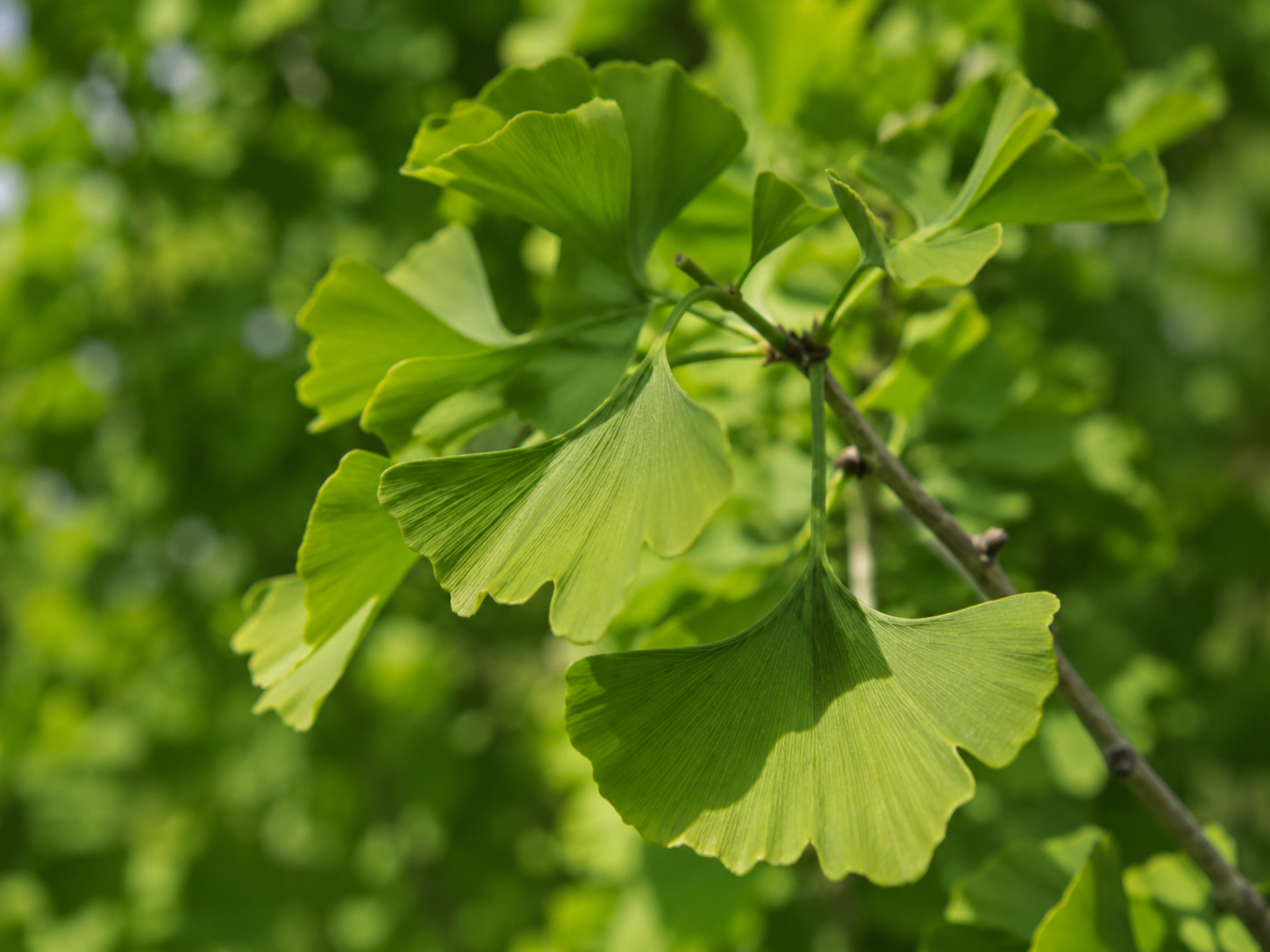
Ginkgo Leaf for Dogs and Cats: Grounded Cognitive and Cerebral Microcirculation Support
Ginkgo Leaf for Dogs and Cats: Ingredient Profile, Uses, and Safety
Explore this LivHerbals ingredient profile for Ginkgo Leaf (Ginkgo biloba). Learn about its traditional cognitive uses, pet safety facts, and research.
Understanding Ginkgo Leaf in Pet Wellness
Ginkgo Leaf (Ginkgo biloba) comes from one of the oldest living tree species on earth, with a lineage that spans more than 270 million years. Cultivated, prized, and used in traditional Chinese medicine for generations, Ginkgo has also become one of the most studied botanicals in modern herbal research. In modern pet herbal wellness, Ginkgo Leaf is primarily used to support the central nervous system, encourage healthy cerebral microcirculation, and maintain cognitive clarity. Pet parents most often encounter this botanical in veterinarian-guided wellness conversations related to senior vitality, brain health, cognitive support, memory retention, and age-related behavioral changes.
Unlike broad adaptogenic herbs that focus mainly on stress pathways, Ginkgo Leaf works through specialized vascular and neuroprotective mechanisms. It is commonly discussed for targeted support of oxygen utilization and healthy blood flow to the brain and peripheral tissues. This matters for dogs and cats because companion animals can experience natural changes in cognitive processing, sensory awareness, and responsiveness as they age. Ginkgo Leaf offers a traditional way to support their ability to stay alert, engaged, and responsive during their senior years.
Ginkgo Leaf is an active botanical rich in unique terpene lactones and flavonoids. It carries specific safety cautions related to mild antiplatelet effects, which may affect blood clotting dynamics, and its potential to interact with conventional medications. Reviews highlight its ability to inhibit platelet-activating factor, which means it deserves care, precise scaling, and careful situational use. For this reason, Ginkgo Leaf should be introduced under veterinary guidance, especially in senior pets with a history of coagulation concerns or those scheduled for surgery. It is a foundational botanical tool that builds support over time. By understanding both its cognitive-supporting qualities and its safety parameters, pet parents can make informed decisions with the supervision of their trusted veterinarian.
Ingredient Identification
-
Common name: Ginkgo, Ginkgo Leaf, Maidenhair Tree
-
Botanical name: Ginkgo biloba
-
Plant family: Ginkgaceae, Ginkgo family
-
Plant part used: Dried leaf
-
Other common names: Fossil tree, kew tree, maidenhair fern tree, Ba Guo Ye
-
Native range: China, now naturalized and cultivated globally
-
Common growing regions: Temperate climates across Asia, North America, and Europe
-
Common preparation forms: Standardized extracts, often calibrated to specific flavonoid and terpenoid percentages, alcohol-free liquid glycerites, tinctures, and dried powders
-
Main active constituents: Flavone glycosides, including quercetin, kaempferol, and isorhamnetin, terpene lactones including ginkgolides A, B, and C, bilobalide, and organic acids
Associated Pet Wellness Categories
-
Cognitive Health and Mental Clarity: Ginkgo Leaf is extensively studied for supporting normal cognitive function and mental acuity. It is often chosen when a senior pet needs help maintaining focus, recognition, and interactive behaviors during the golden years. By interacting with neurotransmitter systems and supporting cerebral tissue oxygenation, it helps support mental stamina and clarity. This makes it a relevant herbal ally for pets navigating age-related behavioral changes, confusion, or senior mental decline.
-
Cardiovascular and Microvascular Support: This leaf is traditionally used to support normal blood circulation throughout the microvasculature, especially within the brain and peripheral tissues. As pets age, small capillaries may become less efficient, slowing delivery of nutrients and oxygen. Ginkgo Leaf acts as a supportive botanical tool for vascular elasticity and healthy blood fluidity, helping the body maintain circulation and systemic vitality.
-
Antioxidant and Cellular Protection: Ginkgo Leaf is used in holistic contexts to support normal cellular health within the brain and central nervous system. Brain tissues are rich in lipids and use a large amount of the body's oxygen supply, making them vulnerable to oxidative stress over time. Ginkgo's antioxidant properties help protect delicate neural pathways and support cellular longevity.
-
Eye and Sensory Wellness: As a circulatory tonic, Ginkgo Leaf assists in maintaining normal blood flow to delicate structures of the eyes, including the retina. Aging pets may experience gradual changes in sensory sharpness and visual orientation. By supporting microvascular perfusion in ocular pathways, Ginkgo helps maintain sensory wellness and physical responsiveness from the inside out.
Common Pet Wellness Uses
-
Senior Brain and Memory Support: Ginkgo Leaf has a long, documented history of use as a cognitive-supporting botanical. In dogs, it is used for age-related behavioral shifts such as nighttime pacing, temporary disorientation, or decreased daily social interaction. For cats, it is carefully used to support senior mental sharpness and age-related environmental confusion. Research in animal models and human trials demonstrates support for information processing and memory retention. The evidence level is considered strong for general nootropic and vascular actions, though still emerging for pet-specific clinical trials.
-
Vascular and Peripheral Vitality: Ginkgo Leaf is frequently used in holistic veterinary practice for older pets requiring extra support for peripheral circulation, cold limbs, or tissue perfusion. The evidence is supported by traditional use, clinical experience, and animal-based models evaluating vascular smooth muscle behavior, which are cited in veterinary botanical texts.
-
General Neuroprotective Care: In holistic small animal practice, standardized Ginkgo Leaf extract is sometimes used to support pets with fragile or aging nervous systems, helping maintain a calm, responsive disposition and normal nerve impulse transmission during daily activities.
Best Known Herbal Actions
-
Nootropic: A nootropic supports normal cognitive function, memory, and learning pathways. As a nootropic, Ginkgo Leaf supports brain performance, neurotransmitter efficiency, glucose uptake in brain cells, and neural structure resilience during everyday wear and tear. This action is both traditionally recognized and studied.
-
Circulatory Stimulant, Cerebral: A circulatory stimulant encourages normal, healthy blood flow throughout the body. Ginkgo Leaf is especially known for supporting cerebral and peripheral microcirculation, helping ease minor vascular resistance in small capillaries and encouraging oxygen delivery to dense tissues and brain structures.
-
Platelet-Activating Factor, or PAF, Antagonist: This action refers to the herb's researched capacity to interact with specific receptors involved in maintaining normal blood fluidity. By regulating platelet-activating factor, Ginkgo Leaf assists the body in keeping a healthy platelet aggregation baseline. Because of this moving trait, it should be used with situational awareness.
-
Antioxidant: Antioxidants help protect cells from free radical damage caused by stress, environmental factors, and everyday metabolism. Through its flavone glycosides, Ginkgo Leaf helps support cellular health across multiple vital systems.
Key Constituents and Why They Matter
The primary active compounds found in Ginkgo Leaf are divided into water-soluble flavone glycosides and fat-soluble terpene lactones. The most significant include quercetin, kaempferol, ginkgolides A, B, and C, and bilobalide. These constituents are associated with the leaf's neuroprotective and vascular-supporting properties. Research indicates that flavone glycosides provide antioxidant support to delicate brain cell membranes, helping protect them from lipid peroxidation. Terpene lactones, especially ginkgolide B, act as selective inhibitors of platelet-activating factor, supporting normal blood fluidity and microvascular delivery. This means Ginkgo Leaf works through multiple pathways to support circulation, brain health, and long-term physical and mental resilience.
Western Herbalism Profile
In Western herbalism, herbs are classified by taste, energetics, and tissue affinities to guide how they interact with the body. Ginkgo Leaf is characterized by a sweet, bitter, and distinctly astringent taste. Energetically, Western herbalists consider Ginkgo Leaf neutral to slightly cooling in temperature and drying in nature. It has a pronounced tissue affinity for the brain, central nervous system, cardiovascular network, and respiratory pathways.
Western herbalists have long indicated Ginkgo Leaf for mental fatigue, poor concentration, short-term memory decline, and sluggish peripheral circulation, especially when aging or vascular tension affects normal blood flow to sensory organs. It is viewed as an herb that supports movement through vascular stagnation, tones relaxed capillary walls through its astringent nature, and restores a more balanced baseline to a tired body.
Western herbalists also maintain clear boundaries around its use. Because of its cooling, drying nature and concentrated blood-moving profile, it is formulated carefully to avoid over-drying the body's natural fluids or causing internal friction in fragile systems. It is designed as a foundational tonic during periods of age-related challenge rather than a casual everyday treat.
Traditional Chinese Medicine Profile
Ginkgo Leaf is evaluated with respect within modern Traditional Chinese Medicine (TCM) frameworks. Known traditionally as Ba Guo Ye, it has been categorized and used by contemporary TCM practitioners and holistic veterinarians to address patterns of internal stagnation and energy decline. It is important to note that ancient texts focused more heavily on Ginkgo seed, known as Bai Guo, for respiratory patterns, while modern Chinese medical practice has elevated the leaf for its blood-moving capabilities.
Through a TCM lens, practitioners view Ginkgo Leaf as having a bitter, sweet, and astringent flavor paired with neutral to cool energy. It is believed to primarily enter the Heart and Lung meridians. In TCM, the Heart governs the blood vessels and houses the "Shen," or spirit and mind, while the Lungs govern Qi and circulate it to the body's exterior layers. When a pet shows restlessness, memory slowing, or a dark tongue related to age or stress, the system is often considered affected by "Blood Stasis" and "Heart Qi Deficiency" disturbing the Shen. Ginkgo Leaf's traditional role is viewed as invigorating the Blood, dispelling Stasis, and tonifying the Heart.
Its astringent quality is also viewed as helping secure Lung Qi and stabilize internal leakage without scattering vital defenses. Despite these useful actions, TCM practitioners follow a clear rule: do not use in cases of active bleeding or internal heat patterns without stagnation. Because Ginkgo has moving energy that breaks up stasis, it is considered inappropriate in animals with fragile blood vessel stability or those carrying unborn young.
Ayurvedic Medicine Profile
While Ginkgo is native to Eastern Asia and does not appear in classical ancient Ayurvedic texts, modern Ayurvedic practitioners and holistic veterinarians sometimes analyze it using Ayurvedic principles to understand how it interacts with the three doshas: Vata, Pitta, and Kapha.
From an Ayurvedic perspective, Ginkgo Leaf is recognized for its bitter, astringent, and slightly sweet tastes (rasa), cooling energy (virya), and pungent post-digestive effect (vipaka). Its primary doshic action is strongly pacifying to Pitta and Kapha, while requiring situational monitoring for Vata. Pitta dosha rules body heat, blood, or Rakta Dhatu, and mental processing. When elevated by age or stress, it appears as tissue redness, vascular heat, and behavioral irritability. Kapha rules structure and fluid stability. When stagnant, it can appear as heavy lethargy, tissue accumulation, and slow circulation. Ginkgo Leaf's cooling, drying, and moving properties help balance these patterns by clearing Pitta heat from brain pathways, helping clear toxic accumulations known as Ama from the channels, and moving stagnant Kapha energy associated with mental fog.
Ayurvedic practitioners view Ginkgo Leaf as a neuroprotective Rasayana, or rejuvenative tonic, that helps protect Majja Dhatu, or nervous tissue, and supports Prana, or life-force energy, within the brain. Because it has an astringent taste and drying nature, it should be used with awareness in animals with high Vata imbalances marked by severe dryness, physical wasting, or brittle tissues.
Research Summary
It is important to acknowledge that double-blind, peer-reviewed clinical trials evaluating Ginkgo Leaf directly in dogs and cats are currently limited, though steadily emerging. The botanical and its standardized extracts are recognized in global pharmacological manuals for supporting animal models during cognitive and vascular challenges.
-
Animal Research: Studies in rodent models demonstrate that standardized Ginkgo Leaf extracts support spatial learning, memory retention in maze tasks, hippocampal neuron protection during aging, and healthy neurotransmitter receptor density in aging brains.
-
Human Research: Randomized, placebo-controlled, double-blind clinical trials and meta-analyses have evaluated standardized Ginkgo Leaf extract, especially calibrated EGb 761, for age-related cognitive decline, daily functional scores, short-term memory, and cerebral blood flow.
-
In Vitro Research: Laboratory studies have demonstrated that ginkgolides, especially ginkgolide B, selectively inhibit platelet-activating factor, while active flavonoids provide free radical scavenging properties that protect cellular structures from lipid peroxidation.
A significant gap remains in large-scale canine and feline clinical trials validating exact standardized pharmacokinetic parameters across breeds. Human and rodent research provides directional insight, but it does not guarantee pet efficacy or safety without veterinary guidance.
What the Research Means for Dogs
For dogs, the most relevant wellness categories for Ginkgo Leaf are senior cognitive support, microcirculation maintenance, and brain vitality. Senior dogs may experience gradual changes in mental sharpness that can appear as nighttime pacing, altered sleep-wake cycles, or reduced daily focus. The strongest support for Ginkgo Leaf's use comes from its documented role in maintaining normal cerebral blood flow and protecting neural tissues from oxidative damage, making it relevant for dogs needing cognitive support. The weakest support lies in the lack of multi-center canine clinical trials validating exact standardized extract parameters across all breeds. Due to its potential to affect blood clotting mechanisms, canine coagulation baselines should be evaluated. Ginkgo Leaf may be helpful for aging dogs, but veterinary oversight is necessary to rule out primary structural brain issues, bleeding disorders, or medication conflicts first.
What the Research Means for Cats
In cats, Ginkgo Leaf's most relevant wellness categories are senior behavioral support and sensory microvascular maintenance. Senior cats may show age-related cognitive changes through nighttime vocalization, disorientation in familiar rooms, or altered behavior. Ginkgo's neuroprotective and capillary-supporting actions may offer ongoing support for sensitive feline systems. However, cats have sensitive liver metabolism and unique processing pathways, so introducing a blood-moving botanical rich in active flavonoids requires precise serving control and lower serving sizes. Ginkgo Leaf also has a naturally bitter, astringent profile that may trigger hypersalivation, or drooling, if not masked or encapsulated. Evidence for its use in cats is supported mostly by holistic veterinary texts and clinical experience rather than feline-specific safety trials, making a veterinarian's guidance essential before introducing Ginkgo Leaf to a cat.
Forms Used in Pet Wellness
-
Tincture/Glycerite: Liquid extracts allow precise, drop-by-drop measuring, which matters for active herbs. Alcohol-free glycerites are often preferred for small animals because the natural sweetness of glycerin helps offset Ginkgo's bitter flavor.
-
Powder/Capsule: Used to deliver whole-leaf benefits or standardized extracts rich in flavone glycosides, commonly 24%, and terpene lactones, commonly 6%. Capsules may be helpful for cats and picky dogs because they bypass astringent taste receptors.
-
Topical: Ginkgo Leaf is not commonly used topically in small animal pet applications.
-
Chews: Chew formats are used in pet wellness for palatability and daily cognitive support when appropriate for the individual pet.
Safety Profile
Ginkgo Leaf is a powerful circulatory and neurological botanical, and its general safety profile requires respect. It is associated with moving the blood and may compound the actions of conventional blood-thinning medications.
-
Dogs: Generally well-tolerated, but should be monitored for mild digestive changes, increased bleeding times, or temporary restlessness if introduced too quickly.
-
Cats: Requires caution, low serving sizes, and professional monitoring due to sensitive feline liver pathways and aversion to bitter, astringent compounds.
-
Puppies, Kittens, Pregnant or Nursing Pets: Avoid entirely. There is a lack of safety data regarding developing reproductive and embryonic systems, and traditional texts recommend avoiding active blood-moving herbs during gestation.
-
Pets Scheduled for Surgery: Strong caution is required. Ginkgo Leaf should be discontinued before scheduled surgical procedures requiring anesthesia due to antiplatelet effects and the risk of prolonged bleeding times. Discuss discontinuation timing with your veterinarian.
-
Possible Adverse Effects: Mild gastrointestinal irritation, loose stools, excessive drooling due to taste, unexpected bruising, or mild lethargy if given in excess.
-
When to Stop Use: Discontinue and consult a veterinarian if the pet shows vomiting, unexpected bruising, bleeding from the gums, persistent loose stools, or profound lethargy.
Please note: Before beginning any pet supplements, herbs, or nutritional changes, consult your veterinarian first. This educational information is intended to support informed conversations with your veterinary team and should not replace professional guidance.
Contraindications
-
Pre-existing severe bleeding disorders, thrombocytopenia, hemophilia, or active internal ulcerations.
-
Upcoming major surgical procedures or general anesthesia. Discuss discontinuation timing with your veterinarian.
-
Pregnancy, lactation, and breeding animals.
-
Pets with a history of severe, unmanaged epilepsy or seizure disorders due to theoretical concerns related to trace ginkgotoxin levels found primarily in the seed, but still tracked for leaf safety.
Drug and Supplement Interactions
-
Anticoagulants and Antiplatelet Medications: Ginkgo Leaf may increase the effects of blood thinners, such as aspirin, heparin, or warfarin, raising the theoretical risk of bruising or hemorrhage.
-
NSAIDs and Corticosteroids: Ginkgo Leaf may interact with conventional non-steroidal anti-inflammatory drugs or steroids that affect vascular lining and platelet function, requiring professional monitoring.
-
Anticonvulsants: Ginkgo Leaf may theoretically interact with or alter the threshold of seizure medications, requiring veterinary evaluation if combined.
-
CYP450 Metabolized Medications: Concentrated extracts may interact with selected liver enzymes responsible for clearing conventional treatments, potentially altering medication clearance rates.
Dosage and Serving Context
Serving context depends heavily on species, weight, cardiovascular and neurological baseline, and whether the herb is prepared as raw dried leaf powder or concentrated extract standardized to specific flavone glycoside and terpene lactone content. There is no safe single generic household serving size for Ginkgo Leaf. Concentrated standardized extracts are significantly more potent than raw leaf powders. When reference ranges are used, veterinary botanical texts focus on total pet weight (mg/kg) divided daily. Ginkgo Leaf is typically given with food to minimize the cooling impact on the digestive tract and support smooth systemic integration. For the safest and most appropriate use, discuss Ginkgo Leaf with your veterinarian before giving it to your dog or cat. Your veterinarian can help evaluate your pet's health history, medications, age, cognitive status, bleeding risk, seizure history, surgery plans, and wellness goals before use.
How This Ingredient Fits into BARC Formulas
At LivHerbals, ingredients like Ginkgo Leaf are approached with care, respect for traditional use, and attention to pet-specific safety considerations. When an ingredient is used in a BARC formula, it is selected for a specific wellness purpose and balanced within the larger formula rather than treated as a standalone quick fix.
Ingredient Profile Summary
-
Best known for: Supporting normal cognitive function, memory retention, and cerebral microcirculation.
-
Most relevant pet wellness categories: Cognitive health, cardiovascular microcirculation, senior vitality, antioxidant cellular protection.
-
Most relevant herbal actions: Nootropic, cerebral circulatory stimulant, platelet-activating factor, or PAF, antagonist, antioxidant.
-
Research strength: Strong in animal and human models. Limited in large-scale clinical pet trials.
-
Main cautions: Ginkgo Leaf is supportive for senior vitality, but it should be used carefully. It may affect blood clotting pathways, should be paused before major surgeries unless directed by a veterinarian, and is contraindicated in pregnant pets or animals with pre-existing bleeding disorders. Use this herb under veterinary guidance to support your pet's safety and well-being.
Pet Parent Takeaway
Ginkgo Leaf is a traditionally revered botanical known for supporting vascular pathways, brain health, and age-related cognitive wellness. When a dog or cat is navigating the senior years, reduced daily focus, or the need for microvascular circulation support, Ginkgo Leaf may offer steady support within a broader wellness plan. It is a targeted tool rather than a casual treat. To use Ginkgo Leaf safely and appropriately, partner with your veterinarian and consider your pet's full health picture before starting any new herb or supplement.
Disclaimer: This content is for educational purposes only and is not intended to diagnose, treat, cure, or prevent any disease. Always consult your veterinarian before starting any new supplement, herb, food, or wellness routine for your pet, especially if your pet is pregnant, nursing, taking medication, has a diagnosed condition, or is under veterinary care.
References
Pet-Specific Studies and Veterinary References
-
Wynn, S. G., & Fougère, B. J. (2007). Veterinary Herbal Medicine. Mosby Elsevier.
-
Basko, I. (2004). Fresh Plant Materia Medica.
-
Silver, R. J. (2014). Veterinary Clinical Uses of Medicinal Plants. Professional Veterinary Reference Series.
Human and Animal Studies
-
Birks, J., & Grimley Evans, J. (2009). Ginkgo biloba for cognitive impairment and dementia. Cochrane Database of Systematic Reviews.
-
DeFeudis, F. V. (2003). Ginkgo biloba extract (EGb 761): From chemistry to the clinic. Advances in Therapy.
-
Smith, J. V., & Luo, Y. (2004). Studies on ginkgolides and bilobalide: Neuroprotective mechanisms in animal models. Phytomedicine.
Safety and Toxicology References
-
American Herbal Products Association (AHPA). Botanical Safety Handbook (2nd ed.).
-
European Medicines Agency (EMA). (2014). Assessment report on Ginkgo biloba L., folium. Committee on Herbal Medicinal Products (HMPC).

Written by Angela Petersen
.%20Learn%20about%20its%20traditional%20cognitive%20uses,%20pet%20safe...)