

Ginseng for Dogs and Cats: Grounded Adaptogenic Vitality and Cognitive Support
Ginseng for Dogs and Cats: Ingredient Profile, Uses, and Safety
Explore this LivHerbals ingredient profile for Ginseng (Panax ginseng and Panax quinquefolius). Learn about its traditional adaptogenic uses, safety facts, and research.
Understanding Ginseng in Pet Wellness
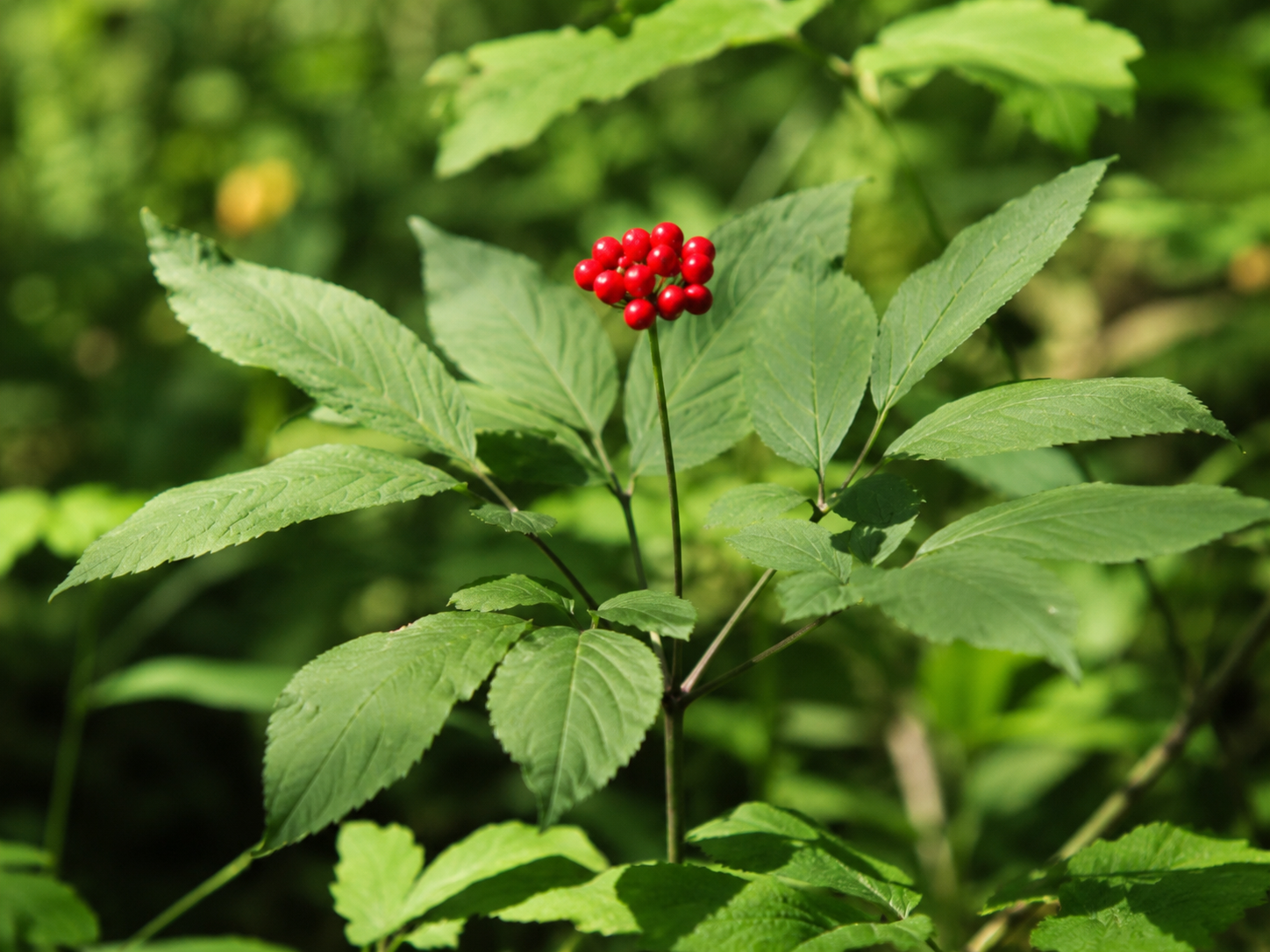
Ginseng (Panax ginseng and Panax quinquefolius) is one of the most recognized and researched botanicals in global herbal medicine. Cultivated and valued for thousands of years across East Asia and North America, true Ginseng roots have long been used as restorative tonics. In modern pet herbal wellness, Ginseng is primarily used as a high-potency adaptogen to support the nervous system, encourage physical endurance, and maintain cognitive performance. Pet parents most often encounter this root in veterinarian-guided wellness conversations related to senior vitality, recovery support, stress response, endurance, immune readiness, and cognitive wellness.
It is important to make one clear distinction for pet parents: true Ginseng belongs to the Panax genus, most commonly represented by Asian Ginseng (Panax ginseng) and American Ginseng (Panax quinquefolius). Other botanicals, such as Eleuthero, are sometimes nicknamed "Siberian Ginseng," but they belong to different plant genera and have different chemical profiles. True Panax Ginseng roots contain a concentrated matrix of active compounds that work gradually to nourish the body's internal feedback loops, helping active and aging companions maintain their natural baseline of physical and mental energy.
Ginseng is a highly active botanical. It carries specific safety cautions related to its potential to elevate blood pressure in some pets, alter blood glucose dynamics, and interact with conventional medications. Reviews highlight its active saponins, which means it deserves care, precise scaling, and careful situational selection. For this reason, Ginseng should be introduced under veterinary guidance, especially in animals with pre-existing cardiovascular, endocrine, or metabolic challenges. It is a foundational botanical tool that builds resilience over time. By understanding both its supportive qualities and its safety parameters, pet parents can make informed decisions with the supervision of their trusted veterinarian.
Ingredient Identification
-
Common name: Ginseng, True Ginseng
-
Botanical name: Panax ginseng, also known as Asian or Korean Ginseng, and Panax quinquefolius, also known as American Ginseng
-
Plant family: Araliaceae, Ginseng family
-
Plant part used: Dried root, typically harvested after four to six years of growth
-
Other common names: Ren Shen, Asian Ginseng; Xi Yang Shen, American Ginseng; Korean red ginseng; five-fingers
-
Native range: Panax ginseng is native to the mountain forests of Northeastern China, Korea, and Far Eastern Russia. Panax quinquefolius is native to the deciduous forests of Eastern North America.
-
Common growing regions: Shaded forest ecosystems and regulated agricultural farms in South Korea, China, Canada, and the United States
-
Common preparation forms: Standardized extracts calibrated to specific ginsenoside percentages, alcohol-free liquid glycerites, tinctures, water decoctions, and dried powders
-
Main active constituents: Triterpenoid saponins known as ginsenosides, including Rb1, Rg1, Rc, and Rd, polysaccharides known as panaxans, flavonoids, volatile oils, and polyacetylenes
Associated Pet Wellness Categories
-
Physical Vitality and Endurance Support: Ginseng is extensively studied for supporting normal physical stamina, muscle recovery, and healthy cellular energy levels. Active working dogs, sporting breeds, or animals recovering from physical exhaustion may benefit from the root's restorative properties. It acts gradually to support systemic endurance, helping the body process physical stress and maintain a healthy, active baseline without sudden spikes or crashes in energy.
-
Cognitive Function and Mental Sharpness: This root is traditionally used to support cognitive clarity, mental focus, and normal brain vitality in aging pets. Senior dogs and cats may face age-related mental fog, altered sleep-wake cycles, or behavioral confusion. Ginseng's neuroprotective properties help support delicate neural pathways from oxidative wear, helping aging companions maintain daily recognition and interaction.
-
Stress Adaptation and Adrenal Support: As an adaptogen, Ginseng helps the body adapt to physical, emotional, and environmental stressors. It interacts with the hypothalamic-pituitary-adrenal axis to support normal cortisol patterns, allowing dogs and cats to feel more grounded, adaptable, and balanced through changing life circumstances.
-
Immune System Resilience: Ginseng is widely used in holistic contexts to support normal, balanced immune system function. Because chronic emotional or physical strain can affect an animal's natural defenses, Ginseng's active polysaccharides help support the underlying immune framework and healthy cellular defense pathways during environmental challenges.
Common Pet Wellness Uses
-
Senior Vitality and Age-Related Fatigue: Ginseng has a long, documented history of use as a restorative botanical for aging bodies. In dogs, it is used for age-related behavioral changes, morning stiffness, or generalized physical slowing. For cats, it is carefully used in highly calculated formulations to support senior mental sharpness and physical agility. Research in animal models and human trials demonstrates support for information processing and stamina. The evidence level is considered strong for general adaptogenic and nootropic actions, though still emerging for pet-specific clinical trials.
-
Post-Exertion Recovery and Stamina: In holistic canine practice, Ginseng powder or extract is sometimes used to support active sporting dogs, herding breeds, or agility competitors, using its role in oxygen utilization and normal muscle comfort after strenuous performance.
-
Long-Term Environmental Adaptation: Ginseng is frequently used in holistic veterinary practice for pets navigating prolonged situational stress, changes in the home environment, or generalized nervousness, helping maintain a steady behavioral baseline.
Best Known Herbal Actions
-
Adaptogen: An adaptogen is a botanical that helps the body adapt to stress and supports normal homeostatic balance. Ginseng encourages systemic resilience and helps support the body's internal balance during stress, fatigue, or age-related change.
-
Tonic and Rejuvenative: A tonic is traditionally used to restore, tone, and support specific organs or full systemic structures over time. Ginseng functions as a slow-acting systemic rejuvenative, nourishing the body's reserves and supporting long-term structural and physical vitality.
-
Immunomodulator: Immunomodulators help support normal, balanced immune system function. Ginseng encourages the body's natural defenses to remain alert and respond appropriately to external challenges, helping the immune network engage when needed and rest when appropriate.
Key Constituents and Why They Matter
The primary active compounds found in Ginseng root are a diverse group of triterpenoid saponins known as ginsenosides, or panaxosides, along with complex immunomodulating polysaccharides. These constituents are associated with the root's earthy profile and stress-balancing properties. Research indicates that ginsenosides are often grouped into two major categories based on structure: protopanaxadiols, such as Rb1, which are generally associated with grounding, calming, and neuroprotective support, and protopanaxatriols, such as Rg1, which are generally associated with vitality, alertness, and stimulation. The ratio of these ginsenosides influences the root's energetic effect on the nervous and endocrine systems. This protective, fortifying action builds gradually over weeks of consistent use, supporting long-term physical and mental resilience.
Western Herbalism Profile
In Western herbalism, herbs are classified by taste, energetics, and tissue affinities to guide how they interact with the body. Ginseng root is characterized by a sweet, mildly bitter, earthy, and warm taste. Energetically, Western herbalists consider Asian Ginseng (Panax ginseng) warming and drying in nature, making it more stimulating to metabolic functions. American Ginseng (Panax quinquefolius) is generally viewed as cooling and moistening, offering a more calming, fluid-sparing profile. Ginseng has a pronounced tissue affinity for the endocrine system, especially the adrenal glands, along with the central nervous system, heart, and immune pathways.
Western herbalists have long indicated Ginseng for deep physical exhaustion, nervous debility, chronic burnout, and poor physical stamina, especially when prolonged environmental or situational stress has drained the body's reserves. It is viewed as an herb that supports a sluggish metabolism and restores a steadier baseline to a tired body.
Western herbalists also maintain clear boundaries around its use. Because of its active, moving energy and concentrated ginsenoside fractions, Ginseng is formulated to work gradually over time as a daily tonic rather than as a sudden emergency intervention. Herbalists advise that the warming traits of Asian Ginseng should be monitored in animals with hot, irritable temperaments, while American Ginseng may be preferred when a pet needs more grounding moisture and calm support.
Traditional Chinese Medicine Profile
Ginseng is one of the most celebrated classical herbs in the Traditional Chinese Medicine (TCM) materia medica, where it is often treated as a premier tonic. TCM views Asian Ginseng, known as Ren Shen, and American Ginseng, known as Xi Yang Shen, as separate tools based on their different energetic behaviors. Both have been used for generations to support patterns of depletion.
Through a TCM lens, Ren Shen, or Asian Ginseng, is viewed as having a sweet, slightly bitter flavor and slightly warm energy, entering primarily the Spleen and Lung meridians. Its traditional role is to strongly tonify Yuan Qi, or Original Qi, tonify Spleen and Lung Qi, generate vital fluids, and calm the Shen, or spirit and mind. It is used when a pet shows profound physical weakness, cold limbs, low stamina, or behavioral restlessness related to age or shock.
Xi Yang Shen, or American Ginseng, is viewed as having a sweet, bitter flavor and cool energy, entering the Lung and Kidney pathways. Its role is to tonify Qi while nourishing Yin and clearing Fire, making it more appropriate for patterns involving internal heat, panting, or chronic dryness.
Despite these useful actions, TCM practitioners follow a clear principle: do not use strong tonics during the acute early stage of a sudden infectious illness or high fever unless specifically directed by a qualified practitioner. In traditional terms, strong tonics may "trap" an active external pathogen. Ginseng is generally used to help build resilience before an illness or support recovery after the acute phase has passed, not as a casual intervention during acute feverish illness.
Ayurvedic Medicine Profile
While true Ginseng is native to East Asia and North America and is not a classical plant found in the ancient Ayurvedic pharmacopeia, modern Ayurvedic practitioners and holistic veterinarians often analyze the root using Ayurvedic principles to understand how it interacts with the three doshas: Vata, Pitta, and Kapha.
From an Ayurvedic perspective, Asian Ginseng is recognized for its sweet and bitter tastes (rasa), warming energy (virya), and sweet post-digestive effect (vipaka), acting to strongly pacify Vata and Kapha while potentially increasing Pitta if used in excess. American Ginseng is viewed as having cooling energy and a sweet post-digestive effect, making it more supportive for Pitta and Vata patterns. Vata dosha rules the nervous system, communication, and movement. When aggravated by aging, change, or ongoing stress, it appears as fear, anxiety, erratic energy, and physical wasting. Kapha rules structure and fluid stability. When stagnant, it appears as heavy lethargy and mental fog.
Ayurvedic practitioners view Ginseng as a modern Rasayana, or rejuvenative tonic, that helps build Ojas, the essential essence of immunity, vitality, and inner strength, and supports Prana, or life-force energy, within the nervous tissue. Because Asian Ginseng is warming, it should be used with awareness in animals with high Pitta imbalances marked by active skin inflammation, acidic digestion, or hot temperaments. In those cases, the cooling nature of American Ginseng may be more appropriate when guided by a professional.
Research Summary
It is important to acknowledge that double-blind, peer-reviewed clinical trials evaluating Ginseng directly in dogs and cats are currently limited, though steadily growing. The botanical and its isolated ginsenosides are recognized in global pharmacological manuals for supporting animal models during physical and environmental stress challenges.
-
Animal Research: Studies in rodent and small animal models demonstrate that Ginseng extracts support physical endurance, running or swimming time to exhaustion, bone marrow cell resilience under stress, spatial learning, and normal blood glucose and cortisol markers under challenging conditions.
-
Human Research: Randomized, placebo-controlled, double-blind clinical trials have evaluated Ginseng extract for chronic fatigue, cardiovascular function, oxygen consumption during exercise, cognitive function, learning speed, and memory under psychological stress.
-
In Vitro Research: Laboratory studies have demonstrated that ginsenosides provide neuroprotective support, help protect neural cells from oxidative wear, support immune cell markers including T-lymphocytes and natural killer cells, and help maintain normal cellular life cycles across tissue types.
A significant gap remains in large-scale companion animal clinical trials validating exact standardized pharmacokinetic parameters across breeds. Human and rodent research provides directional insight, but it does not guarantee pet efficacy or safety without veterinary guidance.
What the Research Means for Dogs
For dogs, the most relevant wellness categories for Ginseng are senior vitality maintenance, chronic environmental stress response support, and athletic recovery. Large breeds, working dogs, and senior dogs may experience physical slowing or emotional wear that affects daily quality of life. The strongest support for Ginseng's use comes from its documented ability to support physical stamina and nervous system resilience during cortisol-related stress, making it relevant for dogs needing endurance support. The weakest support lies in the lack of large, multi-center canine clinical trials validating exact extract parameters across all breeds. Due to its potential to mildly elevate blood pressure in certain hypertensive profiles, canine cardiovascular status should be evaluated. Ginseng may be helpful for aging or active dogs, but veterinary oversight is necessary to rule out primary endocrine or cardiac disorders first.
What the Research Means for Cats
In cats, Ginseng requires high caution and precise, calculated use. Cats have a sensitive endocrine network, and their liver processing pathways can make them reactive to active plant saponins and concentrated botanical compounds. While senior cats experiencing cognitive slowing, lethargy, or behavioral changes could theoretically benefit from the grounding and regulating properties of this root, there is a lack of feline-specific safety trials. Ginseng also has an earthy, slightly bitter profile that may trigger hypersalivation, or drooling, and food avoidance if not hidden within a palatable delivery system or capsule. Evidence for its use in cats is supported mostly by holistic veterinary texts and clinical experience rather than feline-specific safety trials, making a veterinarian's guidance essential before introducing Ginseng to a cat.
Forms Used in Pet Wellness
-
Tincture/Glycerite: Liquid extracts allow precise, drop-by-drop measuring, which matters for active herbs. Alcohol-free glycerites are often preferred for small animals because the natural sweetness of glycerin helps offset Ginseng's strong flavor.
-
Powder/Capsule: Used to deliver whole-root benefits or standardized extracts rich in total ginsenosides, commonly calibrated to percentages such as 4% or 7%. This form may be mixed into wet food or raw diets for daily administration when appropriate.
-
Topical: Ginseng is not commonly used topically in small animal pet applications.
-
Chews: Chew formats are used in pet wellness for palatability and daily adaptogenic administration when appropriate for the individual pet.
Safety Profile
Ginseng is a deep-acting adaptogenic botanical, and its general safety profile requires respect. It is associated with endocrine axes, glycemic pathways, vascular tone, and mild antiplatelet effects.
-
Dogs: Generally well-tolerated for long-term use, but should be introduced gradually and monitored for changes in baseline energy, blood pressure, or digestion.
-
Cats: Requires high caution, low serving sizes, and professional monitoring due to sensitive feline endocrine systems and liver processing constraints.
-
Puppies, Kittens, Pregnant or Nursing Pets: Avoid entirely. There is a lack of safety data regarding developing reproductive and embryonic systems, and traditional texts advise against deep adaptogenic tonics during gestation due to theoretical estrogenic activity found in selected ginsenoside fractions.
-
Pets Scheduled for Surgery: Strong caution is required. Ginseng should be discontinued before scheduled surgical procedures requiring anesthesia due to mild antiplatelet effects and the theoretical risk of prolonged bleeding times. Discuss discontinuation timing with your veterinarian.
-
Possible Adverse Effects: Mild gastrointestinal irritation during initial introduction, temporary changes in sleep patterns if given too late in the evening, or mild elevations in heart rate and blood pressure if given in excess.
-
When to Stop Use: Discontinue and consult a veterinarian if the pet shows vomiting, unexpected behavioral irritability, signs of cardiovascular distress, or sudden refusal to eat.
Please note: Before beginning any pet supplements, herbs, or nutritional changes, consult your veterinarian first. This educational information is intended to support informed conversations with your veterinary team and should not replace professional guidance.
Contraindications
-
Pre-existing severe, unmanaged hypertension, advanced organic heart disease, or active bleeding disorders.
-
Active, uncompensated autoimmune crises or concurrent use with heavy immunosuppressive regimens unless specifically supervised by a veterinarian.
-
Pregnancy, lactation, and breeding animals.
-
Acute, high-fever illnesses or the early onset of sudden infectious conditions according to traditional tonic-use cautions.
Drug and Supplement Interactions
-
Diabetes Medications and Insulin: Ginseng has documented hypoglycemic properties and may support lower blood glucose levels. If combined with prescription insulin or oral diabetes drugs, it may increase the theoretical risk of hypoglycemia, requiring veterinary monitoring and possible medication adjustment.
-
Anticoagulants and Antiplatelet Medications: Ginseng may theoretically interact with blood thinners, such as aspirin, heparin, or warfarin, due to mild antiplatelet activity observed in isolated trials, requiring professional monitoring to avoid prolonged clotting times.
-
Immunosuppressants: Because Ginseng has immunomodulating and immune-supporting properties, it may interfere with the intended goals of prescription immune-suppressing therapies like corticosteroids or cyclosporine unless directed by a veterinarian.
-
MAO Inhibitors and Sedatives: Ginseng may alter the baseline response to conventional behavioral pharmaceuticals or central nervous system depressants due to its effects on neurotransmitter pathways.
Dosage and Serving Context
Serving context depends heavily on species, weight, individual metabolic baseline, and whether the herb is prepared as raw dried root powder or concentrated extract standardized to specific ginsenoside percentages. There is no safe generic single household serving size for Ginseng. Concentrated standardized extracts deliver much higher biological activity per volume than raw ground root powders. When reference ranges are used, veterinary botanical texts focus on total pet weight (mg/kg) divided daily. Ginseng is typically given consistently with a morning or early afternoon meal to support digestion and avoid disrupting evening rest. For the safest and most appropriate use, discuss Ginseng with your veterinarian before giving it to your dog or cat. Your veterinarian can help evaluate your pet's health history, medications, age, cardiovascular status, blood glucose status, immune status, energy patterns, and wellness goals before use.
How This Ingredient Fits into BARC Formulas
At LivHerbals, ingredients like Ginseng are approached with care, respect for traditional use, and attention to pet-specific safety considerations. When an ingredient is used in a BARC formula, it is selected for a specific wellness purpose and balanced within the larger formula rather than treated as a standalone quick fix.
Ingredient Profile Summary
-
Best known for: Adaptogenic stress resilience, physical stamina, and senior cognitive vitality.
-
Most relevant pet wellness categories: Stress response support, physical endurance, cognitive health, immune system maintenance.
-
Most relevant herbal actions: Adaptogen, tonic and rejuvenative, immunomodulator.
-
Research strength: Strong in animal and human models. Limited in large-scale clinical pet trials.
-
Main cautions: Ginseng is generally well-tolerated when used appropriately, but it should be used carefully. It may affect blood glucose and blood pressure, should not be combined casually with insulin or anticoagulants, should be paused before major surgeries unless directed by a veterinarian, and is contraindicated in pregnant pets or animals with unmanaged severe hypertension. Use this herb under veterinary guidance to support your pet's safety and well-being.
Pet Parent Takeaway
Ginseng is a traditionally revered botanical known for supporting stress pathways, physical stamina, immune readiness, and the demands of cognitive aging. When a dog or cat is navigating the senior years, ongoing environmental stressors, or the need for steady vitality support, Ginseng may offer gradual support within a broader wellness plan. It is an everyday builder that works slowly and systematically over time. To use Ginseng safely and appropriately, partner with your veterinarian and consider your pet's full health picture before starting any new herb or supplement.
Disclaimer: This content is for educational purposes only and is not intended to diagnose, treat, cure, or prevent any disease. Always consult your veterinarian before starting any new supplement, herb, food, or wellness routine for your pet, especially if your pet is pregnant, nursing, taking medication, has a diagnosed condition, or is under veterinary care.
References
Pet-Specific Studies and Veterinary References
-
Wynn, S. G., & Fougère, B. J. (2007). Veterinary Herbal Medicine. Mosby Elsevier.
-
Basko, I. (2004). Fresh Plant Materia Medica.
-
Silver, R. J. (2014). Veterinary Clinical Uses of Medicinal Plants and Adaptogens. Professional Veterinary Reference Series.
Human and Animal Studies
-
Attele, A. S., Wu, J. A., & Yuan, C. S. (1999). Ginseng pharmacology: Multiple constituents and multiple actions. Biochemical Pharmacology.
-
Vogler, B. K., Pittler, M. H., & Ernst, E. (1999). The efficacy of ginseng: A systematic review of randomized clinical trials. European Journal of Clinical Pharmacology.
-
Scaglione, F., et al. (1996). Efficacy and safety of the standardized Ginseng extract G115 for modulating immune parameters. Drugs under Experimental and Clinical Research.
Safety and Toxicology References
-
American Herbal Products Association (AHPA). Botanical Safety Handbook (2nd ed.).
-
European Medicines Agency (EMA). (2014). Assessment report on Panax ginseng C.A. Meyer, radix. Committee on Herbal Medicinal Products (HMPC).

Written by Angela Petersen
.%20Learn%20about%20its%20traditional%20adaptoge...)