

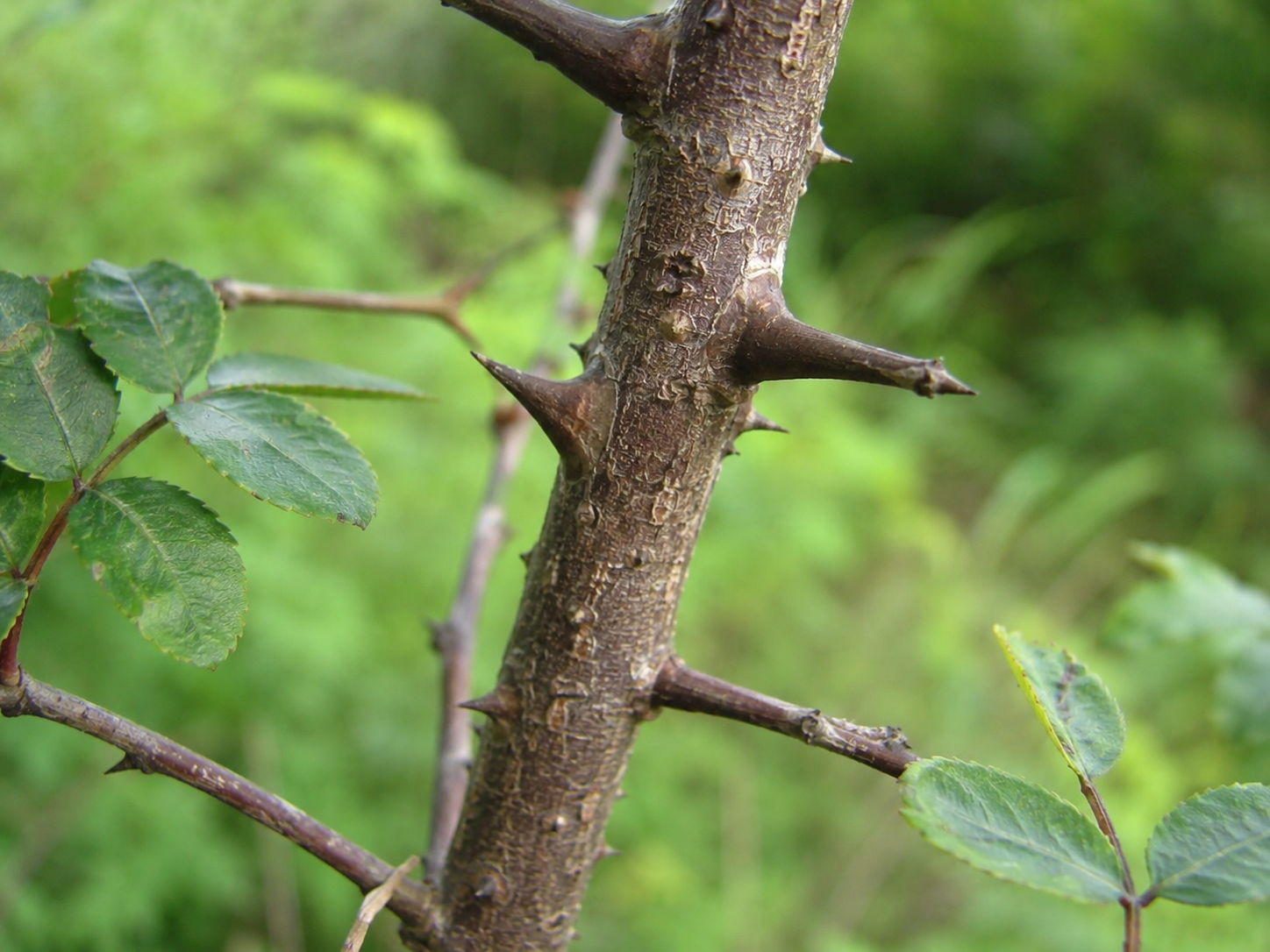
Prickly Ash Bark for Dogs and Cats: Grounded Microcirculation and Warming Vitality Support
Prickly Ash Bark for Dogs and Cats: Ingredient Profile, Uses, and Safety
Explore this LivHerbals ingredient profile for Prickly Ash Bark (Zanthoxylum americanum). Learn about its traditional circulatory uses, pet safety facts, and research.
Understanding Prickly Ash Bark in Pet Wellness
Prickly Ash Bark (Zanthoxylum americanum and Zanthoxylum clava-herculis) is a traditional North American botanical native to woodlands, thickets, riverbanks, and rocky hillsides. It has also been called the "Toothache Tree" because of the tingling sensation its bark can create on the tongue and oral tissues. Both northern and southern varieties have been used in traditional herbalism for circulation, warming support, and digestive stimulation. In modern pet herbal wellness, the dried inner bark is primarily discussed for supporting peripheral circulation, healthy blood flow to the extremities, normal gastrointestinal secretions, and senior mobility comfort. Pet parents most often encounter this botanical in veterinarian-guided wellness conversations related to cold limbs, senior vitality, sluggish digestion, winter stiffness, and circulatory support.
Prickly Ash Bark is a warming, stimulating botanical. It is traditionally used when the body appears cold, slow, or stagnant rather than hot, inflamed, or overstimulated. This matters for dogs and cats because aging pets may experience changes in circulation, tissue warmth, digestion, and mobility, especially during cold or damp seasons. Prickly Ash Bark offers a traditional way to support warmth, movement, and digestive activity when used carefully.
Prickly Ash Bark is an active vascular and digestive botanical. It contains tingling alkylamides and bitter alkaloids that can stimulate oral sensation, saliva, gastric secretions, and circulation. Because of this, it carries safety cautions related to sensitive stomachs, gastric irritation, pregnancy, nursing, surgery, blood-thinning medications, and strong flavor sensitivity, especially in cats. It should be used carefully, in pet-appropriate forms, and under veterinary guidance. By understanding both its warming qualities and its safety parameters, pet parents can make informed decisions with the supervision of their trusted veterinarian.
Ingredient Identification
-
Common name: Prickly Ash Bark, Toothache Tree, Northern Prickly Ash
-
Botanical name: Zanthoxylum americanum, Northern variety, and Zanthoxylum clava-herculis, Southern variety
-
Plant family: Rutaceae, Citrus family
-
Plant part used: Dried inner bark
-
Other common names: Yellow wood, suterberry, pellitory bark, chou-po, Hua Jiao, related genus
-
Native range: Central and Eastern North America, extending from Canada to the Gulf Coast
-
Common growing regions: Moist woods, riverbanks, rocky hillsides, and certified organic woodlands
-
Common preparation forms: Alcohol-free liquid glycerites, tinctures, water decoctions, and dried bark powders
-
Main active constituents: Alkylamides including herculin and various sanshools, isoquinoline alkaloids including chelerythrine, nitidine, and magnoflorine, coumarins including xanthyletin, volatile oils, resins, and tannins
Associated Pet Wellness Categories
-
Circulatory and Vascular Support: Prickly Ash Bark is traditionally valued for supporting normal peripheral blood flow and vascular function. It is often discussed when a senior pet needs help maintaining warmth, tissue oxygenation, and stamina in the limbs. By supporting peripheral circulation, it may help dogs and cats maintain healthier circulatory dynamics in the extremities.
-
Digestive Fire and Gastric Secretion Support: This bark is traditionally used to support normal gastrointestinal function and a healthy appetite, especially in sluggish or aging animals. Its pungent and bitter compounds interact with local taste and digestive receptors, helping support saliva, stomach acid, and digestive secretions. This may be useful in wellness conversations involving nutrient breakdown and digestive sluggishness.
-
Lymphatic Clearing and Alterative Support: As a classic alterative botanical, Prickly Ash Bark is traditionally used to support lymphatic movement and metabolic elimination pathways. The lymphatic system helps move immune cells and clear cellular waste from tissues. Prickly Ash Bark may help support steady fluid movement through these pathways when the system feels slow or stagnant.
-
Joint and Musculoskeletal Comfort: By supporting microcirculation and warmth, Prickly Ash Bark may indirectly support joint flexibility and connective tissue comfort. Tendons, ligaments, and older joint capsules can feel stiff or cold during winter weather or advanced aging. This bark is traditionally used to bring warmth and movement into dense structural tissues.
Common Pet Wellness Uses
-
Senior Peripheral Circulation and Cold Extremities: Prickly Ash Bark has a long history of traditional use for cold, sluggish vascular patterns. In dogs, it is discussed for age-related slowing, cold hind limbs, or reluctance to exercise during damp winter seasons. For cats, it requires careful, low, diluted, and professionally guided use because of taste sensitivity and feline metabolic considerations. The evidence level is considered strong for traditional warming mechanisms, though still emerging for pet-specific clinical trials.
-
Salivary and Digestive Secretion Stimulation: Prickly Ash Bark is used in holistic veterinary practice for senior pets experiencing dry mouth, slow appetite, or sluggish stomach activity. The evidence is supported by traditional use and animal-based models evaluating bitter and acrid taste receptor reflexes.
-
Chronic Structural Stagnation Support: In holistic canine practice, full-spectrum Prickly Ash Bark powder or liquid extract is sometimes discussed for mobility routines when older tissues or limbs feel cold, slow, or stiff due to inactivity or everyday aging.
Best Known Herbal Actions
-
Circulatory Stimulant, Warming: A circulatory stimulant encourages normal blood flow toward the periphery and surface of the body. Prickly Ash Bark is traditionally used to awaken sluggish capillary networks and support warmth and oxygen delivery to the limbs and tissues.
-
Sialagogue: A sialagogue stimulates normal saliva secretion. The alkylamides in Prickly Ash Bark trigger a characteristic tingling sensation in the mouth and encourage digestive fluid release, supporting the first stage of digestion.
-
Alterative: In traditional Western herbalism, an alterative supports the body's natural mechanisms of waste elimination through the lymphatic, liver, skin, and bowel pathways.
-
Carminative: Carminative herbs support normal digestion, assist with occasional gas, and help soothe minor intestinal tension by encouraging a comfortable smooth muscle baseline in the digestive tract.
Key Constituents and Why They Matter
The primary active compounds in Prickly Ash Bark are lipophilic alkylamides and isoquinoline alkaloids. The most recognized alkylamides include herculin and various sanshool derivatives. These compounds are responsible for the bark's biting, fiery taste, its tingling oral sensation, and its traditional circulatory-stimulating properties.
Research suggests these alkylamides interact with sensory nerve endings and receptors involved in local blood flow and salivary reflexes. Companion alkaloids, including chelerythrine and nitidine, are studied for roles in normal inflammatory response and antioxidant pathways. Because these compounds are active and stimulating, Prickly Ash Bark should be treated as a targeted botanical rather than a casual daily additive.
Western Herbalism Profile
In Western herbalism, herbs are classified by taste, energetics, and tissue affinities to guide how they interact with the body. Prickly Ash Bark is characterized by an intensely pungent, acrid, and bitter taste that creates a distinct tingling or vibrating sensation on the oral mucous membranes. Energetically, Western herbalists consider Prickly Ash Bark hot and drying. It has a strong tissue affinity for the cardiovascular system, peripheral blood vessels, nervous system, digestive tract, and lymphatic channels.
Western herbalists have long indicated Prickly Ash Bark for deep internal cold, vascular stagnation, sluggish digestion, cold joint stiffness, and lymphatic sluggishness. It is viewed as an herb that warms cold patterns, supports blood flow to the limbs and digestive core, and helps restore movement to a slow or restricted system.
Western herbalists also maintain clear boundaries around its use. Because of its pungent taste and hot, drying energy, Prickly Ash Bark should be used carefully in pets with hot constitutions, acidic stomachs, active gastritis, ulcers, dry tissues, or inflammatory heat patterns. It is often used in low, precise amounts and may be balanced with moistening or buffering herbs.
Traditional Chinese Medicine Profile
Prickly Ash Bark (Zanthoxylum americanum) is native to North America and is not a classical early Chinese herb. However, it is closely related to Eastern Zanthoxylum species such as Hua Jiao, also known as Sichuan pepper. Modern Traditional Chinese Medicine (TCM) practitioners and holistic veterinarians may evaluate Prickly Ash Bark using similar energetic principles.
Through a TCM lens, Prickly Ash Bark is viewed as pungent, biting, and hot. It is believed to primarily enter the Spleen, Stomach, and Kidney meridians. In TCM, the Spleen rules digestion and the transformation of food into Qi, while the Kidneys store foundational Yang energy related to warmth, aging, and vitality.
When a pet shows cold ears or limbs, pale tongue, abdominal discomfort, sluggish digestion, or age-related slowing, the pattern may be viewed as "Spleen and Kidney Yang Deficiency" with "Internal Cold Stagnation." Prickly Ash Bark's traditional role is viewed as warming the Middle Jiao, dispersing internal Cold, moving Dampness, and supporting Kidney Yang.
Despite these useful actions, TCM practitioners caution against use in severe Yin deficiency with active internal heat. If a pet shows chronic panting, dry red mucous membranes, hot skin redness, or heat-driven inflammation without cold stagnation, the hot nature of Prickly Ash Bark may be inappropriate.
Ayurvedic Medicine Profile
While Prickly Ash Bark is native to North American woodlands and is not a classical plant in the ancient Ayurvedic pharmacopeia of tropical India, modern Ayurvedic practitioners and holistic veterinarians sometimes analyze this botanical using Ayurvedic principles.
From an Ayurvedic perspective, Prickly Ash Bark is recognized for its pungent (Katu) and bitter (Tikta) tastes, heating energy (virya), and pungent post-digestive effect (vipaka). Its primary doshic action is strongly pacifying to Vata and Kapha, while potentially increasing Pitta if used incorrectly or in excess. Vata dosha rules movement, coldness, and the nervous system. When aggravated by aging, it may appear as cold extremities, trembling, and gassy or unpredictable digestion. Kapha rules structure and fluid stability. When stagnant, it may appear as heaviness, slow circulation, and fluid accumulation.
Prickly Ash Bark's hot, sharp, and light properties help balance cold Vata and stagnant Kapha patterns by rekindling Agni, the digestive fire, warming cold tissues, and helping clear Ama, or toxic metabolic accumulation. Because it is hot and sharp, it should be used carefully in animals with high Pitta patterns, such as active skin heat, acidic digestion, irritability, or inflammation.
Research Summary
It is important to acknowledge that double-blind, peer-reviewed clinical trials evaluating Prickly Ash Bark directly in dogs and cats are currently limited, though steadily emerging. The botanical and its tingling alkylamides are recognized in holistic veterinary manuals for circulatory and digestive support.
-
Animal Research: Studies in rodent and laboratory models have evaluated Prickly Ash Bark extracts and isolated alkylamides for peripheral microvascular perfusion, blood flow velocity, and gastrointestinal smooth muscle regulation.
-
Human Research: Clinical evaluations and ethnobotanical reviews have discussed Prickly Ash Bark for peripheral vascular maintenance, healthy blood flow patterns, and temporary structural stiffness associated with cold weather.
-
In Vitro Research: Laboratory studies have evaluated alkaloids such as chelerythrine and coumarins in Prickly Ash Bark for antioxidant activity, endothelial cell protection, and enzyme pathway modulation.
A significant gap remains in large-scale canine and feline clinical trials validating exact oral pharmacokinetic parameters. Human, rodent, and laboratory research provides directional insight, but it does not guarantee pet efficacy or safety without veterinary guidance.
What the Research Means for Dogs
For dogs, the most relevant wellness categories for Prickly Ash Bark are senior peripheral circulation, joint warming comfort, and gastric motility support. Aging dogs, especially large breeds or senior dogs prone to cold hind-limb stiffness, may experience changes in circulation that affect comfort during walks, stairs, or winter weather. The strongest support for Prickly Ash Bark's use comes from its traditional role in supporting normal peripheral blood flow and warming cold structural tissues. The weakest support lies in the lack of large, multi-center canine clinical trials validating exact extract serving ranges. Due to its pungent and warming nature, stomach tolerance and taste acceptance should be monitored. Veterinary oversight is important to rule out heart disease, vascular disease, pain, neurological weakness, or joint injury that requires medical care.
What the Research Means for Cats
In cats, Prickly Ash Bark requires significant caution, precise scaling, and professional guidance. Cats have sensitive liver metabolism and strong taste aversions, especially to pungent, bitter, and tingling compounds. Because Prickly Ash Bark contains alkylamides that create a strong mouth-tingling sensation, raw or concentrated forms may trigger drooling, foaming, or food refusal. While its circulatory and digestive warming qualities may be relevant for aging cats with sluggish patterns, the herb should not be given to cats unless it is professionally formulated, heavily diluted, alcohol-free, encapsulated, or otherwise designed to bypass taste sensitivity. Evidence for use in cats is based mainly on holistic veterinary texts and clinical experience, making veterinary guidance essential.
Forms Used in Pet Wellness
-
Tincture/Glycerite: Liquid extracts allow precise, weight-based measuring, which matters for active herbs. Alcohol-free glycerites are often preferred for small animals because the sweetness of glycerin helps offset Prickly Ash Bark's pungent, tingling flavor.
-
Powder/Capsule: Used to deliver whole-bark benefits and full-spectrum alkaloid fractions. Capsules may help cats and picky dogs bypass the acrid taste and reduce oral tingling.
-
Topical Salves or Liniments: Infused oils or bark extracts are sometimes used in holistic practice as local warming rubs for cold joint capsules or stiff muscles. Topical use should be pet-safe, properly diluted, and should not replace veterinary care for injury, swelling, wounds, or pain.
-
Chews: Chew formats may be used in dog wellness for palatability and circulatory support when appropriate for the individual pet.
Safety Profile
Prickly Ash Bark is a stimulating vascular and digestive botanical, and its safety profile requires respect. It is associated with moving blood, increasing gastric secretions, and creating oral tingling sensations.
-
Dogs: Generally well-tolerated when introduced gradually at appropriate, pet-scaled serving sizes. Dogs should be monitored for temporary heartburn, drooling, nausea, or stomach discomfort if given in excess.
-
Cats: Requires caution, low serving sizes, and strong flavor masking due to feline taste sensitivity, liver-processing differences, and tendency to drool if exposed to alkylamides.
-
Puppies, Kittens, Pregnant or Nursing Pets: Avoid entirely. Traditional texts note that Prickly Ash Bark may carry emmenagogue properties and may affect uterine tone, making it inappropriate during pregnancy, nursing, and early development.
-
Pets Scheduled for Surgery: Strong caution is required. Prickly Ash Bark should be discontinued before scheduled surgical procedures requiring anesthesia because of its blood-moving nature and theoretical effect on bleeding times. Discuss discontinuation timing with your veterinarian.
-
Possible Adverse Effects: Mild gastric irritation, temporary nausea, drooling or spitting due to the tingling taste, loose stools, or heartburn if given on an empty stomach.
-
When to Stop Use: Discontinue and consult a veterinarian if the pet shows persistent vomiting, bleeding from the gums, unexpected bruising, severe drooling, black stools, weakness, or sudden refusal to eat.
Please note: Before beginning any pet supplements, herbs, or nutritional changes, consult your veterinarian first. This educational information is intended to support informed conversations with your veterinary team and should not replace professional guidance.
Contraindications
-
Pregnancy, lactation, and breeding animals due to uterine-stimulating cautions.
-
Pre-existing severe gastrointestinal ulcers, active gastritis, or hyperacidity.
-
Upcoming major surgical procedures or general anesthesia. Discuss discontinuation timing with your veterinarian.
-
Advanced Yin deficiency or internal heat patterns characterized by hot, dry tissue inflammation without cold stagnation.
-
Unmonitored use in pets taking blood-thinning medications or medications affecting clotting.
Drug and Supplement Interactions
-
Antacids and Acid Blockers: Because the bitter and acrid compounds in Prickly Ash Bark stimulate natural stomach acid production, it may reduce the intended effect of medications designed to lower gastric acid, such as omeprazole or famotidine.
-
Anticoagulants and Blood Thinners: Prickly Ash Bark may theoretically interact with blood-thinning medications due to its blood-moving nature, requiring professional monitoring.
-
NSAIDs and Corticosteroids: Use caution if combined with NSAIDs or corticosteroids, as stomach lining tolerance should be monitored.
-
Other Warming or Circulatory Herbs: Prickly Ash Bark may have additive warming or stimulating effects if combined with other strong circulatory herbs. Formulas should be balanced carefully.
Dosage and Serving Context
Serving context depends heavily on species, weight, circulatory baseline, stomach sensitivity, medication use, and whether the product is prepared as dried bark powder or concentrated liquid glycerite. There is no safe generic household serving size for Prickly Ash Bark. Concentrated extracts deliver higher biological activity per volume than raw ground bark powders. Prickly Ash Bark is generally discussed for daily or seasonal support during cold months or cold-pattern stiffness, and it is typically given with or after food to reduce stomach irritation and support digestive tolerance. For the safest and most appropriate use, discuss Prickly Ash Bark with your veterinarian before giving it to your dog or cat. Your veterinarian can help evaluate your pet's health history, medications, age, stomach tolerance, clotting risk, heart status, circulation patterns, and wellness goals before use.
How This Ingredient Fits into BARC Formulas
At LivHerbals, ingredients like Prickly Ash Bark are approached with care, respect for traditional use, and attention to pet-specific safety considerations. When an ingredient is used in a BARC formula, it is selected for a specific wellness purpose and balanced within the larger formula rather than treated as a standalone quick fix.
Ingredient Profile Summary
-
Best known for: Supporting normal peripheral blood flow, warming cold extremities, and promoting healthy gastric secretions.
-
Most relevant pet wellness categories: Cardiovascular microcirculation, senior vitality support, digestive function, joint comfort.
-
Most relevant herbal actions: Circulatory stimulant, sialagogue, alterative, carminative.
-
Research strength: Strong in animal and laboratory models. Growing in pet-specific validation.
-
Main cautions: Prickly Ash Bark is warming, pungent, and stimulating. It may cause drooling or food refusal if the taste is not masked, especially in cats. It may increase stomach acid, should be paused before major surgeries unless directed otherwise by a veterinarian, and is not recommended for pregnant or nursing pets or animals with active gastrointestinal ulcers. Use this herb under veterinary guidance to support your pet's safety and well-being.
Pet Parent Takeaway
Prickly Ash Bark is a traditionally respected botanical known for supporting vascular pathways, microcirculation, warmth, digestive secretions, and senior comfort. When a dog or cat is navigating cold limbs, winter stiffness, sluggish digestion, or age-related slowing, Prickly Ash Bark may offer targeted support within a broader wellness plan. It is a focused, warming botanical rather than a casual treat. It works best when used in appropriate forms, at appropriate amounts, and with veterinary guidance, especially for cats, senior pets, and animals taking medications. To use Prickly Ash Bark safely and appropriately, partner with your veterinarian and consider your pet's full health picture before starting any new herb or supplement.
Disclaimer: This content is for educational purposes only and is not intended to diagnose, treat, cure, or prevent any disease. Always consult your veterinarian before starting any new supplement, herb, food, or wellness routine for your pet, especially if your pet is pregnant, nursing, taking medication, has a diagnosed condition, or is under veterinary care.
References
Pet-Specific Studies and Veterinary References
-
Wynn, S. G., & Fougère, B. J. (2007). Veterinary Herbal Medicine. Mosby Elsevier.
-
Basko, I. (2004). Fresh Plant Materia Medica.
-
Silver, R. J. (2014). Veterinary Clinical Uses of Circulatory and Warming Botanicals. Professional Veterinary Reference Series.
Human and Animal Studies
-
Bafi-Yeboa, N. F., et al. (2003). Alkylamides of Zanthoxylum americanum: Analysis of tingling constituents and circulatory stimulation in animal models. Phytomedicine.
-
Ju, Y., et al. (2001). Antioxidant and anti-inflammatory isoflavonoids and alkaloids from Prickly Ash Bark. Journal of Agricultural and Food Chemistry.
-
Ebeling, S., et al. (2014). From traditional medicine to modern applications: Activity of Zanthoxylum species extracts on vascular smooth muscle and endothelial cells. Journal of Ethnopharmacology.
Safety and Toxicology References
-
American Herbal Products Association (AHPA). Botanical Safety Handbook (2nd ed.).
-
McGuffin, M., et al. (1997). Botanical Safety Handbook. CRC Press.

Written by Angela Petersen
.%20Learn%20about%20its%20traditional%20circu...)