

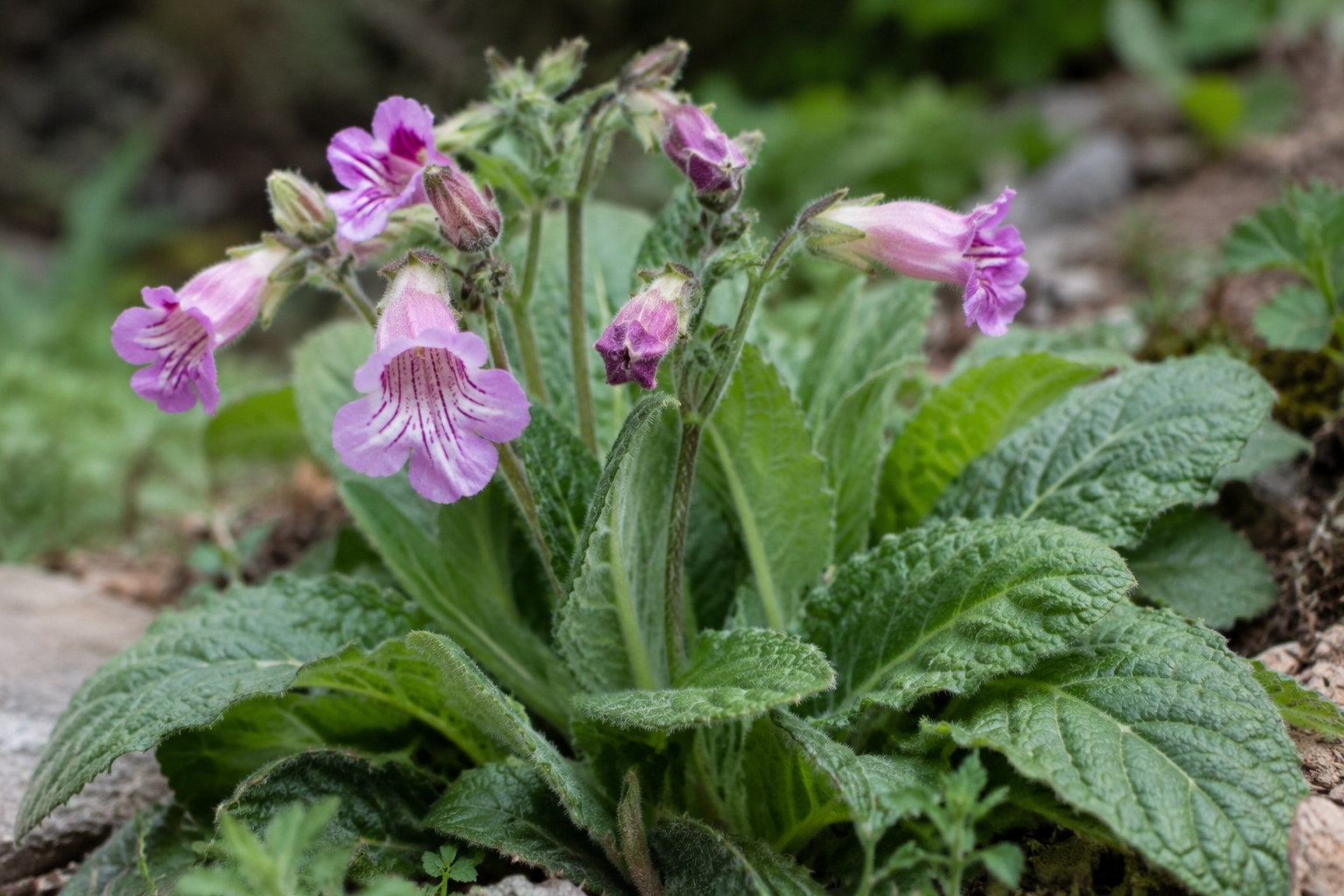
Rehmannia Root for Dogs and Cats: Grounded Renal Filtration and Endocrine Balance
Rehmannia Root for Dogs and Cats: Ingredient Profile, Uses, and Safety
Explore this LivHerbals ingredient profile for Rehmannia Root (Rehmannia glutinosa). Learn about its traditional kidney, adrenal, yin-nourishing uses, safety facts, and research.
Understanding Rehmannia Root in Pet Wellness
Rehmannia Root (Rehmannia glutinosa) is one of the foundational botanicals in Eastern traditional medicine. Known in Chinese herbalism as Di Huang, meaning "earth yellow," this perennial plant is cultivated for its thick, tuberous roots. In traditional use, Rehmannia is understood in two main forms: Sheng Di Huang, or raw Rehmannia, and Shu Di Huang, or prepared Rehmannia. Raw Rehmannia is traditionally viewed as cooling and fluid-generating, while prepared Rehmannia is viewed as richer, more tonifying, and more restorative.
In modern pet herbal wellness, Rehmannia Root is primarily discussed for kidney and urinary support, endocrine and adrenal balance, blood and circulatory health, mucosal comfort, and senior vitality. Pet parents most often encounter this botanical in veterinarian-guided wellness conversations related to aging pets, kidney filtration, urinary comfort, stamina, metabolic resilience, and long-term tissue nourishment.
Rehmannia Root contains iridoid glycosides, polysaccharides, plant sterols, and other naturally occurring compounds that support its traditional role as a deep, nourishing botanical. It is often described as a builder rather than a quick-acting herb. This matters for dogs and cats because senior pets may experience gradual changes in kidney function, fluid balance, energy, appetite, circulation, and tissue moisture over time.
Rehmannia Root is generally considered gentle when used appropriately, but it is also dense, rich, and moistening. Because of that, it may cause loose stools, gas, or digestive discomfort if introduced too quickly or used in pets with active diarrhea. It may also influence blood glucose, blood pressure, and fluid balance, especially in pets taking related medications. For this reason, Rehmannia Root should be introduced at pet-appropriate serving sizes and under veterinary guidance, especially in animals with chronic kidney disease, diabetes, blood pressure concerns, or active gastrointestinal sensitivity. By understanding both its nourishing qualities and its safety parameters, pet parents can make informed decisions with the supervision of their trusted veterinarian.
Ingredient Identification
-
Common name: Rehmannia, Chinese Foxglove
-
Botanical name: Rehmannia glutinosa
-
Plant family: Orobanchaceae, formerly Scrophulariaceae
-
Plant part used: Dried root, either unprocessed/raw or steamed/prepared
-
Other common names: Di Huang, Sheng Di Huang, Shu Di Huang, Chinese rehmanniae radix
-
Native range: Northern and Central China, naturalized across regions of East Asia
-
Common growing regions: Fertile mountain soils and certified organic agricultural farms across East Asia
-
Common preparation forms: Standardized extracts, alcohol-free liquid glycerites, tinctures, water decoctions, and dried root powders
-
Main active constituents: Iridoid glycosides including catalpol and rehmaglutins, saccharides including stachyose and raffinose, amino acids, plant sterols including beta-sitosterol, phenolic glycosides, and trace minerals
Associated Pet Wellness Categories
-
Kidney and Urinary Support: Rehmannia Root is traditionally used to support renal function, kidney filtration, and normal fluid balance. The kidneys work continuously to filter waste, maintain hydration, and support mineral balance. Rehmannia may help support normal urinary comfort and kidney resilience, especially in senior pets when used as part of a veterinarian-guided wellness plan.
-
Adrenal and Endocrine Balance Support: Rehmannia is traditionally used as an endocrine-supportive tonic. Pets navigating prolonged stress, age-related vitality changes, or endocrine imbalance may benefit from carefully selected support for normal metabolic feedback loops. This use should be guided by a veterinarian, especially if a pet has diagnosed endocrine disease or takes medication.
-
Blood and Circulatory Health Support: Raw and prepared Rehmannia are traditionally discussed for supporting blood health, circulation, and tissue nourishment. By supporting vascular and antioxidant pathways, Rehmannia may help maintain oxygen delivery and tissue resilience in aging pets.
-
Digestive and Mucosal Barrier Support: As a moistening botanical, Rehmannia is traditionally used to support dry tissues and mucosal comfort. Its polysaccharides provide soothing, nourishing support for internal tissue environments. However, because it is rich and heavy, it should be used carefully in pets with weak digestion or loose stools.
Common Pet Wellness Uses
-
Chronic Kidney and Filtration Support: Rehmannia Root has a long history of use in traditional formulas for kidney vitality. In dogs and cats, it is often discussed for age-related renal slowing, fluid balance changes, urinary comfort, and kidney tissue support. Research in animal models and integrative veterinary use suggests support for normal filtration parameters and quality of life maintenance, though pet-specific clinical trials remain limited.
-
Endocrine Conditioning and Stress Adaptation: Rehmannia is used in holistic veterinary practice to support normal adrenal function and stress adaptation. This use is supported by traditional use and animal-based models cited in veterinary botanical texts.
-
Urinary Control and Senior Longevity Support: In holistic small animal practice, Rehmannia-containing formulas, such as Rehmannia 6 or Rehmannia 8 style formulas, are sometimes used to support senior pets with age-related urinary changes. This should be discussed with a veterinarian to rule out urinary tract infection, kidney disease progression, diabetes, pain, or other medical causes.
Best Known Herbal Actions
-
Adrenal Tonic and Adaptogen: Adaptogenic tonics help the body adapt to stress and support normal homeostatic balance. Rehmannia is traditionally used to support endocrine pathways and help maintain resilience during long-term stress or aging.
-
Yin and Fluid Nourisher: In traditional frameworks, a fluid nourisher supports dry, irritated, or depleted tissues. Rehmannia is known for supporting internal moisture, mucosal comfort, and cooling of hyper-reactive patterns.
-
Hemostatic and Blood Tonic: This action describes Rehmannia's traditional use in supporting blood health, red blood cell pathways, and normal blood movement through the microvasculature.
-
Hepatoprotective and Nephroprotective: Protective herbs support vital filtration organs against oxidative stress. Rehmannia is studied for supporting kidney and liver cell resilience in laboratory and animal models.
Key Constituents and Why They Matter
The primary active compounds found in Rehmannia Root include iridoid glycosides and polysaccharides. Catalpol is one of the most researched iridoid glycosides in Rehmannia. Research suggests catalpol may interact with cellular signaling pathways, including Nrf2 and NF-kB pathways, which are associated with oxidative stress, inflammatory response, and kidney tissue resilience.
Rehmannia also contains saccharides, amino acids, plant sterols, phenolic glycosides, and trace minerals. These compounds contribute to its traditional use as a nourishing, tissue-supportive botanical. Because the root is dense and moistening, its quality and preparation form matter, and it should be introduced gradually to protect digestive comfort.
Western Herbalism Profile
In Western herbalism, herbs are classified by taste, energetics, and tissue affinities to guide how they interact with the body. Rehmannia Root is characterized by a sweet, slightly bitter, rich, and earthy taste with a heavy mouthfeel. Energetically, raw Rehmannia is often viewed as cooling, while prepared Rehmannia is viewed as richer, heavier, more moistening, and mildly warming. It has a tissue affinity for the kidneys, adrenal glands, vascular system, reproductive tissues, and mucous membranes.
Western herbalists often discuss Rehmannia for patterns involving physical depletion, chronic dryness, endocrine exhaustion, metabolic burnout, and age-related vitality changes. It is viewed as a restorative botanical that helps bring moisture, substance, and nourishment back to depleted tissues.
Western herbalists also maintain clear boundaries around its use. Because Rehmannia is heavy, rich, and moistening, it can overwhelm weak digestion if introduced too quickly or used during active diarrhea. It is often paired with warming digestive herbs in traditional formulas to support absorption and reduce digestive heaviness.
Traditional Chinese Medicine Profile
Rehmannia Root is one of the most important classical herbs in Traditional Chinese Medicine (TCM), where it is commonly used in Yin-nourishing and essence-supporting formulas. Known traditionally as Di Huang, it appears in well-known formulas such as Liu Wei Di Huang Wan, often referred to as Rehmannia 6, and Jin Gui Shen Qi Wan, often referred to as Rehmannia 8.
Through a TCM lens, practitioners make a clear distinction between raw Rehmannia, Sheng Di Huang, and prepared Rehmannia, Shu Di Huang. Raw Sheng Di Huang is viewed as sweet, bitter, and cold, entering the Heart, Liver, and Kidney meridians to clear Heat, cool the Blood, nourish Yin, and generate fluids. Prepared Shu Di Huang is steamed until dark and is viewed as sweet, slightly warm, heavy, and deeply tonifying. It enters the Heart, Liver, and Kidney pathways to nourish Blood, support Kidney Yin, and enrich Jing, or foundational essence.
When a pet shows nighttime panting, red or dry tongue, hind-limb weakness, increased thirst, or age-related depletion, the pattern may be viewed as "Kidney Yin and Jing Deficiency." Rehmannia's traditional role is to nourish fluids, anchor upward-floating heat, and support the body's lower foundational core.
Despite these useful actions, TCM practitioners caution against use in severe Spleen and Stomach Deficiency with active Dampness or acute diarrhea. Because Rehmannia is heavy, moistening, and sometimes greasy in traditional terms, it may worsen watery stools, abdominal fullness, or weak digestive fire if used inappropriately.
Ayurvedic Medicine Profile
While Rehmannia is native to East Asia and does not appear in the classical Ayurvedic pharmacopeia of India, modern Ayurvedic practitioners and holistic veterinarians sometimes analyze this root using Ayurvedic principles.
From an Ayurvedic perspective, Rehmannia Root is recognized for its sweet (Madhura) and slightly bitter (Tikta) tastes, cooling to neutral energy (virya), and sweet post-digestive effect (vipaka). Its qualities are considered heavy (guru) and unctuous, or oily (snigdha), especially in its prepared form. Its primary doshic action is strongly pacifying to Vata and Pitta, while potentially increasing Kapha if used excessively or in the wrong constitution.
Vata dosha rules movement, dryness, and the nervous system. When aggravated by aging, it may appear as dryness, wasting, anxiety, and brittle tissues. Pitta rules heat, metabolism, and blood. When elevated, it may appear as vascular heat, tissue redness, and internal irritability. Rehmannia's cooling, heavy, and moistening qualities may help balance Vata dryness and Pitta heat.
Because Rehmannia is heavy and moistening, it should be monitored in animals with high Kapha patterns, such as fluid accumulation, mucus, sluggish metabolism, or weight gain. A modern Ayurvedic approach would use it as a rejuvenative-style botanical for depletion patterns while avoiding overuse in heavy or damp constitutions.
Research Summary
It is important to acknowledge that double-blind, peer-reviewed clinical trials evaluating Rehmannia Root directly in dogs and cats are currently limited, though interest in integrative veterinary use is growing. Rehmannia and its active glucoside fractions are recognized in pharmacological research for renal, endocrine, antioxidant, and tissue-support pathways.
-
Animal Research: Studies in rodent and small animal models have evaluated Rehmannia extracts and catalpol for kidney filtration support, proteinuria markers, oxidative stress, renal fibrosis, and renal anemia models.
-
Human Research: Clinical trials and nutritional evaluations have studied Rehmannia preparations alongside standard care in chronic kidney-related contexts, including urinary protein loss and renal structural support.
-
In Vitro Research: Laboratory and cell-line studies suggest Rehmannia constituents may interact with Nrf2 and NF-kB signaling pathways, inflammatory proteins such as IL-6, and renal tubular cell protection pathways.
A significant gap remains in large-scale, multi-breed canine and feline clinical trials validating exact standardized pharmacokinetic parameters. Human, rodent, and laboratory research provides directional insight, but it does not guarantee pet efficacy or safety without veterinary guidance.
What the Research Means for Dogs
For dogs, the most relevant wellness categories for Rehmannia Root are senior kidney filtration maintenance, adrenal support, and blood or microvascular health. Aging dogs, especially large breeds or dogs entering their senior years, may experience gradual changes in kidney health, stamina, thirst patterns, urination, and hindquarter strength. The strongest support for Rehmannia's use comes from its traditional and studied role in supporting kidney filtration and protecting renal structures from oxidative stress. The weakest support lies in the lack of large, multi-center canine trials validating exact standardized serving sizes for acute organ failure. Due to its heavy, moistening profile, digestive tolerance should be monitored. Veterinary oversight is important, especially for blood work monitoring and ruling out active digestive illness, urinary infection, diabetes, or kidney disease progression.
What the Research Means for Cats
In cats, Rehmannia Root's most relevant wellness categories are kidney support, urinary comfort, and renal tissue resilience. Cats are prone to age-related kidney challenges, making normal fluid balance and filtration support important areas in holistic care. Rehmannia's kidney-supportive and tissue-protective properties are relevant to aging cats when used carefully. It does not contain harsh volatile oils or terpene structures that can stress feline pathways, but cats may reject its rich, earthy taste or dark texture if it is not properly prepared, masked, or encapsulated. Evidence for feline use is supported mainly by classical veterinary references and clinical experience rather than large feline-specific trials, making veterinary guidance important for proper form, serving size, and monitoring.
Forms Used in Pet Wellness
-
Powder/Capsule: Used to deliver whole-root benefits, full-spectrum iridoid glycosides, and polysaccharide complexes. Capsules may help bypass taste sensitivity in picky pets.
-
Tincture/Glycerite: Liquid extracts allow precise, weight-based measuring. Alcohol-free glycerites are often preferred for small animals because the sweetness of glycerin pairs well with Rehmannia's rich, earthy flavor.
-
Decoction: Simmering sliced roots in hot water extracts water-soluble saccharides and glycosides, creating a traditional nourishing liquid preparation.
-
Chews: Chew formats may be used in pet wellness for palatability and daily senior support when appropriate for the individual pet.
Safety Profile
Rehmannia Root is generally well-tolerated when properly selected and introduced gradually. Its rich, moistening quality still requires respect.
-
Dogs: Generally well-tolerated for longer-term support, but dogs should be monitored for temporary loose stools, gas, or digestive heaviness if introduced too rapidly.
-
Cats: Generally well-tolerated when properly scaled to small body weights, with low starting amounts and professional guidance.
-
Puppies, Kittens, Pregnant or Nursing Pets: Avoid unless specifically directed by a veterinarian. Traditional texts generally avoid heavy, deep tonics during pregnancy and early development, and formal safety data in small animals is limited.
-
Pets with Active Diarrhea: Avoid. Because Rehmannia is rich, moistening, and lubricating, it may worsen loose stools or acute gastrointestinal hypermotility.
-
Possible Adverse Effects: Mild digestive changes, temporary loose stools, gas, nausea, or bloating if given in excess or on an empty stomach.
-
When to Stop Use: Discontinue and consult a veterinarian if the pet shows persistent vomiting, severe watery diarrhea, noticeable bloating, lethargy, or sudden refusal to eat.
Please note: Before beginning any pet supplements, herbs, or nutritional changes, consult your veterinarian first. This educational information is intended to support informed conversations with your veterinary team and should not replace professional guidance.
Contraindications
-
Acute diarrhea, watery loose stools, or severe gastrointestinal hypermotility.
-
Severe Spleen and Stomach Deficiency with heavy internal dampness.
-
Pregnancy, lactation, and breeding animals unless specifically directed by a veterinarian.
-
Upcoming major surgical procedures or general anesthesia. Discuss discontinuation timing with your veterinarian.
-
Unmonitored use in pets taking diabetes, blood pressure, or diuretic medications.
Drug and Supplement Interactions
-
Diabetes Medications and Insulin: Rehmannia Root may support normal blood glucose regulation and could theoretically enhance the effects of insulin or oral diabetes medications. Blood sugar should be monitored by a veterinarian if combined.
-
Blood Pressure and Antihypertensive Medications: Rehmannia may support healthy vascular tone and blood pressure regulation, which could theoretically enhance the effects of blood pressure medications.
-
Diuretics: Use caution if combined with strong pharmaceutical diuretics, as fluid balance and kidney filtration parameters should be managed by a veterinarian.
-
Kidney Support Protocols: Rehmannia is often used within broader kidney-support formulas. Pets with kidney disease should be monitored with veterinary blood work and urinalysis when appropriate.
Dosage and Serving Context
Serving context depends heavily on species, weight, kidney status, metabolic baseline, digestion, medication use, and whether the product uses raw or prepared Rehmannia in powder, decoction, or concentrated liquid extract form. There is no safe generic household serving size for Rehmannia Root. Concentrated extracts deliver higher biological activity per volume than raw ground roots. Rehmannia is often discussed for daily, longer-term foundational support and is typically given with food to reduce the chance of loose stools and support digestive tolerance. For the safest and most appropriate use, discuss Rehmannia Root with your veterinarian before giving it to your dog or cat. Your veterinarian can help evaluate your pet's health history, medications, age, kidney values, urinalysis results, blood pressure, blood glucose, digestion, hydration, and wellness goals before use.
How This Ingredient Fits into BARC Formulas
At LivHerbals, ingredients like Rehmannia Root are approached with care, respect for traditional use, and attention to pet-specific safety considerations. When an ingredient is used in a BARC formula, it is selected for a specific wellness purpose and balanced within the larger formula rather than treated as a standalone quick fix.
Ingredient Profile Summary
-
Best known for: Supporting normal kidney filtration, adrenal balance, tissue moisture, and senior vitality.
-
Most relevant pet wellness categories: Kidney and urinary support, adrenal balance, blood health, digestive mucosal comfort.
-
Most relevant herbal actions: Adrenal tonic/adaptogen, yin and fluid nourisher, hemostatic/blood tonic, nephroprotective.
-
Research strength: Strong in animal and human models. Growing in integrative veterinary validation.
-
Main cautions: Rehmannia Root is rich and moistening, so it may cause loose stools or digestive heaviness if introduced too quickly. It is not appropriate during active diarrhea and should be used carefully with diabetes medications, blood pressure medications, diuretics, pregnancy, nursing, and surgery planning. Use this herb under veterinary guidance to support your pet's safety and well-being.
Pet Parent Takeaway
Rehmannia Root is a traditionally respected botanical known for supporting kidney pathways, adrenal resilience, fluid balance, tissue nourishment, and senior vitality. When a dog or cat is navigating aging, kidney-related wellness needs, stamina changes, or internal dryness, Rehmannia may offer targeted support within a broader wellness plan. It works slowly and systematically over time and should not be treated as a casual treat. It is best used in appropriate forms, at appropriate amounts, and with veterinary guidance, especially for pets with kidney disease, diabetes, blood pressure concerns, digestive sensitivity, or medication use. To use Rehmannia Root safely and appropriately, partner with your veterinarian and consider your pet's full health picture before starting any new herb or supplement.
Disclaimer: This content is for educational purposes only and is not intended to diagnose, treat, cure, or prevent any disease. Always consult your veterinarian before starting any new supplement, herb, food, or wellness routine for your pet, especially if your pet is pregnant, nursing, taking medication, has a diagnosed condition, or is under veterinary care.
References
Pet-Specific Studies and Veterinary References
-
Wynn, S. G., & Fougère, B. J. (2007). Veterinary Herbal Medicine. Mosby Elsevier.
-
Basko, I. (2004). Fresh Plant Materia Medica.
-
Xie, H., & Preast, V. (2010). Traditional Chinese Veterinary Medicine: Fundamental Principles. Chi Institute Press.
Human and Animal Studies
-
Zhang, R. X., et al. (2008). Rehmannia glutinosa: Review of botany, phytochemistry and pharmacology. Journal of Ethnopharmacology.
-
Liu, C., et al. (2024). Catalpol from Rehmannia glutinosa targets Nrf2/NF-kB signaling pathway to improve renal anemia and fibrosis. American Journal of Chinese Medicine.
-
You, B., et al. (2019). Hepatoprotective and nephroprotective effects of prepared Rehmannia root extracts in animal models. Journal of Medicinal Food.
Safety and Toxicology References
-
American Herbal Products Association (AHPA). Botanical Safety Handbook (2nd ed.).
-
European Medicines Agency (EMA). (2018). Assessment report on Rehmannia glutinosa Libosch., radix. Committee on Herbal Medicinal Products (HMPC).

Written by Angela Petersen
.%20Learn%20about%20its%20traditional%20kidney,%20adre...)