
Sarsaparilla Root for Dogs and Cats: Grounded Endotoxin Binding and Skin Barrier Support
Sarsaparilla Root for Dogs and Cats: Ingredient Profile, Uses, and Safety
Explore this LivHerbals ingredient profile for Sarsaparilla Root (Smilax species). Learn about its traditional alterative uses, endotoxin-binding support, pet safety facts, and research.
Understanding Sarsaparilla Root in Pet Wellness
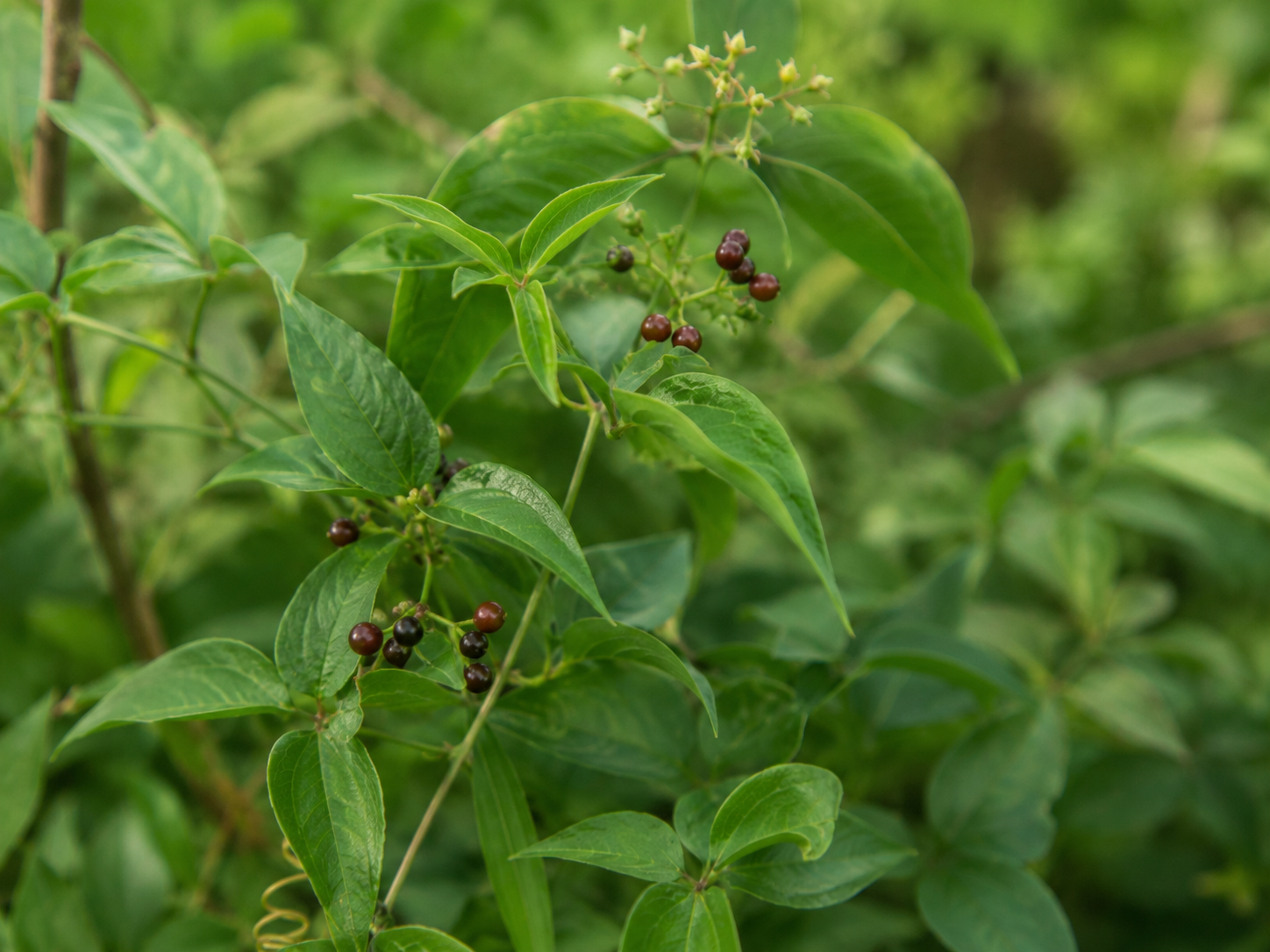
Sarsaparilla Root (Smilax species, most notably Smilax officinalis, Smilax regelii, Smilax aristolochiifolia, and Smilax glabra) is a woody perennial climbing vine native to tropical rainforest regions of Central and South America, the Caribbean, and parts of Asia. This thorn-bearing botanical has been used in traditional medicine systems for generations as a deep tissue-supportive and alterative root.
It is important to make one distinction clear for pet parents: despite its name, Sarsaparilla Root is not related to household culinary grapes (Vitis species). It does not contain the compounds associated with true grape toxicity in dogs and cats. Instead, Sarsaparilla belongs to the Smilacaceae family and is valued for its naturally occurring steroidal saponins, phytosterols, flavonoids, and other plant compounds.
In modern pet herbal wellness, Sarsaparilla Root is primarily discussed as an alterative, meaning it supports the body's natural pathways of metabolic waste processing and tissue clearing. It is also traditionally valued for supporting skin and coat comfort, liver and kidney filtration, joint comfort, digestive balance, and healthy barrier function. Pet parents most often encounter this botanical in veterinarian-guided wellness conversations related to seasonal skin sensitivity, coat condition, dander, joint comfort, liver support, and gut-related inflammatory patterns.
Sarsaparilla Root contains saponins that may influence gut barrier and endotoxin pathways. These compounds are studied for their ability to bind certain gut-derived compounds, such as lipopolysaccharides (LPS), before they move beyond the digestive tract. This makes Sarsaparilla especially interesting in holistic discussions about the gut-skin-joint connection. However, Sarsaparilla is still an active botanical. Its saponins may irritate sensitive stomachs if given in excess and may alter absorption patterns for certain medications. For this reason, Sarsaparilla Root should be introduced at pet-appropriate serving sizes and under veterinary guidance, especially in pets with gastrointestinal sensitivity, kidney disease, medication use, or complex health histories.
Ingredient Identification
-
Common name: Sarsaparilla, Sarsaparilla Root, Smilax
-
Botanical name: Smilax officinalis, Smilax regelii, Smilax aristolochiifolia, Smilax glabra
-
Plant family: Smilacaceae, formerly placed in the Liliaceae family
-
Plant part used: Dried roots and rhizomes
-
Other common names: Sarsa, Mexican sarsaparilla, Honduras sarsaparilla, Tu Fu Ling, specifically for Smilax glabra
-
Native range: Tropical regions of Central America, South America, the Caribbean, and temperate to tropical East Asia
-
Common growing regions: Rainforest canopies, damp woodlands, and regulated organic agricultural farms across subtropical and temperate zones
-
Common preparation forms: Standardized dried powders, fluid extracts, alcohol-free liquid glycerites, tinctures, and concentrated water decoctions
-
Main active constituents: Steroidal saponins including sarsaponin, smilasaponin, sarsaparilloside, sarsasapogenin, and smilagenin, phytosterols including beta-sitosterol and stigmasterol, flavonoids including quercetin and kaempferol, phenolic acids, and tannins
Associated Pet Wellness Categories
-
Skin, Coat, and Barrier Integrity Support: Sarsaparilla Root is traditionally valued for supporting clear skin texture, a healthy coat, and normal epidermal comfort. In holistic herbalism, chronic skin irritation, dander, and coat dullness are often viewed as outer signs of internal metabolic or elimination stress. By supporting natural filtration pathways, Sarsaparilla may help maintain a calmer skin barrier and a more resilient coat.
-
Joint and Musculoskeletal Comfort: Sarsaparilla Root is traditionally used to support normal joint function, flexibility, and connective tissue comfort. Gut-derived inflammatory compounds may contribute to systemic tissue irritation in some wellness models. Sarsaparilla's saponin-rich profile is studied for supporting endotoxin-binding pathways, which may indirectly support joint comfort and tissue resilience.
-
Hepatic and Liver Cleansing Support: As a traditional alterative tonic, Sarsaparilla Root is used to support liver function and natural waste-processing pathways. The liver continuously filters environmental compounds, dietary byproducts, and metabolic waste. Sarsaparilla's saponins, phytosterols, and flavonoids help support antioxidant protection and normal metabolic clearing.
-
Digestive and Immune Balance: Sarsaparilla Root is used in holistic contexts to support a balanced intestinal environment and normal immune readiness along the gut wall. A stressed digestive barrier may influence skin, coat, and joint comfort. Sarsaparilla may help support the gut's natural protective barrier and a calm internal baseline.
Common Pet Wellness Uses
-
Seasonal Skin and Coat Support: Sarsaparilla Root has a long history of use as an alterative botanical for pets experiencing seasonal skin sensitivity. In dogs, it is often discussed for temporary scratching, dry coat scaling, paw licking, or face rubbing during environmental transitions. For cats, it requires careful form selection and taste masking to support skin and coat comfort without triggering food refusal. The evidence level is considered strong for traditional alterative actions, though still emerging for pet-specific clinical trials.
-
Gut-Mediated Joint Stiffness and Endotoxin Support: Sarsaparilla Root is sometimes discussed in holistic veterinary practice for pets needing support for joint comfort when digestive changes, microbial imbalance, or intestinal barrier stress may contribute to systemic tissue irritation. This use is supported by traditional use and animal or laboratory models evaluating endotoxin-related pathways.
-
Systemic Cleansing and Vitality Support: In holistic canine practice, full-spectrum Sarsaparilla Root powder or alcohol-free liquid glycerite may be used in wellness routines for working dogs, senior dogs, or pets recovering from environmental stress. This should be done with veterinary guidance and attention to digestive tolerance.
Best Known Herbal Actions
-
Alterative, or Depurative: Alteratives support the body's natural mechanisms of metabolic waste processing and systemic clearing. Sarsaparilla Root is traditionally used to support the liver, kidneys, lymphatic pathways, skin, and connective tissues over time.
-
Endotoxin Binder: This specialized action refers to Sarsaparilla's studied ability to interact with lipopolysaccharide (LPS) fractions derived from gram-negative bacterial cell walls in the digestive tract. By binding certain endotoxins in the gut lumen, Sarsaparilla may help support normal inflammatory signaling and metabolic balance.
-
Healthy Inflammatory Response Support: Sarsaparilla is traditionally used to support the body's natural cellular pathways that regulate tissue irritation, joint comfort, and flexible movement.
-
Mild Diuretic, or Aquaretic: An aquaretic encourages normal urine production and clearance without aggressively stripping electrolytes. Sarsaparilla may gently support fluid movement and waste clearance.
Key Constituents and Why They Matter
The primary active compounds found in Sarsaparilla Root are steroidal saponins, along with phytosterols and flavonoids. Important saponins include sarsaponin, smilasaponin, and sarsaparilloside, which yield the aglycones sarsasapogenin and smilagenin. These compounds are associated with Sarsaparilla's traditional alterative and endotoxin-binding profile.
Research suggests that certain saponins can form physical bonds with lipopolysaccharide (LPS) molecules in the digestive tract. By helping trap these compounds in the gut, Sarsaparilla may support the liver, blood vessels, skin, and joints from downstream inflammatory signaling. Phytosterols such as beta-sitosterol support normal inflammatory response and antioxidant protection, while flavonoids help defend tissue membranes from oxidative stress.
Because these compounds are biologically active and saponin-rich, Sarsaparilla should be introduced gradually and given with food to support digestive comfort.
Western Herbalism Profile
In Western herbalism, herbs are classified by taste, energetics, and tissue affinities to guide how they interact with the body. Sarsaparilla Root is characterized by a mildly sweet, slightly bitter, and sharp or acrid taste. Energetically, Western herbalists consider Sarsaparilla Root warm to neutral in temperature and mildly moistening to neutral in nature. It has a tissue affinity for the skin, musculoskeletal system, liver, kidneys, and lymphatic drainage pathways.
Western herbalists have long discussed Sarsaparilla Root for patterns involving systemic stagnation, skin eruptions, dry or crusting skin, old joint stiffness, and sluggish elimination. It is viewed as a deep systemic clarifier that supports tissue comfort, skin clarity, and internal metabolic clearing.
Western herbalists also maintain clear boundaries around its use. Because Sarsaparilla is deep-acting and saponin-rich, it is usually used over structured cycles rather than as a quick, single-dose fix. Pets with sensitive stomachs, gastritis, or active digestive irritation should be evaluated carefully before use.
Traditional Chinese Medicine Profile
Sarsaparilla Root is represented in Traditional Chinese Medicine (TCM) by Tu Fu Ling, the rhizome of Smilax glabra. Tu Fu Ling is traditionally used to address patterns involving toxicity, dampness, skin irritation, and joint discomfort.
Through a TCM lens, Tu Fu Ling is viewed as having a sweet and bland flavor paired with neutral to cool energy. It is believed to primarily enter the Liver, Stomach, and Bladder meridians. In TCM, the Liver stores the Blood and is associated with skin expression, the Stomach governs digestion and descending function, and the Bladder governs fluid consolidation and elimination.
Tu Fu Ling is traditionally used to clear Heat, resolve Toxicity, relieve Dampness, and ease joint discomfort. It is often discussed when a pet shows red or hot skin patterns, paw chewing, or heavy joint discomfort associated with dampness and stagnation.
Because it is bland and sweet, it is considered to drain dampness without aggressively depleting fluids. However, TCM practitioners caution against use in deep Yin deficiency with severe fluid exhaustion or severe Spleen and Stomach Deficiency Cold without damp accumulation. If a pet shows chronic coldness, pale tongue, or watery stools from weak digestive fire, Sarsaparilla may be inappropriate without balancing support.
Ayurvedic Medicine Profile
While Smilax species used as Sarsaparilla are native to temperate and tropical American woodlands and parts of Asia, modern Ayurvedic practitioners and holistic veterinarians sometimes analyze Sarsaparilla using Ayurvedic principles. It is often compared conceptually with Ananthamoola, also known as Indian Sarsaparilla (Hemidesmus indicus), which shares similar alterative and tissue-supportive themes.
From an Ayurvedic perspective, Sarsaparilla Root is recognized for its sweet (Madhura) and bitter (Tikta) tastes, cooling to neutral energy (virya), and sweet post-digestive effect (vipaka). Its qualities are considered light (laghu) and smooth (snigdha). Its primary doshic action is viewed as pacifying to Pitta and Vata, while requiring monitoring for Kapha depending on the pet's constitution.
Pitta dosha rules metabolism, heat, liver function, and blood. When elevated, it may appear as skin redness, tissue irritation, and inflammatory heat. Vata rules movement, dryness, and the nervous system. When aggravated, it may appear as dryness, stiffness, and erratic energy. Sarsaparilla's cooling, smoothing, and bitter qualities may help balance Pitta heat and Vata dryness.
Because its sweet post-digestive effect may nourish tissue while it clears, it is traditionally viewed as less depleting than purely bitter herbs. However, pets with heavy Kapha patterns, mucus, or sluggish digestion may need careful form selection and balancing support.
Research Summary
It is important to acknowledge that large-scale, double-blind, peer-reviewed clinical trials evaluating Sarsaparilla Root directly in dogs and cats are currently limited, though interest in integrative veterinary use is growing. Sarsaparilla and its steroidal saponins are recognized in pharmacological research for metabolic, dermal, endotoxin-related, and inflammatory response pathways.
-
Animal Research: Studies in rodent and laboratory models have evaluated Smilax extracts and isolated saponins for normal inflammatory response, liver tissue protection from oxidative stress, urinary volume output, and blood lipid profiles under metabolic stress.
-
Human Research: Clinical evaluations have discussed Sarsaparilla preparations for chronic scaling skin concerns, joint discomfort, and skin texture support, with interest in endotoxin-related pathways.
-
In Vitro Research: Laboratory studies suggest that active saponins in Sarsaparilla can bind lipopolysaccharide (LPS) molecules and may help down-regulate inflammatory cytokines such as TNF-alpha and interleukin-6 (IL-6).
A significant gap remains in extensive companion animal clinical trials validating exact oral pharmacokinetic parameters across breeds and species. Human, rodent, and laboratory research provides directional insight, but it does not guarantee pet efficacy or safety without veterinary guidance.
What the Research Means for Dogs
For dogs, the most relevant wellness categories for Sarsaparilla Root are seasonal skin support, intestinal endotoxin support, liver filtration, and joint comfort. Dogs may experience paw licking, dander, dry coat scaling, or morning stiffness that appears connected to digestive or metabolic stress. The strongest support for Sarsaparilla's use comes from its traditional alterative role and studied saponin pathways related to LPS binding and inflammatory signaling. The weakest support lies in expecting it to act like an immediate antihistamine for acute flea-bite reactions, infections, or severe allergy flares. Sarsaparilla works more gradually as part of a broader wellness plan. Due to its saponin content, digestive tolerance should be monitored, especially if a dog has gastritis or is sensitive to new supplements.
What the Research Means for Cats
In cats, Sarsaparilla Root requires caution, precise scaling, and professional guidance. Cats have sensitive liver metabolism and may strongly reject bitter, acrid, or saponin-rich flavors. Because Sarsaparilla contains active steroidal saponins with natural foaming and surfactant qualities, raw or poorly masked forms may trigger drooling or food refusal if they contact a cat's tongue. The skin, liver, and endotoxin-supportive pathways may be relevant for aging cats with dander or digestive stress, but delivery format matters. Alcohol-free glycerites, capsules, or professionally formulated products may help bypass taste sensitivity. Evidence for feline use is based primarily on veterinary-formulated holistic texts and clinical experience rather than large feline-specific trials, making veterinary guidance important.
Forms Used in Pet Wellness
-
Tincture/Glycerite: Liquid extracts allow precise, drop-by-drop measuring, which matters for active herbs. Alcohol-free glycerites are often preferred for small animals because glycerin can help offset Sarsaparilla's slightly acrid, bitter undertones.
-
Powder/Capsule: Used to deliver whole-root benefits and full-spectrum saponin fractions. This form may be mixed into wet food for dogs, while capsules may help cats and picky pets bypass taste sensitivity.
-
Decoction: Simmering tough, fibrous roots in hot water extracts water-soluble polysaccharides and saponins, creating a traditional liquid preparation that may be added to meals when appropriate.
-
Chews: Chew formats may be used in dog wellness for palatability and seasonal skin or joint support when appropriate for the individual pet.
Safety Profile
Sarsaparilla Root is generally well-tolerated when properly prepared and introduced gradually. Its active saponin concentration still requires respect.
-
Dogs: Generally well-tolerated, but dogs should be monitored for mild digestive changes, nausea, or temporary loose stools if introduced too quickly or given in excess.
-
Cats: Requires caution, low serving sizes, and strong flavor masking due to sensitive feline taste preferences and potential drooling if exposed to unpalatable saponins.
-
Puppies, Kittens, Pregnant or Nursing Pets: Avoid unless specifically directed by a veterinarian. Formal reproductive safety data is limited, and traditional texts raise theoretical cautions around steroidal saponins and hormone-related pathways.
-
Pets with Sensitive Stomachs: Use caution in pets with active gastritis, severe gastrointestinal ulceration, or recent vomiting, as saponins may irritate sensitive tissues.
-
Pets with Advanced Kidney Disease: Use only under veterinary guidance due to its mild aquaretic, or fluid-clearing, properties.
-
Possible Adverse Effects: Mild gastrointestinal irritation, nausea, loose stools, increased urination, or drooling if the taste is not tolerated.
-
When to Stop Use: Discontinue and consult a veterinarian if the pet shows persistent vomiting, prolonged loose stools, noticeable lethargy, severe drooling, or sudden refusal to eat.
Please note: Before beginning any pet supplements, herbs, or nutritional changes, consult your veterinarian first. This educational information is intended to support informed conversations with your veterinary team and should not replace professional guidance.
Contraindications
-
Pregnancy, lactation, and breeding animals unless specifically directed by a veterinarian.
-
Severe gastrointestinal ulcers or active gastritis.
-
Advanced renal insufficiency or end-stage kidney disease unless managed by a veterinarian.
-
Unmonitored use with cardiac glycosides, bismuth medications, or other high-saponin herbs.
-
Pets with severe supplement sensitivity or repeated intolerance to saponin-rich botanicals.
Drug and Supplement Interactions
-
Digitalis and Digoxin Medications: Sarsaparilla Root should be used with caution if combined with cardiac glycosides. Saponins may influence gastrointestinal permeability and could theoretically affect absorption patterns of certain cardiac medications. Veterinary supervision is required.
-
Bismuth Medications: Saponin surfactant traits may theoretically alter absorption patterns for bismuth subsalicylate compounds. Discuss use with a veterinarian before combining.
-
Other High-Saponin Herbs: Sarsaparilla may have additive effects if combined with other saponin-bearing plants such as Yucca or Licorice Root. Formulas should be balanced carefully to protect digestive comfort.
-
Diuretics and Kidney-Related Medications: Because Sarsaparilla may support mild urinary flushing, pets taking diuretics or kidney-related medications should be monitored by a veterinarian.
Dosage and Serving Context
Serving context depends heavily on species, weight, digestive tolerance, kidney status, medication use, and whether the product is prepared as dried root powder, decoction, or concentrated liquid extract. There is no safe generic household serving size for Sarsaparilla Root. Concentrated extracts deliver higher biological activity per volume than raw ground root powders. Sarsaparilla is typically discussed for structured daily support during seasonal skin, joint, gut, or metabolic clearing periods. It is usually given with or after food to reduce the chance of stomach irritation and support digestive integration. For the safest and most appropriate use, discuss Sarsaparilla Root with your veterinarian before giving it to your dog or cat. Your veterinarian can help evaluate your pet's health history, medications, age, digestive sensitivity, kidney status, skin patterns, joint comfort, and wellness goals before use.
How This Ingredient Fits into BARC Formulas
At LivHerbals, ingredients like Sarsaparilla Root are approached with care, respect for traditional use, and attention to pet-specific safety considerations. When an ingredient is used in a BARC formula, it is selected for a specific wellness purpose and balanced within the larger formula rather than treated as a standalone quick fix.
Ingredient Profile Summary
-
Best known for: Systemic alterative support, endotoxin-binding pathways, and skin conditioning.
-
Most relevant pet wellness categories: Skin and coat conditioning, seasonal skin support, joint comfort, liver filtration, gut barrier support.
-
Most relevant herbal actions: Alterative, endotoxin binder, healthy inflammatory response support, mild diuretic.
-
Research strength: Strong in animal, laboratory, and human clinical models. Growing in companion animal validation.
-
Main cautions: Sarsaparilla Root is unrelated to culinary grapes and does not carry true grape toxicity concerns. However, it is rich in saponins that may cause stomach irritation if used in excess or on an empty stomach. It may alter absorption patterns for certain medications, requires extra caution and flavor masking in cats, and is not recommended for pregnant or nursing animals unless specifically directed by a veterinarian. Use this herb under veterinary guidance to support your pet's safety and well-being.
Pet Parent Takeaway
Sarsaparilla Root is a traditionally respected botanical known for supporting alterative pathways, gut-derived endotoxin balance, skin comfort, coat condition, liver filtration, and joint comfort. When a dog or cat is navigating seasonal scratching, chronic dander, digestive-linked skin concerns, or joint comfort needs, Sarsaparilla may offer targeted support within a broader wellness plan. It is a deep-acting botanical rather than a casual treat. It works best when introduced gradually, given with food, used in appropriate forms, and paired with veterinary guidance. To use Sarsaparilla Root safely and appropriately, partner with your veterinarian and consider your pet's full health picture before starting any new herb or supplement.
Disclaimer: This content is for educational purposes only and is not intended to diagnose, treat, cure, or prevent any disease. Always consult your veterinarian before starting any new supplement, herb, food, or wellness routine for your pet, especially if your pet is pregnant, nursing, taking medication, has a diagnosed condition, or is under veterinary care.
References
Pet-Specific Studies and Veterinary References
-
Wynn, S. G., & Fougère, B. J. (2007). Veterinary Herbal Medicine. Mosby Elsevier.
-
Basko, I. (2004). Fresh Plant Materia Medica.
-
Silver, R. J. (2014). Veterinary Clinical Uses of Alterative and Endotoxin-Binding Botanicals. Professional Veterinary Reference Series.
-
ASPCA Animal Poison Control Center. (2024). Non-Toxic Plant Databases: Smilax glabra. ASPCA Veterinary Reference.
Human and Animal Studies
-
Birdsall, T. C. (1998). Therapeutic applications of Smilax species (Sarsaparilla) in chronic dermal and arthritic conditions: A clinical review. Alternative Medicine Review.
-
Osuagwu, G. G., et al. (2018). Anti-inflammatory and diuretic activities of ethanolic extracts of Smilax species in laboratory animal models. United Kingdom Journal of Pharmaceutical and Biosciences.
-
Zhang, Q., et al. (2025). Development and bioactivity optimization of Smilax glabra rhizome extracts for functional metabolic support. American Journal of Biochemistry and Biotechnology.
Safety and Toxicology References
-
American Herbal Products Association (AHPA). Botanical Safety Handbook (2nd ed.).
-
European Medicines Agency (EMA). (2014). Assessment report on Smilax glabra and related Smilax species, radix. Committee on Herbal Medicinal Products (HMPC).

Written by Angela Petersen
.%20Learn%20about%20its%20traditional%20alterative%20...)