

Hawthorn for Dogs and Cats: Grounded Cardiovascular and Senior Vitality Support
Hawthorn for Dogs and Cats: Ingredient Profile, Uses, and Safety
Explore this LivHerbals ingredient profile for Hawthorn (Crataegus species). Learn about its traditional cardiovascular uses, pet-specific research, and key safety facts.
Understanding Hawthorn in Pet Wellness
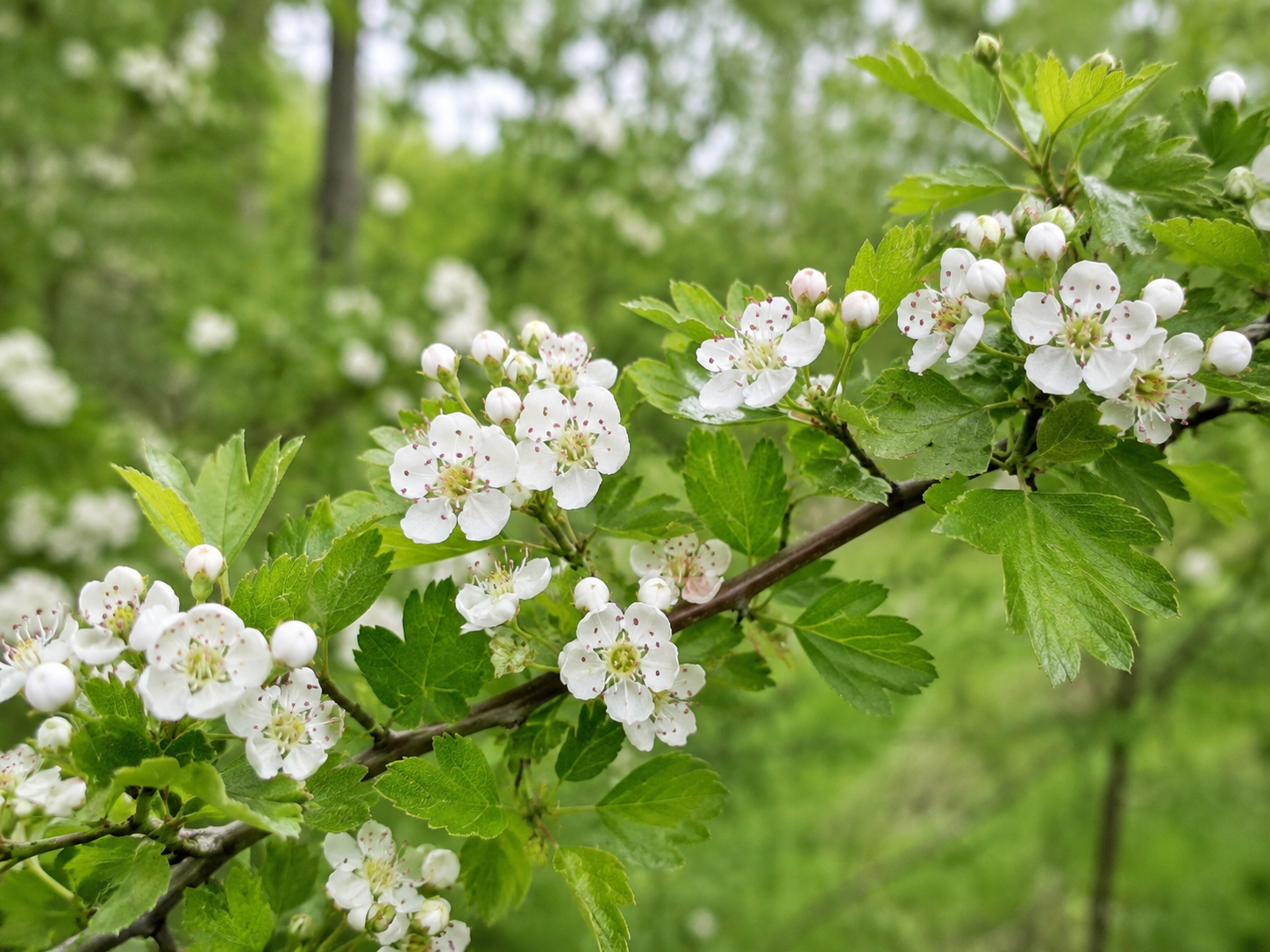
Hawthorn (Crataegus species) is a respected, thorny shrub or small tree in the rose family, native to temperate regions of the Northern Hemisphere, including Europe, Asia, and North America. This long-lived botanical has been cultivated, valued, and used in global herbal medicine for thousands of years, with historical roots reaching back to ancient Greece and traditional Asian wellness systems. While its bright red berries were traditionally valued as a digestive and nutritive aid, modern Western herbalism recognizes the leaves, flowers, and berries as a cardiovascular-supportive botanical matrix. In modern pet herbal wellness, Hawthorn is primarily used to support the cardiovascular system, maintain normal heart muscle function, and encourage healthy circulation throughout the body. Pet parents most often encounter this botanical in veterinarian-guided wellness conversations related to senior vitality, heart support, circulation, stamina, and healthy aging.
Unlike fast-acting cardiovascular pharmaceuticals that create immediate changes in heart metrics, Hawthorn is traditionally viewed as a slow, nourishing trophorestorative for the circulatory system. It is commonly discussed for long-term support of myocardial cell performance and healthy blood flow through the coronary arteries. This matters for dogs and cats because companion animals may experience changes in tissue oxygenation, stamina, and cardiac efficiency as they enter the senior years. Hawthorn offers a gentle, evidence-aware way to support their natural ability to stay active and maintain daily physical endurance.
Hawthorn has a strong traditional safety profile, but it is still an active vascular and glandular botanical rich in bioflavonoids and proanthocyanidins. It carries specific safety cautions related to potential interactions with conventional cardiovascular medications, especially cardiac glycosides and blood pressure regulators. For this reason, Hawthorn should be introduced under veterinary guidance, especially in pets with diagnosed heart conditions or pets receiving prescription medications. It is a foundational botanical tool that builds physical resilience over time. By understanding both its supportive qualities and its safety parameters, pet parents can make informed decisions with the supervision of their trusted veterinarian.
Ingredient Identification
-
Common name: Hawthorn, English Hawthorn, Maybush
-
Botanical name: Crataegus monogyna, Crataegus laevigata, formerly Crataegus oxyacantha, and Crataegus pinnatifida
-
Plant family: Rosaceae, Rose family
-
Plant part used: Dried leaves, flowers, and ripe berries, often used as a combined full-spectrum extract
-
Other common names: Haw, mayblossom, whitehorn, Shan Zha
-
Native range: Europe, North Africa, Western Asia, and Northern North America
-
Common growing regions: Woodlands, hedgerows, and regulated organic agricultural farms across temperate climates globally
-
Common preparation forms: Standardized extracts calibrated to specific flavonoid or vitexin percentages, alcohol-free liquid glycerites, tinctures, and dried powders
-
Main active constituents: Oligomeric proanthocyanidins, or OPCs, flavonoids including vitexin, hyperoside, and rutin, triterpene acids including ursolic and oleanolic acids, and polyphenols
Associated Pet Wellness Categories
-
Cardiovascular and Heart Support: Hawthorn is extensively studied for supporting normal myocardial function and healthy heart muscle tone. It is often chosen when a senior pet needs help maintaining physical stamina, normal heart rate baselines, and general vascular integrity. By interacting with cellular pathways, it helps support the heart's natural contractility and coronary blood flow, allowing dogs and cats to process daily activity more comfortably. This makes it a relevant herbal ally for aging companions requiring foundational cardiovascular maintenance.
-
Microcirculation and Vascular Elasticity: This botanical is traditionally used to support normal blood circulation throughout the microvasculature. As pets age, delicate blood vessels may lose some natural elasticity, slowing the delivery of nutrients and oxygen to peripheral tissues. Hawthorn acts as a supportive botanical tool for vascular smooth muscle relaxation and healthy blood pressure dynamics, supporting systemic warmth and physical vitality.
-
Antioxidant and Cellular Protection: Hawthorn is used in holistic contexts to support normal cellular health within heart tissues and blood vessel walls. Because the cardiovascular system experiences lifelong mechanical and oxidative stress, protecting endothelial cells from free radical damage is important. Hawthorn's antioxidant matrix helps address free radical accumulation, protecting vulnerable tissues from oxidative wear and supporting long-term organ vitality.
-
Senior Stamina and Physical Endurance: As a restorative circulatory tonic, Hawthorn supports overall physical endurance and recovery from everyday activity. Aging pets may gradually show reduced walk distance or reluctance to climb stairs due to decreased circulatory efficiency. By supporting healthy blood flow and cellular energy use, Hawthorn helps aging dogs and cats maintain natural energy and engagement without overstimulating the central nervous system.
Common Pet Wellness Uses
-
Senior Circulatory Maintenance and Stamina: Hawthorn has a long, documented history of use as a restorative botanical for aging vascular networks. In dogs, it is used for age-related physical slowing, minor exercise intolerance, or to maintain normal cardiac vitality during the senior years. For cats, it is carefully used in calculated formulations to support long-term vascular flow. The evidence level is considered strong for general cardiotonic mechanisms of action, though still emerging for pet-specific clinical trials.
-
Vascular Tone and Elasticity Support: Hawthorn is frequently used in holistic veterinary practice for senior pets requiring extra support for normal blood pressure regulation, peripheral warmth, and capillary strength. The evidence is supported by traditional use, clinical experience, and animal-based models evaluating coronary arterial dilation, which are cited in veterinary botanical texts.
-
General Long-Term Longevity Support: In holistic small animal practice, full-spectrum Hawthorn powder or liquid glycerite is sometimes used in daily wellness routines for adult and aging pets, using its proanthocyanidin profile to support vital organ tissues from oxidative changes.
Best Known Herbal Actions
-
Cardiotonic and Trophorestorative: A cardiotonic supports normal, healthy function of the heart muscle, encouraging energy production within the myocardium. As a trophorestorative, Hawthorn provides deep nutritional support to restore, tone, and support cardiovascular tissues over time.
-
Vasodilator, Coronary: A vasodilator helps support normal relaxation of blood vessels. Hawthorn is traditionally known for supporting smooth muscle relaxation in the coronary arteries, assisting the body in maintaining blood flow and oxygen delivery to the heart muscle.
-
Antioxidant, Vascular Protectant: Antioxidants help protect cells from free radical damage caused by stress, environmental factors, and everyday metabolism. Through oligomeric proanthocyanidins, Hawthorn helps support endothelial health across the circulatory system.
-
Amphoteric, Regulator: In traditional herbalism, an amphoteric herb helps normalize a system and move it toward baseline equilibrium. Hawthorn acts as an amphoteric circulatory regulator, supporting the body's natural balance whether the system needs gentle toning or calming stabilization.
Key Constituents and Why They Matter
The primary active compounds found in Hawthorn leaf, flower, and berry are divided into water-soluble flavonoids and oligomeric proanthocyanidins, or OPCs. The most significant include vitexin, hyperoside, rutin, and various catechin derivatives. These constituents are associated with the plant's cardiovascular-supporting and vascular-protective properties. Research indicates that Hawthorn flavonoids provide antioxidant support to delicate vascular linings, while oligomeric proanthocyanidins interact with cellular pathways to support normal heart muscle contractility and vascular elasticity. This protective, fortifying action builds gradually within tissues over weeks of consistent use rather than creating a temporary stimulant effect. This means Hawthorn works through multiple pathways to support circulation and cardiovascular health over time.
Western Herbalism Profile
In Western herbalism, herbs are classified by taste, energetics, and tissue affinities to guide how they interact with the body. Hawthorn is characterized by a sweet, sour, and mildly astringent taste. The berries lean more sour-sweet, while the leaves and flowers provide a slightly more bitter and astringent quality. Energetically, Western herbalists consider Hawthorn neutral to slightly warm in temperature and dry in nature. It has a pronounced tissue affinity for the heart, blood vessels, and circulatory network.
Western herbalists have long indicated Hawthorn for mental and physical fatigue, poor peripheral circulation, cold limbs, and cardiovascular sluggishness, especially when aging or long-term stress has affected normal blood flow to vital organs. It is viewed as an herb that supports movement through vascular stagnation, tones relaxed capillary walls through its astringent nature, and restores a steadier baseline to a tired body.
Western herbalists also maintain clear boundaries around its use. Because of its steady, deep-acting profile, Hawthorn is formulated to work gradually over weeks and months rather than as a rapid intervention for acute distress. It is designed as a foundational tonic during age-related or structural support phases rather than as a casual temporary treat.
Traditional Chinese Medicine Profile
Hawthorn is a classical herb in the Traditional Chinese Medicine (TCM) materia medica, known traditionally as Shan Zha. It is important to make one clear distinction for pet parents: while Western herbalism focuses heavily on the leaf and flower for cardiovascular support, traditional TCM uses the berry of Crataegus pinnatifida primarily to support digestion and move stagnant blood. Modern TCM practitioners and holistic veterinarians evaluate Hawthorn using these principles to understand systemic patterns.
Through a TCM lens, practitioners view Shan Zha as having a sour and sweet flavor paired with slightly warm energy. It is believed to primarily enter the Spleen, Stomach, and Liver meridians. In TCM, the Spleen rules digestion and the transformation of food into vital energy, while the Liver supports the smooth flow of Qi and blood. The primary traditional role of Shan Zha is to reduce Food Stagnation, especially from meat and greasy foods, and to transform accumulation in the digestive tract. It also has a traditional role in invigorating the Blood and dispelling Stasis.
When a pet shows a slow appetite, minor abdominal bloating after meals, or structural stagnation related to age or stress, the system may be considered affected by "Food Accumulation" and "Blood Stasis" in the channels. Hawthorn's traditional role is viewed as clearing middle stagnation, supporting digestive fire, and encouraging smooth blood movement. Despite these useful actions, TCM practitioners follow a clear rule: do not use in cases of severe Spleen and Stomach Deficiency Cold where no stagnation is present. If a pet shows chronic coldness, a pale tongue, or empty watery stools without accumulation, the moving nature of Shan Zha may be inappropriate because it could further deplete vital energy.
Ayurvedic Medicine Profile
While Hawthorn is native to temperate climates and is not part of the classical ancient Ayurvedic pharmacopeia of tropical India, modern Ayurvedic practitioners and holistic veterinarians sometimes analyze this botanical using Ayurvedic principles to understand how it interacts with the three doshas: Vata, Pitta, and Kapha.
From an Ayurvedic perspective, Hawthorn is recognized for its sour and sweet tastes (rasa), mildly warming energy (virya), and sweet post-digestive effect (vipaka). Its primary doshic action is strongly pacifying to Vata and Kapha, while requiring situational monitoring for Pitta due to its warming energy and sour taste. Vata dosha rules movement, the nervous system, and circulation. When aggravated by aging or exhaustion, it appears as coldness, dryness, and erratic vascular dynamics. Kapha rules structure and fluid stability. When stagnant, it appears as heavy circulation and tissue accumulation. Hawthorn's warming, moving, and slightly astringent qualities help counteract these patterns by clearing toxic accumulations, known as Ama, from the blood channels, warming Vata coldness, and moving stagnant Kapha energy.
Ayurvedic practitioners view Hawthorn as a modern cardiovascular Rasayana, or rejuvenative tonic, that helps protect Hridaya, the physical and emotional heart center, and supports Prana, or life-force energy, within circulatory tissue. Because Hawthorn is mildly warming and sour, it should be monitored in pets with high Pitta imbalances, such as active skin heat, acidic digestion, or hot temperaments.
Research Summary
It is important to acknowledge that double-blind, peer-reviewed clinical trials evaluating Hawthorn directly in dogs and cats are currently limited, though steadily emerging. The botanical and its standardized extracts are recognized in global pharmacological manuals for supporting animal models during cardiovascular and microvascular challenges.
-
Animal Research: Studies in rodent and small animal models demonstrate that Hawthorn leaf and flower extracts support myocardial performance, normal coronary blood flow compliance, vascular endothelial protection from oxidative stress, and healthy blood pressure baselines under physical strain.
-
Human Research: Randomized, placebo-controlled, double-blind clinical trials and meta-analyses have evaluated standardized Hawthorn extract, including WS 1442 and LI 132 forms, for mild-to-moderate chronic heart insufficiency, exercise tolerance, oxygen consumption, and ejection fraction scores.
-
In Vitro Research: Laboratory studies have demonstrated that Hawthorn flavonoids and oligomeric proanthocyanidins provide free radical scavenging activity that protects cardiac cells from lipid peroxidation, while also supporting enzyme systems involved in normal vascular tone.
A significant gap remains in large-scale companion animal clinical trials validating exact standardized pharmacokinetic parameters across breeds. Human and rodent research provides directional insight, but it does not guarantee pet efficacy or safety without veterinary guidance.
What the Research Means for Dogs
For dogs, the most relevant wellness categories for Hawthorn are senior cardiovascular support, microcirculation maintenance, and stamina retention. Senior dogs, especially large breeds or active working dogs entering their later years, may experience gradual changes in circulatory efficiency that appear as reduced exercise tolerance, variable stamina, or cold limbs. The strongest support for Hawthorn's use comes from its documented role in maintaining normal coronary blood flow and protecting heart tissues from oxidative damage, making it relevant for dogs needing cardiovascular support. The weakest support lies in the lack of multi-center canine clinical trials validating exact standardized extract parameters across all breeds. Due to its potential to affect vascular dynamics, canine baseline health should be evaluated. Hawthorn may be helpful for aging dogs, but veterinary oversight is necessary to rule out structural heart issues that require medical intervention.
What the Research Means for Cats
In cats, Hawthorn's most relevant wellness categories are senior vascular support and capillary microcirculation maintenance. Senior cats are prone to age-related cardiovascular and renal perfusion challenges, making smooth blood flow an important focus in holistic care. Hawthorn's cardioprotective and capillary-supporting actions may offer steady support for sensitive feline systems. However, cats have sensitive liver metabolism and unique processing pathways for active plant compounds, so introducing a cardiotonic requires precise serving control and lower starting amounts. Full-spectrum Hawthorn also has a slightly bitter, astringent profile that should be masked or encapsulated for low-stress administration. Evidence for its use in cats is supported primarily by holistic veterinary texts and clinical experience rather than feline-specific safety trials, making a veterinarian's guidance essential before introducing Hawthorn to a cat.
Forms Used in Pet Wellness
-
Tincture/Glycerite: Liquid extracts allow precise, drop-by-drop measuring, which matters for active herbs. Alcohol-free glycerites are often preferred for small animals because the natural sweetness of glycerin helps offset Hawthorn's slightly astringent flavor.
-
Powder/Capsule: Used to deliver whole-plant benefits or standardized extracts rich in total flavone glycosides or vitexin. This form may be mixed into wet food or raw diets for daily administration when appropriate.
-
Topical: Hawthorn is not commonly used topically in small animal pet applications.
-
Chews: Chew formats are used in pet wellness for palatability and daily cardiovascular support when appropriate for the individual pet.
Safety Profile
Hawthorn is a deep-acting cardiotonic botanical, and its general safety profile requires respect. It is associated with moving the blood, interacting with vascular smooth muscle tone, and potentially compounding the actions of conventional heart medications.
-
Dogs: Generally well-tolerated for long-term use, but should be introduced gradually and monitored for changes in baseline energy or blood pressure.
-
Cats: Generally well-tolerated when properly scaled to small body weights, provided professional guidance and regular monitoring are maintained.
-
Puppies, Kittens, Pregnant or Nursing Pets: Avoid entirely. There is a lack of safety data regarding developing reproductive and embryonic systems, and traditional texts recommend avoiding active cardiotonic herbs during gestation.
-
Pets on Conventional Heart Medications: Use high caution. Because Hawthorn supports heart muscle contractility and vascular tone, it should not be introduced casually to a pet already taking prescription heart medications without veterinary monitoring.
-
Possible Adverse Effects: Mild digestive irritation during initial introduction, temporary changes in blood pressure, mild dizziness if given in excess, or a temporary drop in heart rate if combined without guidance with conventional medications.
-
When to Stop Use: Discontinue and consult a veterinarian if the pet shows vomiting, unexpected lethargy, coughing, weakness, behavioral changes, or sudden refusal to eat.
Please note: Before beginning any pet supplements, herbs, or nutritional changes, consult your veterinarian first. This educational information is intended to support informed conversations with your veterinary team and should not replace professional guidance.
Contraindications
-
Active, severe, uncompensated cardiovascular crisis or acute heart failure requiring emergency medical intervention.
-
Pregnancy, lactation, and breeding animals.
-
Pre-existing bleeding disorders or active internal ulcerations due to blood-moving properties.
-
Severe Spleen and Stomach Deficiency Cold patterns without active stagnation.
Drug and Supplement Interactions
-
Cardiac Glycosides and Digitalis-like Drugs: Hawthorn may increase the effects of medications like digoxin, raising the risk of bradycardia or digitalis toxicity. Veterinary supervision and medication monitoring are important.
-
Beta-Blockers and Antihypertensives: Hawthorn may interact with or compound the actions of medications used to regulate blood pressure or heart rate, such as diltiazem, enalapril, or atenolol, potentially altering their intended effects.
-
Vasodilators and Nitrates: Hawthorn may enhance the effects of prescription vasodilating treatments, creating a theoretical risk of excessive blood pressure drops if combined without monitoring.
-
Anticoagulants and Blood Thinners: Use caution if Hawthorn is combined with antiplatelet therapies, as its blood-moving nature requires professional evaluation to support safe clotting dynamics.
Dosage and Serving Context
Serving context depends heavily on species, weight, cardiovascular baseline, and whether the herb is prepared as raw dried berry powder, leaf and flower powder, or concentrated extract standardized to specific flavonoid or vitexin percentages. There is no safe generic single household serving size for Hawthorn. Concentrated standardized extracts deliver much higher biological activity per volume than raw ground berry or leaf powders. When reference ranges are used, veterinary botanical texts focus on total pet weight (mg/kg) divided daily. Hawthorn is typically given consistently with a meal to support smooth digestion and maintain stable systemic levels within circulatory pathways. For the safest and most appropriate use, discuss Hawthorn with your veterinarian before giving it to your dog or cat. Your veterinarian can help evaluate your pet's health history, medications, age, cardiovascular status, blood pressure, clotting risk, heart rhythm, and wellness goals before use.
How This Ingredient Fits into BARC Formulas
At LivHerbals, ingredients like Hawthorn are approached with care, respect for traditional use, and attention to pet-specific safety considerations. When an ingredient is used in a BARC formula, it is selected for a specific wellness purpose and balanced within the larger formula rather than treated as a standalone quick fix.
Ingredient Profile Summary
-
Best known for: Supporting normal heart muscle function, coronary blood flow, and vascular elasticity.
-
Most relevant pet wellness categories: Cardiovascular support, microcirculation maintenance, senior vitality, antioxidant cellular protection.
-
Most relevant herbal actions: Cardiotonic, coronary vasodilator, antioxidant, amphoteric.
-
Research strength: Strong in animal and human models. Limited in large-scale clinical pet trials.
-
Main cautions: Hawthorn is generally well-tolerated when used appropriately, but it should be used carefully. It may increase the effects of prescription heart medications like digoxin, should not be combined casually with blood pressure medications, and is contraindicated in pregnant pets or animals in acute cardiac crisis. Use this herb under veterinary guidance to support your pet's safety and well-being.
Pet Parent Takeaway
Hawthorn is a traditionally revered botanical known for supporting vascular pathways, heart muscle health, and the demands of circulatory aging. When a dog or cat is navigating the senior years, reduced daily stamina, or the need for microvascular circulation support, Hawthorn may offer gradual support within a broader wellness plan. It is an everyday builder that works slowly and systematically over time. To use Hawthorn safely and appropriately, partner with your veterinarian and consider your pet's full health picture before starting any new herb or supplement.
Disclaimer: This content is for educational purposes only and is not intended to diagnose, treat, cure, or prevent any disease. Always consult your veterinarian before starting any new supplement, herb, food, or wellness routine for your pet, especially if your pet is pregnant, nursing, taking medication, has a diagnosed condition, or is under veterinary care.
References
Pet-Specific Studies and Veterinary References
-
Wynn, S. G., & Fougère, B. J. (2007). Veterinary Herbal Medicine. Mosby Elsevier.
-
Basko, I. (2004). Fresh Plant Materia Medica.
-
Silver, R. J. (2014). Veterinary Clinical Uses of Medicinal Plants. Professional Veterinary Reference Series.
Human and Animal Studies
-
Pittler, M. H., Schmidt, K., & Ernst, E. (2003). Hawthorn extract for treating chronic heart failure: Meta-analysis of randomized trials. American Journal of Medicine.
-
Rigelsky, Stephen T., & Sweet, Gregory V. (2002). Hawthorn: Most common pharmacological effects, clinical uses, and mechanisms of action. American Journal of Health-System Pharmacy.
-
Chang, Q., et al. (2002). Studies on Hawthorn components and their antioxidant cardioprotective activities in animal models. Journal of Clinical Pharmacology.
Safety and Toxicology References
-
American Herbal Products Association (AHPA). Botanical Safety Handbook (2nd ed.).
-
European Medicines Agency (EMA). (2014). Assessment report on Crataegus spp., folium cum flore. Committee on Herbal Medicinal Products (HMPC).

Written by Angela Petersen
.%20Learn%20about%20its%20traditional%20cardiovascular%20uses,%20pet-s...)