

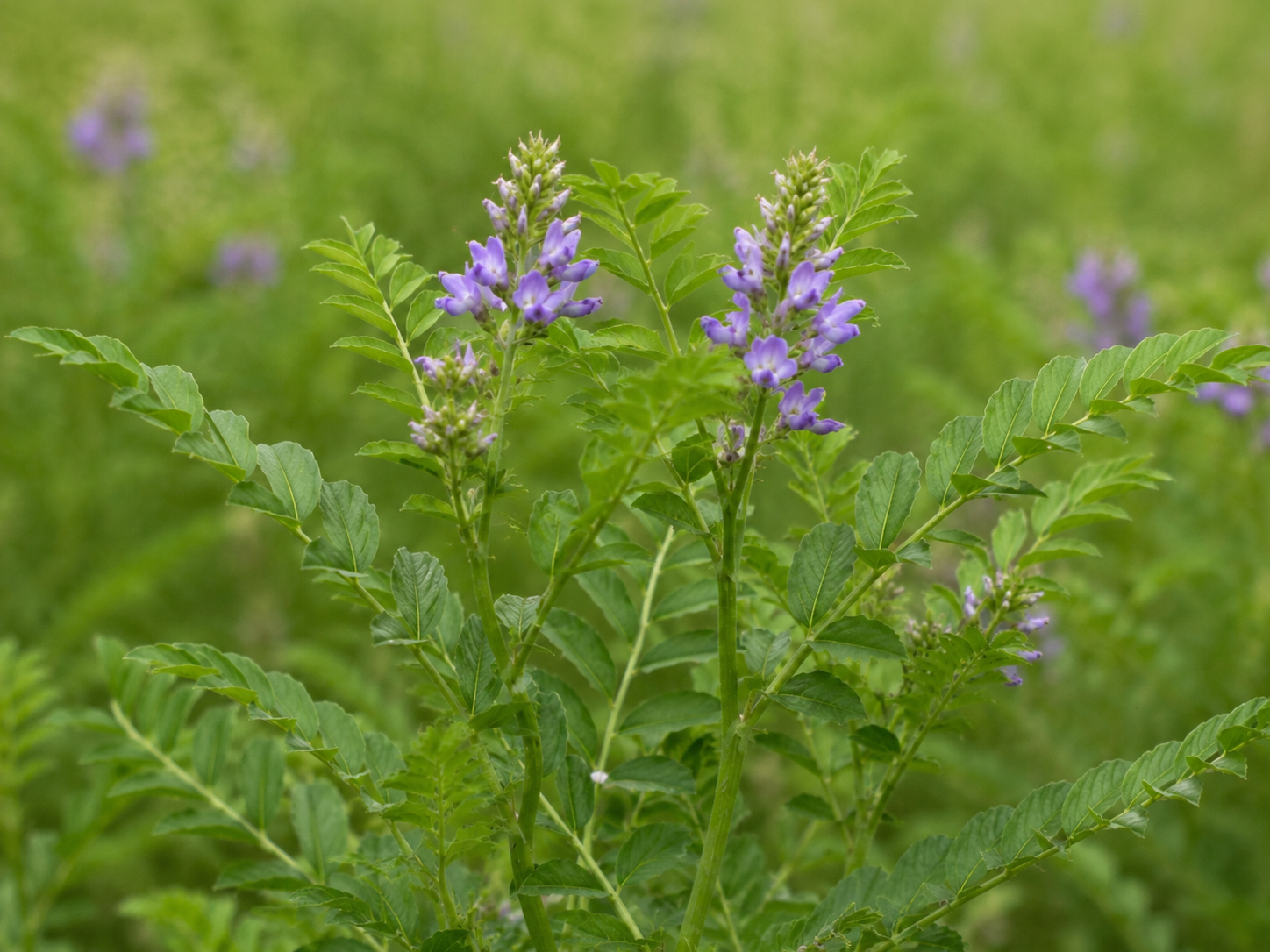
Licorice Root for Dogs and Cats: Grounded Mucosal Comfort and Glandular Support
Licorice Root for Dogs and Cats: Ingredient Profile, Uses, and Safety
Explore this LivHerbals ingredient profile for Licorice Root (Glycyrrhiza glabra). Learn about its traditional demulcent uses, pet safety facts, and research.
Understanding Licorice Root in Pet Wellness
Licorice Root (Glycyrrhiza glabra) is one of the most widely used and respected botanicals in global herbal medicine. Cultivated and valued for thousands of years across Europe, the Middle East, and Asia, this sweet, fibrous root has served as a foundational herb in both Traditional Chinese Medicine and Ayurvedic wellness systems. In modern pet herbal wellness, Licorice Root is primarily used to soothe irritated mucous membranes, support normal gastrointestinal comfort, and assist the endocrine system during periods of physical or environmental stress. Pet parents most often encounter this botanical in veterinarian-guided wellness conversations related to digestive comfort, throat comfort, respiratory support, adrenal support, and mucosal wellness.
Unlike herbs that focus on a single organ, Licorice Root offers support for both internal tissue boundaries and regulatory systems. It is highly valued for its demulcent qualities, meaning it helps create a comforting layer over irritated internal linings, from the stomach to the respiratory pathways. This matters for dogs and cats because companion animals may encounter lifestyle stressors, dietary changes, and seasonal shifts that challenge digestive health and airway comfort. Licorice Root offers a traditional way to support mucosal defenses and help maintain healthy tissue integrity.
Licorice Root is an active metabolic and endocrine botanical. Whole Licorice Root contains glycyrrhizin, a compound that can affect fluid balance, blood pressure, and potassium levels if used incorrectly or for extended periods. For this reason, modern pet wellness often uses Deglycyrrhizinated Licorice, commonly known as DGL, for longer-term digestive formulas because the glycyrrhizin has been removed. Whole Licorice Root preparations should generally be reserved for short-term situational support or used under veterinary guidance, especially in pets with heart, kidney, blood pressure, or electrolyte concerns. By understanding both its soothing qualities and its safety parameters, pet parents can make informed decisions with the supervision of their trusted veterinarian.
Ingredient Identification
-
Common name: Licorice, Licorice Root, Sweet Root
-
Botanical name: Glycyrrhiza glabra, European Licorice, and Glycyrrhiza uralensis, Chinese Licorice
-
Plant family: Fabaceae, Pea family
-
Plant part used: Dried root and stolon, or underground runners
-
Other common names: Gan Cao, Yashtimadhu, Mulaithi, sweet wood
-
Native range: Southern Europe, North Africa, and Western to Central Asia
-
Common growing regions: Temperate and subtropical agricultural zones globally, including China, India, and the Mediterranean
-
Common preparation forms: Standardized extracts, Deglycyrrhizinated Licorice (DGL) extracts, alcohol-free liquid glycerites, tinctures, and dried powders
-
Main active constituents: Triterpenoid saponins including glycyrrhizin and glycyrrhizic acid, flavonoids including liquiritin, isoliquiritin, and formononetin, polysaccharides, coumarins, and plant sterols
Associated Pet Wellness Categories
-
Digestive Health and Mucosal Comfort: Licorice Root is extensively studied for supporting normal gastrointestinal function and maintaining a comfortable stomach lining. It is often discussed when a pet needs help recovering from a temporary dietary upset or occasional acid irritation. As a demulcent, it helps coat and protect delicate mucous membranes of the stomach and intestines, supporting appetite, digestion, and stomach comfort.
-
Respiratory Tract Maintenance: This root is traditionally used to support clear, comfortable respiratory pathways and soothe localized throat irritation. When pets encounter dusty environments, boarding facilities, or seasonal pollen changes, upper respiratory linings may become dry or irritated. Licorice Root provides moistening support for the throat and airways while assisting the body's natural mucus-clearing mechanisms.
-
Endocrine and Adrenal Support: Whole Licorice Root is traditionally used as an endocrine-supportive tonic during periods of prolonged stress or physical exhaustion. It interacts with enzymes involved in stress hormone metabolism, helping support the body's natural stress response. Because this action can also affect fluid and electrolyte balance, whole root should be used carefully and with veterinary guidance.
-
Healthy Inflammatory Response Support: Licorice Root is widely used in holistic contexts to support the body's natural pathways that regulate everyday inflammation at a cellular level. Active or senior animals experiencing physical strain or tissue irritation may benefit from the root's soothing properties, which help maintain healthy tissue structures and overall comfort.
Common Pet Wellness Uses
-
Gastric Soothing and Occasional Acid Upset: Licorice Root has a long, documented history of use as a balancing botanical for the upper digestive tract. In dogs, it is used for temporary stomach upset, grass-eating behavior associated with nausea, or occasional acid irritation. For cats, it is carefully used in highly diluted glycerites or DGL forms to support gastric comfort. Research in animal models and human trials demonstrates support for mucosal lining thickness. The evidence level is considered strong for general demulcent action, though still emerging for pet-specific clinical trials.
-
Airway Mucosal Comfort and Syrups: Licorice Root is frequently used in holistic veterinary practice for pets needing support for a calm, comfortable throat, especially during dry seasons or after close contact at public facilities. The evidence is supported by traditional use and animal-based models evaluating respiratory smooth muscle behavior, which are cited in veterinary botanical texts.
-
Adrenal Reset Protocols: In holistic canine practice, whole Licorice Root extracts are sometimes used for short-term intervals to support dogs recovering from chronic stress or intense working cycles. This use should be monitored by a veterinarian because whole root can affect fluid balance, blood pressure, potassium levels, and medication response.
Best Known Herbal Actions
-
Demulcent: Demulcents are herbs rich in soothing compounds that coat, comfort, and protect irritated internal tissues. Licorice Root is traditionally used to support vulnerable mucous membranes throughout the digestive and respiratory tracts.
-
Adrenal Tonic, Trophorestorative: A trophorestorative provides targeted support to restore and tone a system over time. As an adrenal-supportive botanical, whole Licorice Root helps support healthy energy levels during periods of ongoing exhaustion by influencing stress hormone longevity.
-
Expectorant: Expectorants assist the respiratory system in thinning and clearing occasional mucus from the airways. Licorice Root helps maintain clear, normal breathing pathways by supporting productive clearance mechanisms.
-
Harmonizer: In traditional formulation practices, Licorice Root is known as a harmonizer. It helps blend and balance the actions of other botanicals within a formula, reducing potential harshness and supporting smooth absorption.
Key Constituents and Why They Matter
The primary active compounds found in Licorice Root are divided into triterpenoid saponins and flavonoids. The most prominent constituent is glycyrrhizin, also known as glycyrrhizic acid, which is responsible for much of the root's sweet taste and adrenal-supportive activity. Research indicates that glycyrrhizin resembles corticosteroid-like structures and can influence the enzyme 11-beta-hydroxysteroid dehydrogenase, slowing the breakdown of the body's natural cortisol. This is one reason whole Licorice Root may affect stress response, blood pressure, and electrolyte balance.
The flavonoids, including liquiritin and isoliquiritin, work alongside these compounds to support a normal cellular inflammatory response and protect delicate mucosal boundaries from oxidative stress. Polysaccharides within the root also support healthy immune cell patterns. This means Licorice Root works through multiple pathways to soothe the gut, comfort the airways, and support endocrine balance when used appropriately.
Western Herbalism Profile
In Western herbalism, herbs are classified by taste, energetics, and tissue affinities to guide how they interact with the body. Licorice Root is characterized by an intensely sweet, rich, and earthy taste, sometimes leaving a slippery or cooling sensation on the tongue. Energetically, Western herbalists consider Licorice Root neutral to slightly cooling in temperature and deeply moistening in nature. It has a pronounced tissue affinity for the digestive tract, respiratory system, skin, and adrenal glands.
Western herbalists have long indicated Licorice Root for internal dryness, systemic heat, tissue irritation, and metabolic exhaustion, especially when chronic stress has depleted the body's fluids and stamina. It is viewed as an herb that brings moisture to dry, irritated tissues, calms hyper-reactive systems, and supports a more balanced baseline in a tired body.
Western herbalists also maintain clear boundaries around its use. Because whole Licorice Root contains glycyrrhizin and may contribute to fluid retention, blood pressure changes, or potassium loss, it is formulated with care. Practitioners often choose Deglycyrrhizinated Licorice (DGL) when longer-term digestive or mucosal support is needed, helping provide tissue comfort while reducing glycyrrhizin-related concerns.
Traditional Chinese Medicine Profile
Licorice Root is one of the most important classical herbs in Traditional Chinese Medicine (TCM). Known traditionally as Gan Cao, which translates to "Sweet Herb," it has been used for generations as a harmonizer in formulas. It is often called "The Great Peacemaker" because it helps blend and moderate the actions of other herbs.
Through a TCM lens, Gan Cao has a sweet flavor and neutral energy when raw, known as Sheng Gan Cao, and becomes slightly warm when dry-fried with honey, known as Zhi Gan Cao. It is unique because it is said to enter all twelve primary meridians, with a principal affinity for the Spleen, Stomach, Lung, and Heart pathways. In TCM, the Spleen rules digestion and the transformation of food into vital Qi, while the Lungs govern respiration and help protect the body's exterior boundaries. Raw Gan Cao is traditionally used to tonify Spleen Qi, moisten the Lungs, clear Heat, and moderate spasms. Honey-fried Zhi Gan Cao is used more for tonifying Heart Qi and warming the middle center.
When a pet shows low energy, minor loose stools from digestive weakness, a dry throat, or localized muscular twitching, the system may be viewed as affected by "Qi Deficiency" or internal disharmony. Licorice Root's traditional role is to tonify baseline energy, replenish fluids, and smooth harsh or rapid actions in the channels. Despite these useful actions, TCM practitioners caution against unmonitored use in cases of abundant Dampness or Phlegm accumulation. Because Licorice Root is sweet and moistening, it may be inappropriate in animals prone to fluid stagnation, heavy abdominal fullness, or sluggish metabolism.
Ayurvedic Medicine Profile
Licorice Root is a cornerstone plant in the Ayurvedic pharmacopeia. Known traditionally as Yashtimadhu or Mulaithi, it is celebrated as a Rasayana, or rejuvenative tonic, that supports the nervous, digestive, and respiratory systems.
From an Ayurvedic perspective, Licorice Root is recognized for its sweet taste (rasa), cooling energy (virya), and sweet post-digestive effect (vipaka). Its qualities are considered heavy (guru) and unctuous, or oily (snigdha). Its primary doshic action is strongly pacifying to Vata and Pitta, while potentially increasing Kapha if used excessively or for long periods. Vata dosha rules movement, dryness, and the nervous system. When aggravated by aging or stress, it may appear as unpredictable digestion, anxiety, and brittle tissues. Pitta rules heat, fire, and metabolism. When elevated, it may appear as tissue redness, burning sensations, and acidic digestive discomfort. Licorice's cooling, heavy, and moistening qualities help balance these Vata and Pitta patterns by soothing digestive heat and bringing moisture to dry tissues.
Ayurvedic practitioners use Yashtimadhu to help build Ojas, the essential essence of immunity, vitality, and inner strength, and protect Prana, or life-force energy, within mucous membranes. Because Licorice Root is heavy and moistening, it should be monitored in animals with high Kapha patterns, such as fluid accumulation, heavy mucus, or slow metabolic weight gain.
Research Summary
It is important to acknowledge that double-blind, peer-reviewed clinical trials evaluating Licorice Root directly in dogs and cats are currently limited, though steadily growing. The botanical and its isolated saponins are recognized in global pharmacological manuals for supporting animal models during mucosal and endocrine challenges.
-
Animal Research: Studies in rodent and small animal models demonstrate that Licorice Root extracts and isolated glycyrrhizin support a normal inflammatory response in gastric linings, encourage production of protective stomach mucus, support tissue recovery timelines, and protect liver tissue from oxidative stress in experimental models.
-
Human Research: Randomized, placebo-controlled, double-blind clinical trials have evaluated Deglycyrrhizinated Licorice (DGL) for upper digestive discomfort, gastric comfort, and bowel stability.
-
In Vitro Research: Laboratory studies have demonstrated that glycyrrhizic acid modulates enzymes involved in the steroid hormone cascade, while Licorice flavonoids provide free radical scavenging properties that help protect delicate endothelial surfaces.
A significant gap remains in large-scale companion animal clinical trials validating exact oral pharmacokinetic parameters across breeds. Human and rodent research provides directional insight, but it does not guarantee pet efficacy or safety without veterinary guidance.
What the Research Means for Dogs
For dogs, the most relevant wellness categories for Licorice Root are stomach lining comfort, upper respiratory tract soothing, and temporary adrenal support. Large breeds, working dogs, and senior dogs may face occasional acid irritation, grass-eating behavior associated with nausea, or dry throat discomfort. The strongest support for Licorice Root's use comes from its documented demulcent action over vulnerable mucous membranes, making it relevant for digestive and airway comfort. The weakest support lies in the lack of large, multi-center canine clinical trials validating safe continuous use of whole root over many months. Due to glycyrrhizin's potential to affect sodium and potassium levels, canine electrolyte status should be considered if whole root preparations are used beyond short-term support. Licorice Root may be helpful for dogs, but veterinary oversight is important, especially when heart, kidney, blood pressure, or medication concerns are present.
What the Research Means for Cats
In cats, Licorice Root requires caution and precise use. Cats have delicate fluid balance mechanisms and may be sensitive to electrolyte shifts, meaning prolonged use of whole root preparations containing glycyrrhizin could theoretically affect sodium retention or blood pressure more quickly than in larger animals. However, cats may also need support for upper respiratory comfort and sensitive gastric events. Deglycyrrhizinated Licorice (DGL) removes the glycyrrhizin component and is often considered a more appropriate long-term digestive option when guided by a veterinarian. The naturally sweet flavor of licorice glycerites may be accepted by some cats when scaled carefully to small body weights. Evidence for its use in cats is supported primarily by holistic veterinary texts and clinical experience, making a veterinarian's guidance essential to choose the correct form.
Forms Used in Pet Wellness
-
Deglycyrrhizinated Licorice (DGL): This is often the preferred form for longer-term digestive and mucosal support in pet wellness. Because the glycyrrhizin has been removed, DGL avoids the main concerns related to fluid retention, blood pressure changes, and potassium depletion.
-
Tincture/Glycerite: Liquid extracts allow precise, drop-by-drop measuring, which matters for active herbs. Alcohol-free glycerites are often preferred for small animals because the natural sweetness of glycerin pairs well with Licorice's sweet, earthy flavor.
-
Powder/Capsule: Used to deliver whole-root benefits or full-spectrum fractions. This form may be blended into wet food. Whole root powders are generally better suited for short-term pulse use rather than continuous, permanent use.
-
Chews: Chew formats are used in pet wellness for palatability and mucosal support, often using the DGL form when longer-term support is desired.
Safety Profile
Licorice Root is a metabolic and endocrine botanical, and its general safety profile requires respect. Whole Licorice Root is associated with corticosteroid pathways, fluid dynamics, blood pressure, and electrolyte balance.
-
Dogs: Generally well-tolerated for short-term situational use or when DGL is used for longer-term support. Dogs should be monitored for signs of fluid retention if whole root preparations are used continuously.
-
Cats: Requires caution and careful form selection. DGL forms are often prioritized due to sensitive feline fluid balance and liver processing pathways.
-
Puppies, Kittens, Pregnant or Nursing Pets: Avoid entirely. There is a lack of safety data regarding developing reproductive systems, and traditional texts note concerns with whole Licorice Root during gestation.
-
Pets with Cardiovascular or Kidney Disease: Whole Licorice Root should be avoided unless specifically directed by a veterinarian. Because glycyrrhizin can cause sodium retention and potassium loss, whole root may elevate blood pressure and place strain on compromised hearts or kidneys. DGL removes this main concern, but veterinary guidance is still recommended.
-
Possible Adverse Effects: Mild gastrointestinal changes if introduced too quickly, increased thirst, fluid retention, swelling, or muscle weakness if whole root is used in excess or for too long.
-
When to Stop Use: Discontinue and consult a veterinarian if the pet shows vomiting, unexpected lethargy, swelling of the limbs, changes in breathing, weakness, or sudden refusal to eat.
Please note: Before beginning any pet supplements, herbs, or nutritional changes, consult your veterinarian first. This educational information is intended to support informed conversations with your veterinary team and should not replace professional guidance.
Contraindications
-
Pre-existing severe hypertension, congestive heart failure, or advanced organic cardiac disease, especially with whole root preparations.
-
Chronic kidney insufficiency or advanced kidney failure, especially with whole root preparations.
-
Hypokalemia, or low baseline potassium levels.
-
Pregnancy, lactation, and breeding animals.
-
Unmonitored long-term use of whole Licorice Root.
Drug and Supplement Interactions
-
Corticosteroids: Whole Licorice Root may increase the effects of prescription steroids such as prednisone or dexamethasone by slowing metabolic clearance, potentially raising the risk of steroid side effects. Veterinary supervision is important.
-
Diuretics: Whole Licorice Root should not be combined casually with potassium-depleting diuretics such as furosemide, as this may compound potassium loss and increase the risk of muscle or cardiac weakness.
-
Blood Pressure Medications: Whole Licorice Root may reduce the intended effects of antihypertensive medications due to glycyrrhizin's fluid-retaining qualities.
-
Insulin and Diabetes Medications: Licorice Root may support normal blood glucose regulation, so blood sugar baselines should be monitored if combined with prescription diabetes medications.
Dosage and Serving Context
Serving context depends heavily on species, weight, metabolic baseline, and whether the product is prepared as whole root powder, alcohol-free liquid glycerite, or deglycyrrhizinated Licorice (DGL) extract. There is no safe generic single household serving size for Licorice Root. DGL extracts have a different safety and duration profile than whole root preparations. Whole root preparations are generally recommended for short-term pulse use, such as brief periods of digestive, respiratory, or adrenal support, while DGL forms are better suited for longer-term digestive and mucosal support when appropriate. When reference ranges are used, veterinary botanical texts focus on total pet weight (mg/kg) divided daily. Licorice Root is typically given with or before a meal to support mucosal coating and stomach comfort. For the safest and most appropriate use, discuss Licorice Root with your veterinarian before giving it to your dog or cat. Your veterinarian can help evaluate your pet's health history, medications, age, heart status, kidney status, blood pressure, potassium levels, digestive needs, and wellness goals before use.
How This Ingredient Fits into BARC Formulas
At LivHerbals, ingredients like Licorice Root are approached with care, respect for traditional use, and attention to pet-specific safety considerations. When an ingredient is used in a BARC formula, it is selected for a specific wellness purpose and balanced within the larger formula rather than treated as a standalone quick fix.
Ingredient Profile Summary
-
Best known for: Soothing stomach irritation, comforting the throat, and providing gentle adrenal support.
-
Most relevant pet wellness categories: Digestive health, mucosal comfort, respiratory tract maintenance, endocrine support.
-
Most relevant herbal actions: Demulcent, adrenal tonic, expectorant, harmonizer.
-
Research strength: Strong in animal and human models. Growing in clinical pet-specific validations.
-
Main cautions: Licorice Root should be used in the appropriate form. DGL is generally preferred for longer-term digestive support, while whole root is better suited for short-term use. Whole root may affect fluid balance, blood pressure, potassium levels, and medication response. Whole root is contraindicated in pregnant pets and pets with heart, kidney, blood pressure, or potassium concerns unless specifically directed by a veterinarian. Use this herb under veterinary guidance to support your pet's safety and well-being.
Pet Parent Takeaway
Licorice Root is a traditionally revered botanical known for supporting mucosal boundaries, digestive comfort, throat comfort, and stress-related endocrine balance. When a dog or cat is navigating occasional stomach discomfort, dry seasonal throat irritation, or the need for a calmer gastrointestinal lining, Licorice Root may offer targeted support within a broader wellness plan. It works best when used in the correct form, especially DGL for longer-term digestive support, and under professional guidance. To use Licorice Root safely and appropriately, partner with your veterinarian and consider your pet's full health picture before starting any new herb or supplement.
Disclaimer: This content is for educational purposes only and is not intended to diagnose, treat, cure, or prevent any disease. Always consult your veterinarian before starting any new supplement, herb, food, or wellness routine for your pet, especially if your pet is pregnant, nursing, taking medication, has a diagnosed condition, or is under veterinary care.
References
Pet-Specific Studies and Veterinary References
-
Wynn, S. G., & Fougère, B. J. (2007). Veterinary Herbal Medicine. Mosby Elsevier.
-
Basko, I. (2004). Fresh Plant Materia Medica.
-
Silver, R. J. (2014). Veterinary Clinical Uses of Mucosal Protective Botanicals. Professional Veterinary Reference Series.
Human and Animal Studies
-
Association for the Advancement of Phytotherapy. (2003). Therapeutic review of Glycyrrhiza glabra and deglycyrrhizinated licorice extracts for gastric comfort. Alternative Medicine Review.
-
Aly, A. M., et al. (2005). Licorice and its active compound glycyrrhizin: Analysis of endocrine and 11-beta-HSD enzymatic mechanisms in animal models. Phytotherapy Research.
-
Bennett, A., et al. (1980). Deglycyrrhizinated licorice protects gastric mucosa and enhances mucus production: A randomized, controlled clinical trial. Gut.
Safety and Toxicology References
-
American Herbal Products Association (AHPA). Botanical Safety Handbook (2nd ed.).
-
European Medicines Agency (EMA). (2013). Assessment report on Glycyrrhiza glabra L. and Glycyrrhiza inflata Bat. / Glycyrrhiza uralensis Fisch., radix. Committee on Herbal Medicinal Products (HMPC).

Written by Angela Petersen
.%20Learn%20about%20its%20traditional%20demulcent%20uses,...)